11 Feb 2026 • Payal
The Future of Hydrogen Cars in India: Is it a real alternative to EVs?
Hydrogen cars are often seen as the next big clean mobility solution, but can they truly compete with electric vehicles in India? While EVs currently dominate due to growing charging infrastructure and lower running costs, hydrogen fuel cell vehicles offer advantages like faster refuelling and longer range, especially for heavy transport.
India is at an interesting crossroads when it comes to clean mobility. Electric vehicles (EVs) have been the headline-grabbers for several years — subsidies, charging-station rollouts, and a growing domestic EV market. But hydrogen fuel cell vehicles (FCVs) keep popping up in headlines, research papers, and pilot projects. People ask: could hydrogen cars ever be a realistic alternative to battery EVs in India? Will they complement EVs, replace them, or remain a niche solution for special cases?
What exactly is a hydrogen car?
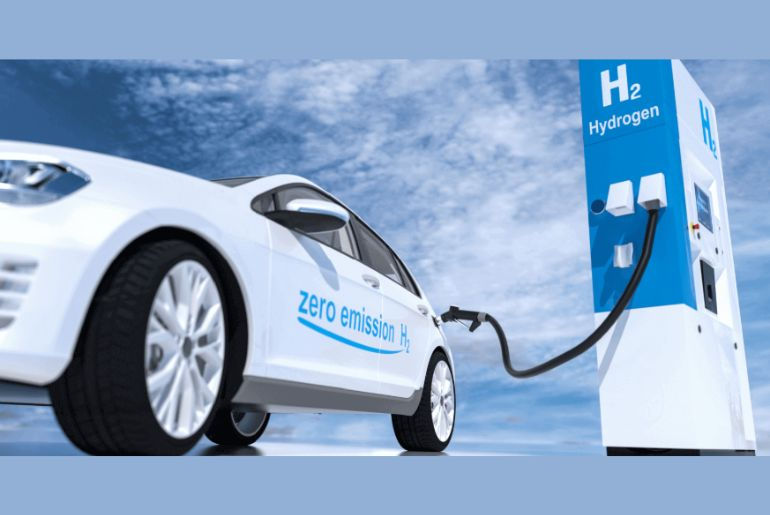
A hydrogen fuel cell vehicle converts hydrogen gas into electricity inside a fuel cell. That electricity powers an electric motor — so at the wheel it behaves like an EV (smooth acceleration, instant torque) — but the “fuel” is compressed hydrogen, and the only tailpipe emission is water vapour. This is different from battery electric vehicles that store electrical energy in batteries and recharge from the grid.
Because hydrogen cars create electricity on board rather than storing large batteries, they can offer very fast refuelling (comparable to filling petrol), and they can have lighter on-board energy storage for the same driving range. Those two advantages — quick refuelling and long range — are why hydrogen is often discussed for heavy vehicles, buses, trucks, and sometimes for cars in regions where charging infrastructure is hard to install.
India’s hydrogen plans — not a small detail
India has deliberately put hydrogen on the policy map. The Ministry of New and Renewable Energy launched the National Green Hydrogen Mission to accelerate production, infrastructure and applications for green hydrogen — hydrogen produced using renewable electricity via electrolysis. The Mission explicitly mentions supply-chain development (pipelines, tankers, storage) and use-cases that include mobility. This is a large, strategic push to create domestic hydrogen capability rather than just importing it.
Why does this matter? Because without a policy push (and production at scale) hydrogen stays expensive and rare. If India manages to scale green hydrogen production — using abundant solar and wind power — that changes the economics for hydrogen in transport and industry over the long term.
The clear strengths of hydrogen cars
There are three practical strengths that make hydrogen attractive:
- Refuelling speed — hydrogen cars can be refuelled in about the same time as petrol/diesel cars (typically a few minutes), a big convenience compared to long battery charging sessions if fast chargers are unavailable.
- Range — fuel-cell vehicles commonly offer ranges similar to petrol cars (300–600+ km), which is attractive for long-distance travel without frequent stops.
- Scaling for heavy duty — for buses, trucks and off-grid heavy machinery, hydrogen’s high energy density and rapid refuelling are real advantages over batteries (which become heavy or need long charging windows at higher capacities).
These factors explain why governments and manufacturers are seriously exploring hydrogen for public transit, logistics, and selected automotive segments. Trials and pilot projects — including demonstrations with hydrogen buses and mobility stations — are underway in India. For example, NTPC and other organisations have begun green hydrogen mobility pilots in niche locations, which shows early infrastructure and operational learning is already happening.
The realities that make hydrogen hard to scale — especially in India
If hydrogen looks appealing on paper, the catch is mostly economic and logistical. There are several big hurdles:
Production cost and carbon source. Green hydrogen — produced by electrolysers using renewable electricity — is currently expensive compared to electricity for battery charging. Estimates and modelling for India suggest delivered green hydrogen costs will fall over the 2020s and 2030s if solar and electrolyser capacities expand, but the near-term numbers remain high. A recent analysis by Indian energy researchers shows delivered costs can be high today and only decline with scale and dedicated renewable capacity.
Distribution and refuelling infrastructure. You can’t run cars on hydrogen without refuelling stations. Globally there are only a few hundred public H2 stations; most countries have invested heavily in EV charging instead. India would need to build centralised production, safe transport, storage and retail refuelling — a major investment and logistics project. Until there is a network, adoption will be limited to pilot fleets and captive-use cases.
Cost of vehicles and supply chains. Fuel cell systems use specialised components (membranes, catalysts, high-pressure tanks) that require scale to bring costs down. While some manufacturers (Hyundai, Toyota) have matured FCEV tech, unit costs and supply chains are still dominated by a few global players and can be expensive to indigenize without local manufacturing and R&D hubs. Hyundai’s and other OEMs’ collaborations with Indian institutes (for example Hyundai with IIT-Madras) are an important step towards localising hydrogen tech and reducing costs.
Well-to-wheel emissions matter. Hydrogen is only as clean as the electricity used to make it. If you make hydrogen from fossil gas (so-called grey hydrogen), you don’t get the climate benefits. India’s green hydrogen ambitions are about using renewable power (solar/wind) for electrolysis; that’s a big part of the plan—but it requires dedicated renewable capacity and investment before transport benefits can be counted as low-carbon.
Where hydrogen could make most sense in India (realistically)
Hydrogen likely won’t replace EVs across all passenger vehicles in the next decade. But there are clear niches and sectors where it could make sense earlier:
- Heavy commercial vehicles and long-haul trucking. Batteries for long-haul trucks are large and heavy; hydrogen offers lower weight penalties at long range, and quick refuelling helps logistics operations.
- Buses and public transit in specific corridors. Transit agencies that need fast turnarounds or operate long routes can benefit from hydrogen buses, especially if refuelling depots are organised effectively.
- Industrial or remote applications. Off-grid scenarios, ports, or airports where hydrogen can be produced or delivered may find it easier to deploy hydrogen vehicles.
- Fleet vehicles with centralised refuelling. Delivery or service fleets that operate from a depot with an on-site refuelling station are well-suited for hydrogen adoption early, because the distribution problem is solved centrally.
These are the same market segments where other countries are piloting FCEVs and hydrogen stations; India’s pilots (e.g., NTPC’s mobility demonstration projects and research collaborations) are exploring exactly these types of use-cases.
EVs vs Hydrogen cars — not just technology, but ecosystem
When people compare battery EVs and hydrogen cars, they typically look at three user-facing items: range, refuelling time, and running cost. EVs have a major advantage today because of the existing electricity grid and rapidly expanding charging infrastructure. Batteries have fallen in cost significantly in the last decade, and grid electricity (especially if supplemented with rooftop solar) is a comparatively cheap energy source for private cars.
Hydrogen wins on refuelling time and in some heavy-duty scenarios, but it loses on energy cost right now and needs new infrastructure. Independent studies and cost analyses of public transport show that operating hydrogen buses remains more expensive per kilometre than battery buses today, though that gap may narrow with scale and lower-cost green hydrogen.
That means the “EV or hydrogen” question is not a zero-sum game: EVs are the obvious, practical choice for most private cars in India right now, while hydrogen could be complementary—filling niches where battery solutions are less practical or where very fast refuelling and long range are essential.
Industry moves — global OEMs and India
Global automakers continue to invest in hydrogen even while centralising EV strategies. Companies like Hyundai and Toyota have ongoing FCEV programs (Hyundai has notable plans and partnerships globally for hydrogen vehicles; Toyota has long championed fuel cells and has been running Mirai trials in various regions). In India, pilot projects and research partnerships (for example Hyundai + IIT-Madras centre for hydrogen R&D) show industry interest in indigenising key technologies. Toyota’s Mirai trials in India indicate that real-world evaluation of the vehicles is moving beyond concept demos. These are important steps: they help test fuel-cell vehicles in Indian traffic and climate conditions and probe the logistics of refuelling and maintenance.
Yet manufacturers also recognise we are in a multi-pathway transition: they invest in both battery EVs and hydrogen to hedge technological and market risks. For countries like India, that hedging can become a strategic advantage — if policy and investments steer green hydrogen production sensibly.
How carjd.com and similar buyer-guides fit into the picture
If you are a buyer or a fleet manager, reliable comparison tools and trusted review sites matter. Platforms like carjd.com help consumers compare options, evaluate expected running costs, and weigh practicalities between EVs and conventional cars. For buyers curious about hydrogen, these portals can be useful to track pilot projects, manufacturer announcements, and user reviews as hydrogen cars move from demos to small commercial deployments. Good comparison sites guide buyers through real-world trade-offs — purchase price, running cost, downtime for refuelling/charging, and local service availability — which is crucial when a new technology like hydrogen is entering the market.
In short, while policymakers and industry build supply chains, consumers and fleet buyers can use such portals to follow developments and make informed trial adoption choices.
What needs to happen for hydrogen cars to become mainstream in India?
Turning hydrogen cars from pilots to mass-market options is an ecosystem problem. It requires parallel progress on multiple fronts:
- Scale up green hydrogen production — large renewable capacity dedicated to electrolysis will reduce the cost per kilogram of green hydrogen and make mobility use-cases economically viable. India’s National Green Hydrogen Mission is a strategic push in this direction, but it needs sustained investment and capacity growth.
- Build refuelling infrastructure in corridors — initial focus on highways, ports, logistics corridors and major urban routes (where trucks, buses, and fleet vehicles operate) will create the demand signals needed for wider rollout. Early public-private pilot projects are crucial here.
- Localise manufacturing and R&D — collaborations between OEMs and Indian research institutes (such as Hyundai–IIT-Madras) speed up local cost reduction, parts supply, and maintenance training. Localisation reduces dependence on imports and brings down prices.
- Supportive policy & incentives — targeted incentives for early hydrogen refuelling points, tax benefits for fleet operators adopting hydrogen, and credit support for electrolyser installations will jump-start deployments. Clear certification and safety norms also reduce investor risk.
- Clear use-case deployment strategy — prioritize segments where hydrogen has a clear advantage (buses, trucks, depot-refuelled fleets) rather than trying to deploy passenger hydrogen cars everywhere at once.
If these things align — production cost falls, stations appear on key routes, and local OEM capacity grows — hydrogen could become a meaningful complement to EVs in India over the 2030s. Recent government attention and industry partnerships are encouraging steps toward that multi-year transition.
Economics — will hydrogen ever be cheaper than electricity for cars?
Right now, battery EVs have a cost advantage for private passenger cars because electricity is widely available and battery costs have dropped dramatically. Multiple research groups modelling India’s pathways show that green hydrogen costs are likely to fall as electrolysers and renewable capacity scale, but hydrogen’s delivered cost may still be higher than electricity for passenger mobility in the medium term. For heavy vehicles and long-haul use-cases the economics are closer or even favourable, because batteries become heavy and expensive at large capacities.
In short, hydrogen’s cost competitiveness depends on where you use it. For short-range private cars plugged into home or public charging, EVs are cheaper today. For depot-refuelled fleets, long-haul trucks or buses that return to a central hub, hydrogen becomes more competitive in future scenarios as green hydrogen costs decline. CEEW and other Indian institutions have studied these levelised costs and show the path toward declining hydrogen prices with scale — but the transition requires large investments in renewable energy capacity dedicated to hydrogen production.
Safety and storage — is hydrogen safe?
Hydrogen is highly flammable in certain mixtures with air, and it behaves differently from petrol or diesel. However, that does not mean it is inherently unsafe; it just requires different engineering and safety protocols. Automotive hydrogen tanks are extremely robust (high-pressure composite tanks), refuelling stations have detection and ventilation systems, and protocols are in place to manage leaks. Countries with hydrogen pilots have built experience in safe handling. A robust regulatory and training framework is a must for India as hydrogen infrastructure grows; this is part of what policy work and pilot projects are meant to test and validate.
What should consumers and fleet managers do now?
If you’re a private car buyer: for the foreseeable future, consider battery EVs for most use-cases. They are practical, supported by growing charging infrastructure, and cheaper to run for daily driving.
If you’re a fleet manager or logistics operator: keep a close eye on hydrogen pilots. If your operation has a central depot and long routes, consider participating in pilot projects or planning for future hydrogen adoption, especially where quick turnaround and range are crucial.
If you’re a city planner or municipal authority: hydrogen buses for corridors or hydrogen-powered municipal vehicles can be piloted where depot refuelling is feasible. These pilots will tell you more about operational costs, reliability and refuelling logistics.
And for curious citizens: follow informed comparison sites such as carjd.com for practical, up-to-date comparisons and buyer guidance as hydrogen vehicles move from trials to limited commercial deployments.
The bottom line — complement, don’t replace (for now)
Hydrogen has a promising role in the clean mobility mix for India, but it is not a simple substitute for battery EVs across all categories. EVs are the pragmatic mainstream choice for private passenger cars today. Hydrogen’s advantages — fast refuelling, long range, and lighter energy storage for high-energy applications — make it attractive for heavy transport, fleets and niche public transit scenarios. India’s policy focus on green hydrogen and early industry–research collaborations are positive signals, but achieving an economically competitive hydrogen ecosystem requires major scale-up in renewable energy, electrolysers, and support infrastructure. In short: hydrogen can be an important part of India’s transport future, particularly in the segments where batteries struggle, but it is unlikely to displace EVs for most passenger-cars in the near or medium term.
Frequently Asked Questions (FAQs)
Q — What is the main difference between hydrogen cars and electric cars?
Hydrogen cars generate electricity on board using fuel cells and hydrogen gas; battery EVs store electricity in batteries and use it directly. Both power electric motors, so driving experience is similar, but the refuelling/charging infrastructure and energy chains differ.
Q — Are hydrogen cars available in India today?
There are pilot projects and limited trials (including manufacturer-led demonstrations such as Mirai trials). Large-scale commercial sales are not yet common in India; most early deployments are in buses, trucks or fleet pilots.
Q — How does the cost of hydrogen fuel compare to electricity?
Currently, hydrogen (especially green hydrogen) is costlier than grid electricity on a per-unit energy basis. Costs are expected to fall as green hydrogen production scales, but the exact timing depends on renewable capacity and electrolyser deployment. Research suggests costs should decline through the 2030s with supportive policy and scale.
Q — Will hydrogen replace EVs?
Unlikely in the near to medium term for passenger cars. Hydrogen will probably complement EVs, addressing specific segments such as heavy vehicles, buses, and depot-based fleets where hydrogen’s refuelling and range advantages are meaningful.
Q — Is hydrogen safe for vehicles?
With correct engineering, training and regulation, hydrogen systems can be safe. Hydrogen tanks and refuelling stations are designed with safety systems and protocols; the risks are managed differently but effectively in countries operating hydrogen pilots.
Q — How fast can a hydrogen car be refuelled?
Refuelling typically takes minutes, similar to petrol/diesel, which is one of hydrogen’s practical advantages over battery charging in some contexts.
Q — How can I keep track of developments and compare vehicles?
Use trusted automotive portals and buyer-guides (for example carjd.com and other comparison platforms) to follow model announcements, pilot results, and real-world owner experiences. These resources aggregate specs, running-cost models and reviews that help buyers understand trade-offs.
Q — What should policymakers prioritise to help hydrogen scale?
Policymakers should focus on scaling green hydrogen production, targeted refuelling infrastructure for corridors and depots, localisation of fuel cell manufacturing, fiscal incentives for early deployments, and supportive safety/regulatory frameworks.