09 Feb 2026 • Payal
The Rise of “Connected Cars” in 2026: Best Car Apps to Track Your Vehicle
Connected cars are transforming how we interact with our vehicles in 2026. From real-time tracking to remote control features, modern car apps offer safety, convenience, and peace of mind. Discover the best vehicle tracking apps and how to compare connected features smartly before buying.
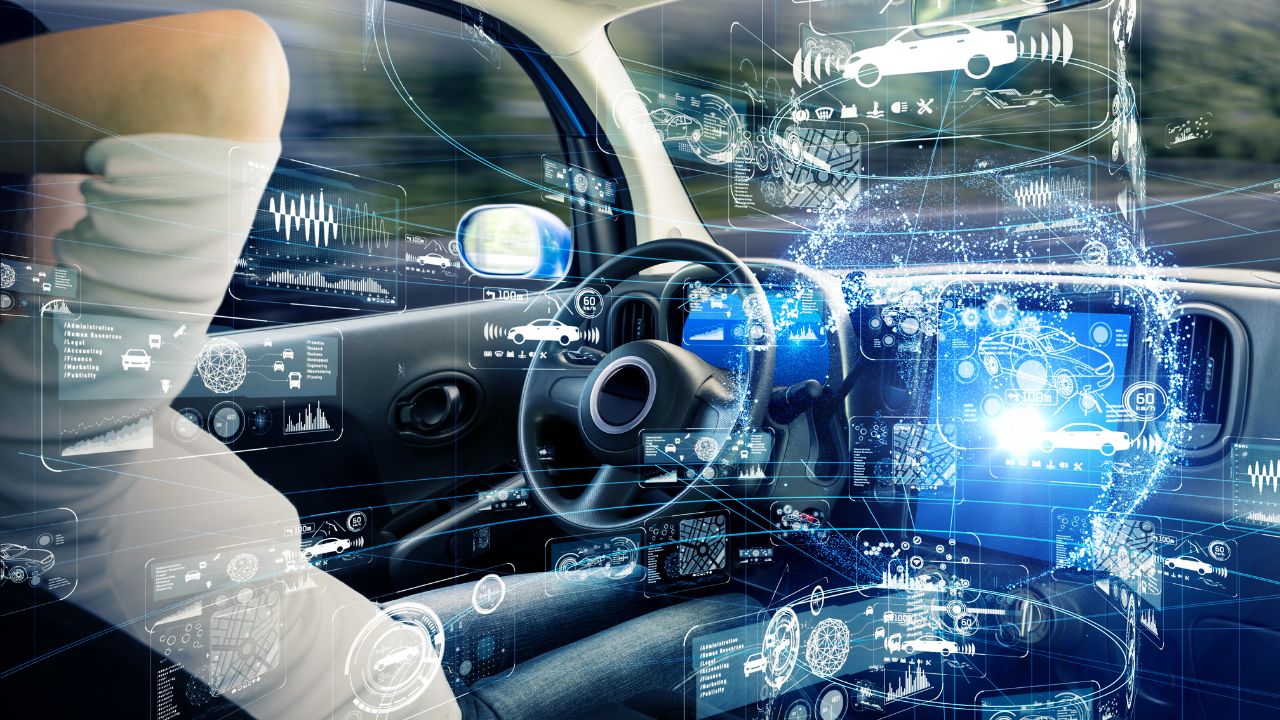
In 2026, the relationship between a driver and their car has completely changed. A car is no longer just a machine that moves you from one place to another. It has become part of your digital ecosystem — just like your smartphone, smartwatch, or smart home devices.
Today, you can sit in your office and check if your car doors are locked. You can track its exact location in real time. You can monitor how fast someone is driving it. You can even receive alerts if someone tries to tamper with it.
This transformation has led to the rapid rise of what we now call connected cars.
But what exactly does that mean? And which car apps in 2026 truly offer reliable vehicle tracking?
Let’s understand this shift clearly and practically.
What Is a Connected Car in Simple Words?
A connected car is a vehicle that has built-in internet connectivity. It communicates with cloud servers and your smartphone through an official mobile app. This connection is usually powered by an embedded SIM card inside the car.
This means your car is always online.
Because of this constant connectivity, your car can send and receive data in real time. You can open your phone and instantly see where your vehicle is parked. You can check whether the engine is running. You can view past trip history. You can even start the engine remotely in some models.
In 2026, this is no longer futuristic. It is becoming standard.
Why Vehicle Tracking Is Becoming Essential in 2026
The world has changed. Urban traffic is denser. Parking spaces are crowded. Vehicle theft still exists. Families share cars more frequently. Many people lend cars to drivers, delivery agents, or relatives.
In such situations, knowing your car’s location at any moment brings peace of mind.
Tracking apps allow you to:
- Locate your car instantly
- Set geo-fencing alerts if the car leaves a certain area
- Monitor speed and driving behavior
- Get alerts in case of sudden impact or accident
- Receive unauthorized movement notifications
This is not about spying. It is about safety and awareness.
In fact, many insurance companies now look positively at vehicles with connected tracking systems because they reduce theft risk and improve accountability.
How Connected Car Apps Work
Most connected cars in 2026 come with a manufacturer-developed app. When you buy the vehicle, you download the official app and link it to your vehicle identification number.
Once activated, the app connects to your car’s onboard communication unit. That unit continuously sends data to the cloud. Your smartphone retrieves that data instantly.
This entire process feels seamless. You don’t see the complexity. You simply open the app and see your vehicle’s status.
Best Car Apps to Track Your Vehicle in 2026
Let us now talk about the most popular connected ecosystems in 2026. Instead of listing features quickly, let’s understand how they feel and function in real-world use.
Hyundai Bluelink
Hyundai’s Bluelink platform is widely appreciated for its smooth user interface and reliability. It allows owners to track their vehicle in real time with accurate location updates.
Beyond tracking, Bluelink also allows remote engine start, climate control adjustment, and door locking or unlocking from anywhere. Parents often use it to monitor teenage drivers, while working professionals use it to pre-cool the cabin before stepping into the car during hot summer days.
In daily use, Bluelink feels polished and mature. Location accuracy is strong, and alerts are timely.
Tata iRA Connected Technology
Tata’s iRA system has grown significantly in popularity. It provides real-time vehicle tracking, trip summaries, driving behavior analysis, and remote controls.
For electric vehicle users, the system becomes even more powerful. Owners can monitor battery status, charging progress, and estimated range from their smartphone.
Urban buyers appreciate the clarity of the dashboard and driving analytics that encourage better driving habits.
Kia Connect
Kia Connect delivers a very intuitive tracking experience. It offers location tracking, emergency assistance features, remote commands, and vehicle health reports.
SUV buyers particularly enjoy how responsive the app feels. Alerts are quick, and vehicle tracking updates are consistent.
For families who share vehicles, Kia Connect adds a layer of reassurance.
Mahindra AdrenoX
Mahindra’s connected ecosystem focuses on immersive digital integration. Real-time tracking works alongside driving analytics, diagnostics, and remote features.
The platform feels futuristic and integrates well with larger infotainment displays. Many tech-oriented buyers enjoy the seamless synchronization between vehicle display and smartphone app.
MG i-Smart
MG positioned itself early as a tech-forward brand, and its i-Smart system reflects that. The app supports vehicle tracking, remote commands, voice assistance, and over-the-air software updates.
MG owners often highlight how comprehensive the system feels. It doesn’t just track; it communicates.
Third-Party Tracking Apps for Non-Connected Cars
Not every vehicle in 2026 comes factory-equipped with connectivity. For older cars or budget vehicles without built-in systems, third-party GPS tracking devices remain relevant.
These devices are installed separately and connect to mobile apps. They provide real-time location tracking, trip history, speed alerts, and geo-fencing.
While they may not integrate as deeply with vehicle electronics as factory systems, they still provide effective tracking solutions for:
- Fleet businesses
- Delivery services
- High-theft areas
- Older vehicles
However, factory-connected systems generally feel smoother and more secure because they are integrated during manufacturing.
Security and Data Privacy
With connectivity comes responsibility.
Connected car apps collect sensitive data — including location history and driving patterns. In 2026, manufacturers claim encrypted communication and secure cloud storage. However, users must protect their login credentials carefully.
Always enable two-factor authentication if available. Avoid sharing app access unnecessarily. Your vehicle location is personal data.
Connected convenience should never compromise security awareness.
The Role of carjd.com in Choosing a Connected Car
When buying a car in 2026, checking connected features is just as important as checking mileage or engine performance.
However, many buyers assume connectivity features are available across all variants. This is not always true.
Some models offer full tracking features only in higher trims. Some provide limited functionality in base variants.
This is where carjd.com becomes extremely useful. Before making a purchase, you can compare:
- Which trims offer full connected apps
- Which models provide real-time tracking
- Whether subscription fees apply
- What features are included in each variant
Instead of relying only on dealership explanations, you can analyze side-by-side comparisons on carjd.com and make an informed decision.
Subscription Costs and Long-Term Ownership
Many brands provide connected services free for the first three years. After that, subscription renewal may be required.
Before purchasing, clarify:
- How long is the service free?
- What is the renewal cost?
- Will basic tracking work after subscription expires?
Budget buyers should calculate total cost of ownership, not just initial purchase price.
Real-Life Benefits of Connected Tracking
Imagine parking at a large airport and forgetting where you parked. The app guides you directly to your car.
Imagine your car being towed or moved without your knowledge. The app sends an alert instantly.
Imagine monitoring speed limits when a family member drives your vehicle.
These are real-world advantages, not marketing promises.
Connected tracking provides peace of mind.
Limitations of Connected Car Apps
Connected systems rely heavily on network connectivity. In remote areas with poor signal, tracking updates may delay.
App performance also depends on server reliability. Not all brands deliver equally smooth experiences.
This is why researching and comparing connected features on platforms like carjd.com helps before committing to a purchase.
The Future Beyond 2026
The future of connected cars will likely include deeper integration with smart homes, insurance telematics, predictive maintenance alerts, and AI-driven driving analysis.
Cars will become increasingly data-driven devices.
Connectivity will not be optional — it will be expected.
FAQs
What is a connected car?
A connected car is a vehicle that connects to the internet and allows remote monitoring and control through a smartphone app.
Do all cars in 2026 have tracking apps?
Many mid-range and premium cars do. Budget models may offer limited or no connectivity unless upgraded.
Can I install tracking in an older vehicle?
Yes. Third-party GPS devices can provide real-time tracking for older cars.
Are connected car apps safe?
Most brands use encrypted systems, but users must protect login credentials and enable security settings.
Do connected features require subscription?
Often yes, after an initial free period. Always confirm details before purchase.
How do I compare connected features across models?
You can use platforms like carjd.com to compare model-wise connectivity features before buying.
Final Thoughts
Connected cars in 2026 represent one of the most practical automotive innovations of the decade.
Tracking your vehicle is no longer a luxury reserved for premium buyers. It is becoming mainstream and expected.
If you are planning to buy a car, do not ignore the connected ecosystem.
Compare features carefully. Check subscription details. Evaluate real-world usefulness.
'
Use carjd.com to analyze variants and connected capabilities before finalizing your choice.
Because in 2026, a smart car is not just about horsepower.
It is about staying connected.