10 Feb 2026 • Payal
India’s Scrappage Policy 2026 Update: What to Do with Your 10–15 Year Old Car?
India’s Scrappage Policy 2026 has created confusion among car owners, especially those driving 10–15 year old vehicles. Is scrapping mandatory? Can you renew registration? Should you sell before resale value drops? This detailed guide explains everything in simple terms. Learn how the 10-year diesel and 15-year petrol rules actually work, what fitness tests mean for your car, and how regional regulations impact your decision.
If you own a car that is between 10 and 15 years old, 2026 might feel like a turning point. Maybe your diesel SUV has just completed 10 years. Maybe your petrol hatchback is approaching the 15-year mark. Maybe your family car has served you faithfully for over a decade and now you are hearing different opinions from neighbors, mechanics, social media, and news channels about “scrapping rules.”
Some say your diesel car will be banned.
Some say you must scrap immediately.
Some say you can renew it easily.
The truth lies somewhere in between.
India’s vehicle scrappage ecosystem has evolved over the last few years, and by 2026, the rules are clearer but still misunderstood by many car owners. The policy is not designed to punish you for owning an older car. It is designed to ensure that vehicles on Indian roads are safe, fuel-efficient, and environmentally compliant.
In this detailed guide, we will carefully explain what the scrappage policy means in 2026, how it affects your 10–15 year old car, whether you should renew, sell, or scrap, and how platforms like carjd.com can help you make a financially smart decision.
Let’s understand this calmly and logically.
Why India Introduced the Vehicle Scrappage Policy
To understand what to do with your old car, you must first understand why the scrappage framework exists.
India has one of the largest vehicle populations in the world. Over the last two decades, vehicle ownership increased rapidly. At the same time, emission standards improved significantly. Vehicles manufactured 12 or 15 years ago were built under older emission norms and safety standards. Compared to modern BS6 vehicles, they are less fuel-efficient and emit higher pollutants.
The government’s goal was not to suddenly remove all older vehicles but to gradually phase out unfit, unsafe, and highly polluting ones. The focus is on road safety and environmental protection. Older vehicles are statistically more likely to fail emission norms and safety checks.
By 2026, the scrappage ecosystem includes automated testing stations, registered vehicle scrapping facilities, and structured incentives for voluntary scrapping.
The important word here is “voluntary.” For most private car owners outside certain restricted zones, scrapping is not automatically mandatory simply because your car crossed a certain age. Fitness testing is the key factor.
The 10-Year and 15-Year Rule: What It Really Means
One of the biggest areas of confusion is the “10-year diesel” and “15-year petrol” rule.
Let’s clarify.
In certain regions like the National Capital Region (NCR), court directives restrict diesel vehicles older than 10 years and petrol vehicles older than 15 years from operating. This is primarily due to severe air pollution concerns.
However, outside NCR, the situation is different. In most states, a private vehicle is initially registered for 15 years. After that, it must undergo a fitness test for registration renewal. If it passes, the registration can be extended for a limited period, usually five years at a time.
So if you live outside restricted zones, your car does not automatically become illegal at 10 or 15 years. It becomes subject to inspection.
Location matters more than age alone.
Before making any decision, you must verify rules with your local transport authority.
What Happens When Your Car Turns 10 Years Old?
If your diesel car reaches 10 years of age, you need to assess your regional regulations first. In NCR, diesel vehicles beyond 10 years face restrictions. In many other states, there may not be an outright ban, but stricter scrutiny may apply.
Even if not banned, older vehicles often begin to show mechanical wear. Maintenance costs may increase. Emission performance may deteriorate.
At this stage, you should start evaluating your car’s health rather than waiting until the 15-year deadline. Conduct a proper service inspection. Check emission levels. Assess fuel efficiency. Look at annual repair expenses.
This is also the ideal time to check your vehicle’s resale value. A 9-year-old car has significantly better resale demand than a 14-year-old car. Timing matters. Platforms like carjd.com help you understand real-time market trends so you can decide whether selling early makes financial sense.
Waiting too long often reduces resale value dramatically.
What Happens When Your Car Crosses 15 Years?
When a private vehicle crosses 15 years, renewal is not automatic. It must undergo a fitness test. This test examines emission levels, structural safety, braking systems, suspension, and general roadworthiness.
If your car passes the test, registration can be renewed. If it fails, you may need repairs before re-testing. If repair costs are too high, scrapping becomes the practical option.
Many owners assume that once a car turns 15 years old, it must be scrapped. That is not always true. The deciding factor is fitness.
However, even if renewal is possible, you must consider financial practicality. An old car that barely passes fitness but requires frequent repairs may not be worth retaining.
The decision must be logical, not emotional.
Renew, Sell, or Scrap: The Three Real Choices
If your car is between 10 and 15 years old, you essentially have three options. Each option requires careful evaluation.
Renew After Fitness Test
If your vehicle is well-maintained, mechanically strong, and not demanding frequent expensive repairs, renewal may be the simplest path. Insurance premiums for older cars are usually manageable. If you drive limited distances and fuel efficiency remains acceptable, renewal can be economical.
However, you must calculate long-term costs. Are annual repairs increasing? Is fuel consumption significantly higher compared to newer vehicles? Are spare parts becoming harder to find?
Renewal is sensible only if ongoing costs remain controlled.
Sell Before Depreciation Deepens
For many car owners, selling at the right time is the smartest financial move. The resale market discounts vehicles heavily after certain age thresholds. Selling at 9 or 12 years may bring significantly better value than waiting until 14 or 15 years.
Carjd.com helps owners understand demand patterns, popular models, and price trends. Instead of relying on guesswork or dealer quotes, you can make a data-backed decision.
If your car still has good market demand, selling may provide funds for upgrading without facing scrappage stress later.
Scrap and Upgrade
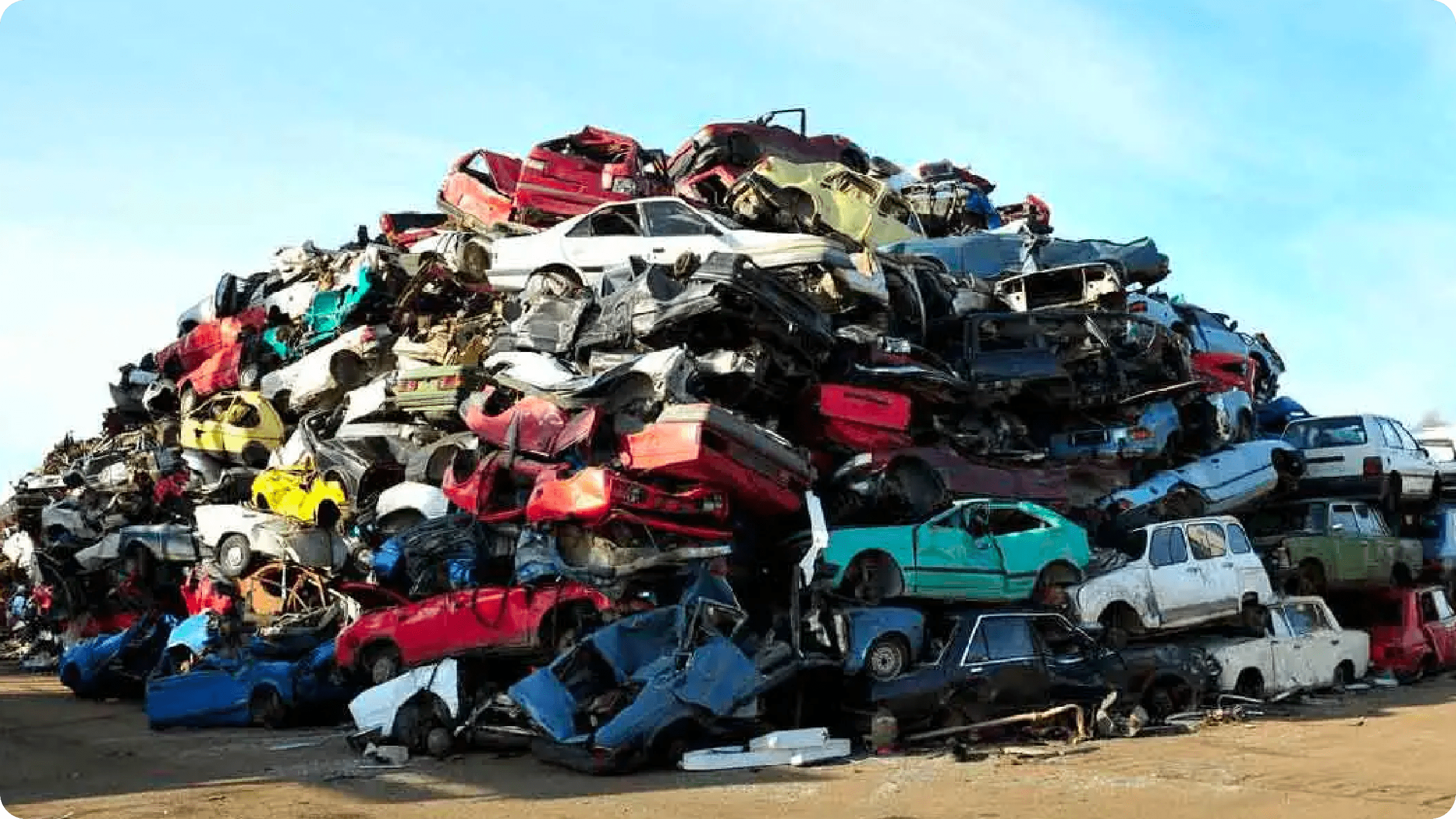
If your car is failing emission tests repeatedly, consuming excessive fuel, or demanding large repair investments, scrapping may be practical.
Registered scrapping facilities issue a Certificate of Deposit. Some manufacturers offer discounts on new vehicle purchases against this certificate. Registration fee concessions and road tax benefits may also apply depending on state policies.
Scrapping is usually the last option when resale value is low and repair costs are high.
Financial Calculation: Think Like an Investor
Many people make emotional decisions about cars. But a car is a depreciating asset. It must be evaluated logically.
Suppose your 13-year-old car requires ₹80,000 in repairs to pass fitness tests. Its resale value is ₹2.2 lakh. Its scrap value is ₹35,000.
If you repair it, you may still face future maintenance expenses. If you sell it before major repairs, you preserve resale value. If you scrap it, you lose resale potential but gain possible incentives.
The right decision depends on comparing repair cost, resale value, scrap value, and future usage needs.
Carjd.com becomes useful here because understanding market value accurately helps you calculate opportunity cost clearly.
Emotional Attachment vs Practical Reality
Cars often hold emotional memories. First job. First family road trip. First long drive with friends.
But policy decisions are not emotional. They are based on safety and environmental compliance.
Ask yourself honestly: Is this car safe for highway driving today? Does it break down often? Is it causing stress instead of comfort?
If the car has become unreliable or expensive to maintain, holding on purely for sentiment may not be practical.
Letting go at the right time is part of responsible ownership.
Environmental Perspective: Why Transition Matters
Older vehicles emit more pollutants compared to newer BS6-compliant cars. They consume more fuel and lack advanced safety features such as improved crash protection, ABS systems, and modern braking technologies.
The scrappage framework encourages cleaner mobility and reduces long-term pollution burden.
Even if you are not legally forced to scrap your vehicle, transitioning to a newer, fuel-efficient model can reduce fuel cost and environmental impact over time.
Regional Variations Cannot Be Ignored
Rules vary by state and region. NCR has stricter diesel restrictions due to severe pollution levels. Other states may allow smooth renewal after fitness tests.
Commercial vehicles follow separate and often stricter rules. Their fitness cycles are shorter and compliance checks more frequent.
Before making a final decision, verify your local RTO guidelines.
Assumptions can lead to costly mistakes.
Should You Buy a New Car in 2026?
If you decide to sell or scrap, upgrading may make sense. New cars offer better mileage, advanced safety, improved resale potential, and smoother performance.
However, buying new must be financially sustainable. Consider EMI obligations, insurance, depreciation, and long-term usage.
Selling at the right time through platforms like carjd.com helps maximize funds for upgrade without panic selling.
The Smart Way Forward in 2026
If your car is 10–15 years old, do not panic. Do not rush. Do not rely on rumors.
Instead:
Evaluate mechanical condition.
Check emission compliance.
Understand local rules.
Compare repair costs.
Check resale value.
Then decide calmly.
India’s Scrappage Policy 2026 is not about sudden bans. It is about structured evaluation and gradual modernization of the vehicle ecosystem.
A well-maintained car can continue legally after renewal. A poorly maintained car may need retirement.
The smartest decision is the one based on data, not fear.
Platforms like carjd.com help you analyze market value, demand, and selling timing. That clarity makes the difference between loss and smart transition.
Final Thoughts
Your 10–15 year old car has served you for a decade or more. Now it is time to assess its future responsibly.
Do not treat age as automatic doom. Treat it as a checkpoint.
Fitness testing, financial calculation, environmental awareness, and resale timing together determine the best path.
With proper evaluation and informed decision-making, you can handle India’s Scrappage Policy 2026 confidently.