08 Jan 2026 • Payal
The Cheapest Electric Cars in India 2026: Budget EVs Starting Under ₹10 Lakh
Electric cars are no longer expensive in India. This blog explores the cheapest electric cars in 2026 starting under ₹10 lakh, covering real-world range, charging, running costs, and how carjd.com helps buyers choose the right budget EV for everyday use.
A few years ago, buying an electric car in India felt like a luxury decision. EVs were expensive, charging stations were rare, and most people believed electric cars were only for tech enthusiasts or environmentally conscious early adopters. But as we move closer to 2026, this story has changed completely. Electric cars are no longer just a futuristic idea. They are becoming a practical, affordable, and sensible choice for everyday Indian families.
Today, one of the most common questions asked by middle-class buyers is simple and honest: Can I buy an electric car under ₹10 lakh that actually works for Indian roads, traffic, and budgets? The answer is yes—and the options are growing every year.
This blog is written in simple, human language to help you understand the cheapest electric cars available in India in 2026, especially those starting under ₹10 lakh. We will talk about real-life usability, range anxiety, charging, running costs, and long-term ownership—without technical confusion. We will also naturally connect insights from carjd.com, a platform that helps buyers compare cars, understand specs clearly, and make smarter decisions without marketing noise.
If you are a student, salaried professional, small family, or first-time car buyer thinking about EVs, this guide is for you.
Why Budget Electric Cars Are Finally Becoming Popular in India
India is at a turning point when it comes to personal transportation. Fuel prices remain unpredictable, city pollution levels are rising, and maintenance costs of petrol and diesel cars continue to increase. At the same time, the government is pushing for cleaner mobility through subsidies, tax benefits, and charging infrastructure development.
Electric cars make sense for India because most daily driving happens within cities, where distances are short and traffic is heavy. EVs perform extremely well in such conditions because they don’t waste energy idling in traffic. Charging an EV overnight at home costs much less than filling a fuel tank every week.
Until recently, the biggest problem was price. Electric cars were expensive, and budget buyers had limited options. By 2026, this gap has narrowed significantly. Battery costs have reduced, local manufacturing has improved, and companies now understand that India needs affordable EVs, not luxury ones.
This is exactly why the sub-₹10 lakh EV segment is the most exciting space in the Indian auto market right now.
What “Cheap” Really Means for Electric Cars
When we say “cheap” or “budget” electric cars, we are not talking about poor quality or unsafe vehicles. We are talking about value for money. A budget EV should:
Feel affordable to buy
Cost very little to run
Be reliable for daily use
Have enough range for city and short highway trips
Offer basic safety and comfort
Electric cars remove several costs that petrol cars carry. There is no engine oil, no clutch, no gearbox, and far fewer moving parts. This means maintenance is simpler and cheaper. Over five years, many EV owners spend much less compared to petrol or diesel cars.
Platforms like carjd.com help buyers understand this long-term value by showing real ownership costs, not just showroom prices. This is important because a car that looks expensive upfront may actually be cheaper over time when fuel and maintenance are considered.
Tata Tiago EV: India’s True Entry-Level Electric Car
When Tata launched the Tiago EV, it changed the EV conversation in India. For the first time, a well-known Indian brand offered a proper electric car at a genuinely affordable price. By 2026, the Tiago EV continues to be one of the cheapest and most sensible electric cars in the country.
The Tiago EV is designed for city life. It is compact, easy to drive, and simple to park. For small families or daily office commuters, it fits naturally into Indian urban routines. The range is more than enough for daily travel, and home charging makes ownership extremely convenient.
What makes the Tiago EV special is not just the price. It feels like a normal car, not an experiment. Tata’s focus on safety and build quality gives buyers confidence, especially first-time EV users.
carjd.com often highlights the Tiago EV as a strong “starter EV” because it balances price, brand trust, and practicality without unnecessary features.
Tata Punch EV: Affordable Electric SUV Feel
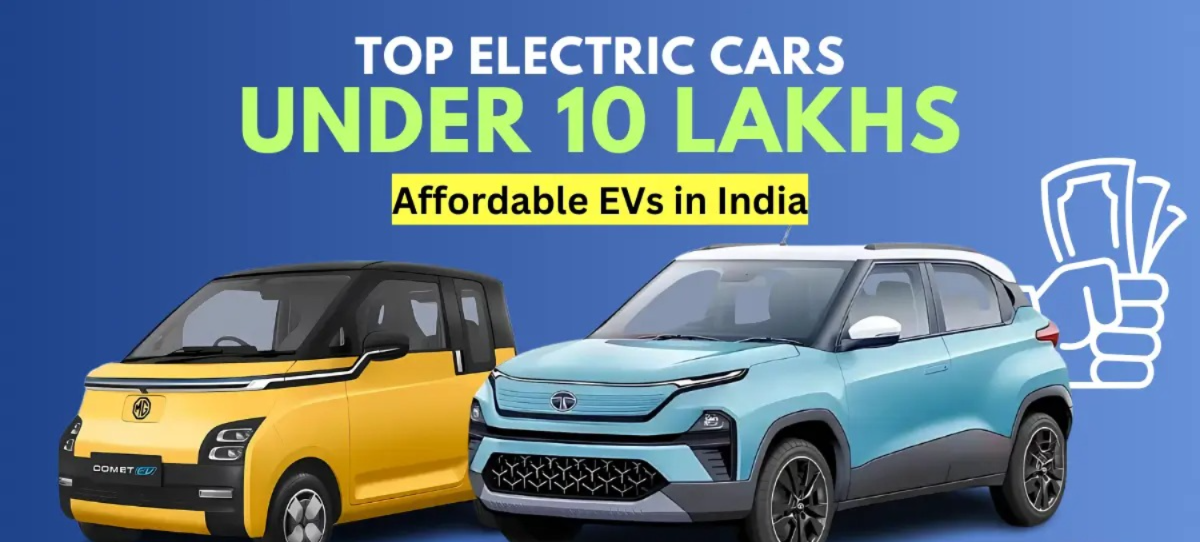
Many Indian buyers want SUVs, even when buying budget cars. The Tata Punch EV fills this emotional gap perfectly. It brings the upright stance, high seating position, and road presence of an SUV, while still remaining affordable.
The Punch EV is ideal for families who want a slightly tougher-looking car that can handle bad roads, speed breakers, and occasional highway trips. It feels more confident than smaller hatchbacks, especially for new drivers.
By 2026, improved battery options and charging support have made the Punch EV a strong contender under the ₹10 lakh category. Its interior space, boot practicality, and driving comfort make it suitable for both city and semi-urban buyers.
carjd.com comparisons often show how the Punch EV offers SUV-like confidence at a hatchback price, which explains its growing popularity among young families.
MG Comet EV: The Urban Electric Bubble
The MG Comet EV is not for everyone, and it doesn’t try to be. It is designed specifically for short-distance urban mobility. In crowded cities where parking space is limited and traffic is constant, the Comet EV shines.
This car is extremely compact, making it easy to maneuver through tight lanes and park in small spaces. For solo commuters, students, or households that already own a larger car, the Comet EV works beautifully as a second vehicle.
The biggest advantage of the MG Comet EV is its low running cost and futuristic feel. It feels like a city gadget rather than a traditional car. For many young buyers, this is exactly the appeal.
carjd.com clearly explains that the Comet EV is not about long highway trips but about stress-free daily commuting—and buyers who understand this love it.
Citroën eC3: Comfort-Focused Budget EV
Citroën entered the Indian market with a strong focus on ride comfort, and the eC3 carries that philosophy into the electric space. It is one of the more spacious budget EVs, especially in terms of cabin comfort and suspension quality.
For Indian roads filled with potholes and uneven surfaces, ride comfort matters more than flashy screens. The eC3 handles rough roads gently, making daily travel less tiring.
By 2026, Citroën has improved its service network and support, making the eC3 a more confident choice than it was during its initial launch phase.
carjd.com often points out that buyers who value comfort over brand image tend to prefer the eC3 after test drives.
Upcoming Budget EVs Under ₹10 Lakh by 2026
The Indian EV market is evolving rapidly, and several manufacturers are preparing affordable electric cars to capture budget buyers. Maruti Suzuki, Hyundai, and even smaller startups are working on compact EVs aimed at first-time buyers.
These upcoming models focus on:
Local battery production
Simple designs
City-focused range
Aggressive pricing
By 2026, competition in this segment is expected to increase, which will benefit buyers with better features and lower prices.
carjd.com tracks upcoming launches and expected pricing, helping buyers plan purchases instead of rushing into decisions.
Real-World Range vs Advertised Range
One of the biggest fears new EV buyers have is range anxiety. Advertised numbers often look impressive, but real-world driving is different. Traffic, air conditioning, driving style, and road conditions affect range.
The good news is that budget EVs are designed primarily for city use, where real-world range remains practical. Most daily commutes in Indian cities are well within EV capabilities.
carjd.com simplifies this by explaining expected real-world range, not just company claims, which helps buyers set realistic expectations.
Charging: Home, Office, and Public Options
Charging is often misunderstood. Most budget EV owners charge at home overnight using a regular power connection. This is convenient, cheap, and safe.
Public charging infrastructure has improved significantly by 2026, especially in metro cities, malls, offices, and highways. While fast charging is useful, most budget EVs don’t rely on it daily.
carjd.com guides explain charging clearly, helping buyers understand costs, time, and safety without technical confusion.
Running Cost Comparison: EV vs Petrol Car
This is where electric cars truly win. Charging an EV costs much less than buying petrol or diesel. Over a year, the savings can be significant, especially for daily commuters.
Maintenance costs are also lower because EVs have fewer mechanical parts. There is no engine oil, no clutch replacement, and fewer wear-and-tear components.
carjd.com ownership calculators help buyers compare five-year costs, making the EV advantage very clear.
Who Should Buy a Budget Electric Car in 2026
Budget EVs are ideal for:
City commuters
Small families
First-time car buyers
Households with predictable daily travel
People who want low running costs
They may not suit people who regularly drive very long highway distances without planning, but for most urban Indians, EVs fit naturally into daily life.
How carjd.com Helps Buyers Choose the Right EV
carjd.com focuses on clarity. Instead of confusing buyers with too many technical terms, it explains cars in practical language. It compares models honestly, highlights real pros and cons, and helps users match cars to lifestyles.
For EV buyers, this is especially useful because electric mobility is still new for many Indians.
Frequently Asked Questions (FAQs)
Many people ask whether electric cars are safe in India. Modern EVs go through strict safety testing and are designed to handle Indian conditions. Battery safety has improved significantly.
Another common question is about battery life. Most manufacturers offer long warranties, and batteries are designed to last many years with minimal performance loss.
People also worry about resale value. As EV adoption increases, resale confidence is improving, especially for trusted brands.
Charging during power cuts is another concern. Since EVs are charged overnight, most users manage without issues, and backup power options are increasing.
Final Thoughts: The EV Revolution Is No Longer Expensive
Electric cars are no longer a luxury dream. By 2026, they are a realistic choice for budget-conscious Indian buyers. With options starting under ₹10 lakh, low running costs, and improving infrastructure, EVs make more sense than ever.
The key is understanding your needs and choosing wisely. Platforms like carjd.com make this easier by offering clear, honest, and user-friendly guidance.