05 Mar 2026 • Payal
The Psychology of Car Colors: What Your Car Color Says About You
The color of your car can reveal more about your personality than you might think. From bold red cars that show confidence to calm blue vehicles that reflect reliability, every color tells a story. This blog explores the psychology behind car colors and what they say about drivers. Discover how color choices influence perception and learn more about car trends and insights on carjd.com.
Cars are more than just a way to travel from one place to another. For many people, a car represents personality, lifestyle, and even emotions. One of the most noticeable aspects of a car is its color. When someone buys a car, choosing the color is often one of the most exciting decisions in the entire process. Some people prefer bold and bright colors that stand out on the road, while others choose simple and classic shades that look elegant and timeless.
But have you ever wondered why people are attracted to certain car colors? The answer often lies in psychology. Color psychology suggests that the colors people choose can reflect their personality, mood, and lifestyle preferences. The color of a car can reveal subtle clues about the driver’s behavior, attitude, and personal style.
In the world of automobiles, car colors are not chosen randomly. Manufacturers carefully study consumer preferences and trends before offering color options. Drivers also tend to associate certain colors with specific emotions or qualities such as power, elegance, safety, or creativity.
Automotive platforms like carjd.com frequently explore topics like car design, trends, and driver preferences, helping car enthusiasts understand how their choices reflect their personalities. In this blog, we will explore the psychology behind car colors and what your car color might say about you.
Why Car Colors Matter More Than We Think
When people think about buying a car, they usually focus on factors such as price, mileage, engine performance, and safety features. However, color is often one of the final decisions that leaves a lasting impression.
A car’s color influences how it is perceived by others. For example, a bright red sports car immediately gives a different impression compared to a calm and elegant silver sedan. Even if two cars have the same model and design, the color alone can change how people view the driver.
Car colors can also affect emotional responses. Certain colors evoke feelings of excitement, confidence, calmness, or sophistication. These emotional connections are one reason why drivers feel attached to their vehicles.
Experts often discuss these psychological connections on automotive platforms like carjd.com, where drivers learn how personal choices like color can shape the identity of their vehicle.
The Personality Behind Black Cars
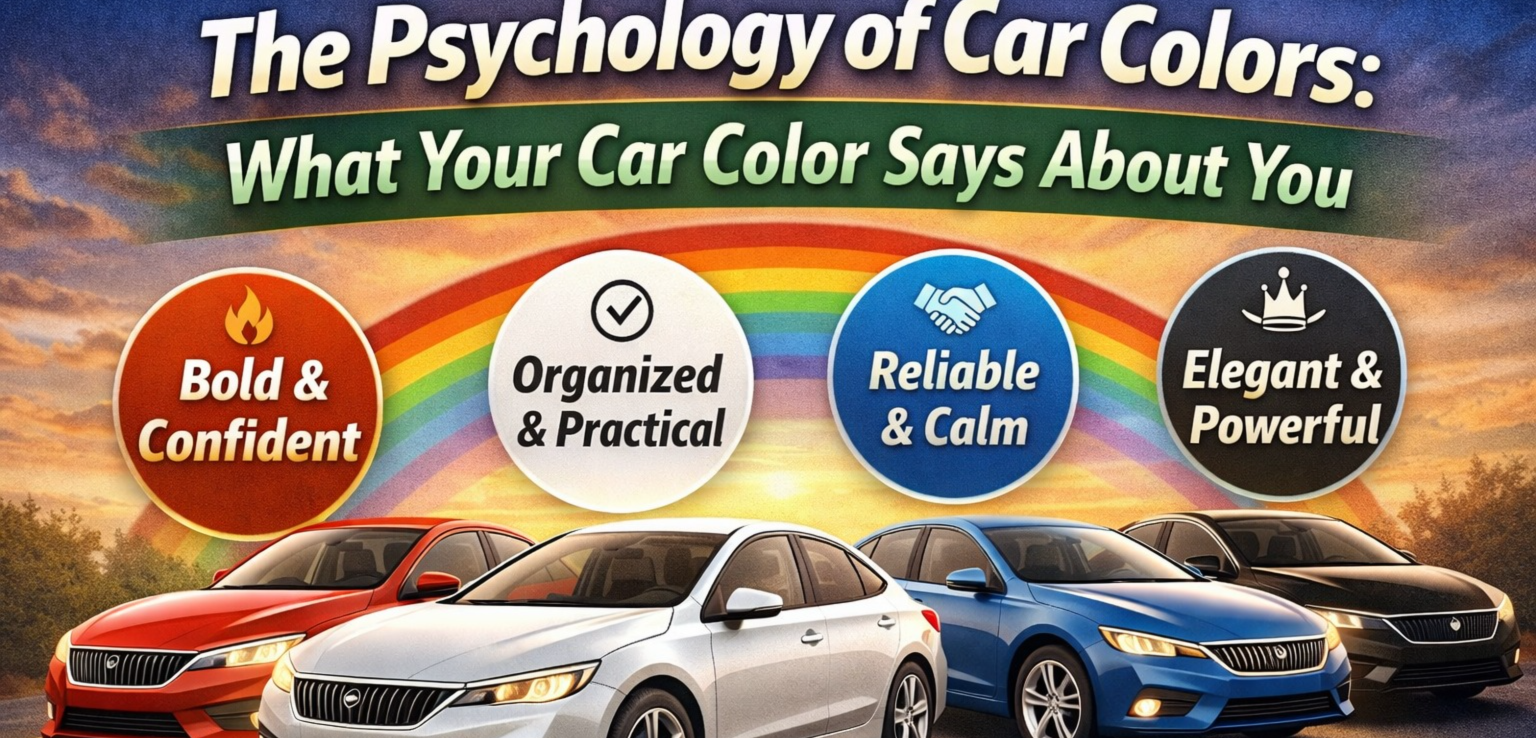
Black is one of the most popular car colors in the world. Many luxury cars are available in black because the color is strongly associated with elegance, power, and authority.
Drivers who choose black cars are often seen as confident, sophisticated, and professional. Black gives a sense of prestige and seriousness, which is why it is commonly chosen for executive vehicles and luxury sedans.
People who prefer black cars often value classic style and timeless design. They tend to prefer understated elegance rather than flashy attention.
However, black cars also require more maintenance because dust and scratches are more visible on darker surfaces. Drivers who choose black vehicles usually care about maintaining a polished and refined appearance.
What White Cars Reveal About Drivers
White is another extremely popular car color across the world. Many people choose white cars because they appear clean, modern, and simple.
Drivers who choose white cars are often seen as organized, practical, and detail-oriented. White represents clarity, simplicity, and a fresh perspective.
White cars are also popular because they reflect sunlight better than darker colors, which helps keep the vehicle cooler in hot climates.
In recent years, white has become especially popular in modern car designs. Automotive discussions on carjd.com often highlight how white cars symbolize modern style and technological advancement.
The Energy of Red Cars
Red is one of the most eye-catching car colors on the road. It is often associated with passion, excitement, and confidence.
Drivers who choose red cars are often perceived as energetic and bold. They enjoy standing out and making a strong impression.
Red is a color that attracts attention quickly, which is why it is commonly used for sports cars and performance vehicles.
Some studies suggest that drivers of red cars are seen as adventurous and enthusiastic individuals who enjoy excitement and fast-paced lifestyles.
However, red cars may also attract more attention from traffic authorities simply because they are easier to notice on the road.
The Calm Personality of Blue Cars
Blue is a color that represents calmness, trust, and reliability. Many drivers choose blue cars because the color feels balanced and comfortable.
Drivers who choose blue vehicles are often viewed as responsible and dependable. They may prefer a calm and steady driving experience rather than aggressive driving styles.
Blue is also associated with intelligence and professionalism, which makes it a popular choice for both personal and business vehicles.
Different shades of blue can also reflect different personalities. Dark blue cars often appear more formal and elegant, while lighter shades of blue feel relaxed and friendly.
Silver and Grey: The Colors of Modern Sophistication
Silver and grey are often associated with technology, modernity, and practicality. These colors are extremely popular among drivers who prefer a sleek and professional look.
Drivers who choose silver or grey cars are often seen as logical and balanced individuals. These colors do not draw too much attention but still appear stylish and refined.
Silver is also associated with innovation and advanced technology, which is why many modern vehicles are designed with metallic silver finishes.
Automotive trends discussed on carjd.com frequently show that silver and grey remain among the most popular car colors worldwide because of their timeless appeal.
The Unique Personality of Yellow Cars
Yellow cars are relatively rare on the road, but they immediately attract attention. Yellow represents optimism, creativity, and positivity.
Drivers who choose yellow cars often have vibrant personalities. They enjoy standing out and expressing individuality.
Yellow cars are also associated with energy and fun, which is why they are sometimes chosen for sports cars or city vehicles.
People who drive yellow cars are often seen as adventurous and open-minded individuals who enjoy unique experiences.
Green Cars and Environmental Awareness
Green is a color strongly connected with nature and environmental consciousness. Drivers who choose green cars may value sustainability and eco-friendly lifestyles.
Green also represents balance and harmony. Many drivers who prefer green vehicles enjoy peaceful environments and natural surroundings.
In recent years, green has become increasingly popular among drivers who support environmentally friendly transportation options.
How Car Colors Influence Resale Value
Car color not only reflects personality but can also influence resale value. Neutral colors such as white, black, silver, and grey often have higher resale value because they appeal to a wider audience.
Bright colors like yellow or orange may attract specific buyers but may not appeal to everyone.
When choosing a car color, drivers often balance personal preference with long-term resale considerations.
Automotive platforms like carjd.com frequently discuss how color choices can impact resale value and market demand.
Cultural Differences in Car Color Preferences
Car color preferences can vary widely across different countries and cultures. In some regions, white cars are considered elegant and modern, while in others, darker colors are preferred for their formal appearance.
Climate also plays a role in color choices. In hotter climates, lighter colors are popular because they reflect sunlight and keep the car cooler.
Manufacturers often adjust color options depending on regional preferences and trends.
Choosing the Right Car Color for Yourself
Selecting the right car color is both a practical and emotional decision. Drivers should consider their personality, lifestyle, and driving environment when choosing a color.
Some drivers prefer colors that reflect their personal style, while others prioritize practicality and resale value.
Understanding the psychology behind colors can help drivers make a choice that feels both satisfying and meaningful.
Resources like carjd.com help drivers explore these factors and make informed decisions when choosing a car.
Frequently Asked Questions (FAQs)
Does car color really reflect personality?
Yes, car color can sometimes reflect personality traits because people often choose colors that match their emotions, preferences, and lifestyle.
Which car color is the most popular?
White, black, silver, and grey are among the most popular car colors worldwide because they are versatile and widely appealing.
Do bright car colors attract more attention?
Yes, colors like red, yellow, and orange are more noticeable on the road and often attract more attention.
Which car color has the best resale value?
Neutral colors such as white, black, silver, and grey usually have better resale value because they appeal to more buyers.
Where can I learn more about cars and automotive trends?
You can explore automotive insights, car tips, and industry trends on carjd.com, a platform dedicated to helping drivers understand vehicles and driving culture.