05 Mar 2026 • Payal
How to Drive a Car Smoothly and Save Fuel
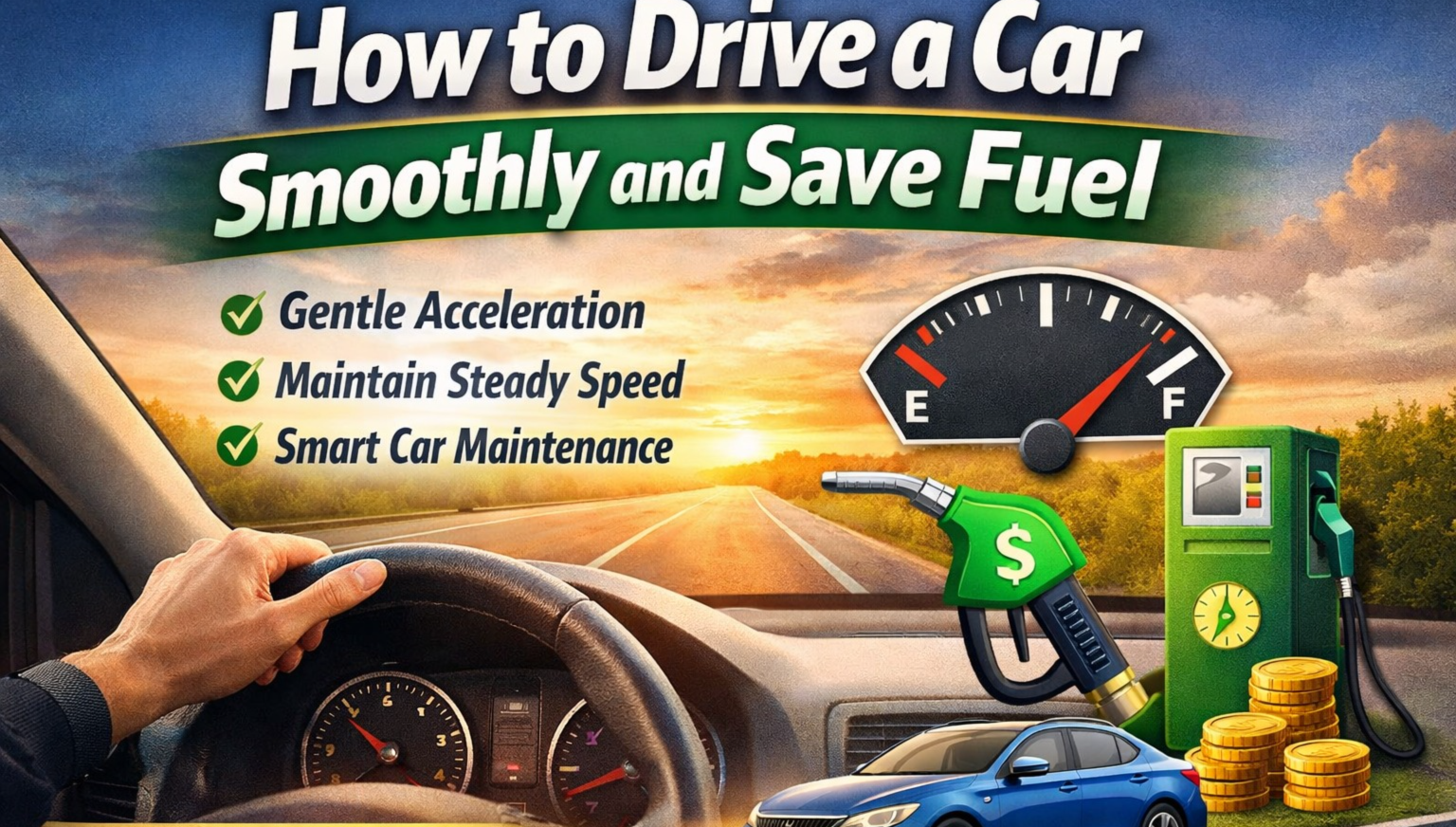
Learning how to drive a car smoothly and save fuel can help reduce fuel costs, protect your vehicle, and make every journey more comfortable. This blog explains simple driving habits such as gentle acceleration, maintaining steady speed, and proper car maintenance. You will also discover practical tips from carjd.com that help drivers improve fuel efficiency and enjoy a safer, more economical driving experience.
Driving a car is a part of everyday life for millions of people around the world. Whether you drive daily to work, take your children to school, or enjoy long road trips, the way you drive has a huge impact on your fuel consumption, vehicle performance, and driving comfort. Many drivers focus only on reaching their destination quickly, but experienced drivers know that smooth driving not only saves fuel but also protects the car and reduces stress while driving.
Fuel prices have been increasing in many countries, and car owners are constantly looking for ways to reduce fuel expenses. The good news is that saving fuel does not always require expensive car modifications or advanced technology. Sometimes, small changes in driving habits can significantly improve fuel efficiency.
Learning how to drive smoothly helps you save money on fuel, reduce wear and tear on your vehicle, and make every journey more comfortable. On platforms like carjd.com, drivers can find useful information about cars, driving tips, and vehicle maintenance that help improve the overall driving experience.
In this detailed guide, we will explore practical ways to drive smoothly, improve fuel efficiency, and become a more responsible driver.
Understanding the Connection Between Driving Style and Fuel Consumption
Many drivers do not realize that their driving behavior directly affects how much fuel their car consumes. Aggressive driving habits such as sudden acceleration, hard braking, and speeding force the engine to work harder, which leads to higher fuel consumption.
Smooth driving, on the other hand, allows the car to operate more efficiently. When drivers maintain steady speeds and accelerate gradually, the engine runs at a stable pace and uses less fuel.
Imagine driving in heavy traffic and repeatedly accelerating and braking. This constant change in speed forces the engine to burn more fuel than necessary. By maintaining a steady speed and anticipating traffic conditions, drivers can significantly reduce fuel usage.
Experienced drivers often recommend learning smooth driving techniques early. Automotive resources such as carjd.com regularly share insights on how driving habits influence vehicle performance and fuel economy.
Why Smooth Driving Is Important for Every Car Owner
Smooth driving is not only about saving fuel. It also plays an important role in improving the overall driving experience.
When a driver adopts smooth driving techniques, passengers feel more comfortable because the car moves steadily without sudden jerks or stops. This is especially important during long journeys where comfort becomes a priority.
Smooth driving also helps protect the vehicle’s mechanical components. Sudden acceleration and hard braking place additional stress on the engine, brakes, and transmission system. Over time, this can lead to faster wear and expensive repairs.
Drivers who practice smooth driving often notice that their cars last longer and require fewer repairs. This makes smooth driving not only a fuel-saving strategy but also a smart way to maintain your vehicle.
Maintaining a Steady Speed
One of the most effective ways to save fuel is maintaining a consistent speed while driving. Constant changes in speed force the engine to consume more fuel.
When driving on highways or open roads, it is best to keep the car at a stable speed rather than frequently accelerating and slowing down. This helps the engine operate efficiently.
Modern cars often include features such as cruise control, which automatically maintains a steady speed. Using cruise control on highways can help drivers avoid unnecessary acceleration and save fuel.
Drivers who want to improve their driving habits can find more practical advice on carjd.com, where automotive experts regularly discuss fuel-efficient driving techniques.
Accelerate Gently Instead of Quickly
Rapid acceleration is one of the biggest causes of excessive fuel consumption. Many drivers press the accelerator pedal aggressively when traffic lights turn green or when overtaking another vehicle.
However, accelerating gently allows the engine to increase speed gradually, which uses less fuel.
When starting the car from a complete stop, try pressing the accelerator smoothly and allow the car to gain speed naturally. This technique reduces fuel usage and also prevents unnecessary stress on the engine.
Gentle acceleration is especially useful in city traffic where frequent stops and starts are common.
Anticipate Traffic Conditions
Another important technique for smooth driving is anticipating what will happen on the road ahead. Skilled drivers constantly observe traffic conditions and adjust their speed accordingly.
For example, if you notice a red traffic light in the distance, you can gradually reduce your speed instead of braking suddenly at the last moment.
By anticipating traffic movements, drivers can avoid sudden braking and acceleration, which helps save fuel and improves overall safety.
Learning to read traffic patterns takes practice, but it becomes easier over time.
Avoid Excessive Idling
Many drivers leave their engines running while waiting for passengers or during long stops. This habit, known as idling, wastes fuel unnecessarily.
If you expect to stop for more than a minute, it is often better to turn off the engine.
Modern cars are designed to restart quickly, and turning off the engine during long stops can significantly reduce fuel consumption.
Reducing idling not only saves fuel but also lowers harmful emissions.
Keep Your Car Properly Maintained
Vehicle maintenance plays a major role in fuel efficiency. Even if you drive smoothly, a poorly maintained car may consume more fuel than necessary.
Regular servicing ensures that the engine operates efficiently and that all components function properly.
Some important maintenance tasks include checking engine oil, replacing air filters, and inspecting spark plugs.
Car maintenance guides on carjd.com often highlight how proper servicing can improve fuel economy and extend the lifespan of a vehicle.
Maintain Proper Tire Pressure
Many drivers overlook the importance of tire pressure, but it has a direct impact on fuel consumption.
When tires are underinflated, they create more resistance on the road. This means the engine has to work harder to move the car, which increases fuel usage.
Checking tire pressure regularly and maintaining the recommended level helps improve fuel efficiency and driving safety.
Reduce Unnecessary Weight in the Car
Carrying excessive weight in your vehicle can also increase fuel consumption.
For example, storing heavy items in the trunk for long periods forces the engine to work harder. Removing unnecessary items from the car can improve fuel efficiency.
Even small reductions in vehicle weight can make a noticeable difference over time.
Use Air Conditioning Wisely
Air conditioning systems consume additional energy from the engine, which increases fuel consumption.
While air conditioning is essential during hot weather, drivers should use it wisely.
At lower speeds, opening the windows can be a more fuel-efficient option. On highways, however, using air conditioning may be better because open windows can increase air resistance.
Balancing comfort and fuel efficiency helps drivers make smarter decisions while driving.
Plan Your Routes in Advance
Planning your journey before leaving home can also help save fuel.
Traffic congestion, road construction, and frequent stops can increase fuel consumption. Using navigation apps to find the most efficient routes helps reduce travel time and fuel usage.
Drivers who plan their routes carefully often experience smoother journeys and lower fuel costs.
Automotive resources such as carjd.com often provide helpful advice on route planning and fuel-saving travel strategies.
The Long-Term Benefits of Fuel-Efficient Driving
Adopting smooth driving habits may seem like a small change, but it can have significant long-term benefits.
Drivers who focus on fuel efficiency often notice that they spend less money on fuel and maintenance. Their vehicles also remain in better condition for longer periods.
Fuel-efficient driving also contributes to environmental protection by reducing carbon emissions.
When millions of drivers adopt better driving habits, the positive impact on the environment becomes substantial.
Frequently Asked Questions (FAQs)
What is smooth driving?
Smooth driving refers to maintaining steady speeds, accelerating gradually, and avoiding sudden braking to improve comfort and fuel efficiency.
Can smooth driving really save fuel?
Yes, smooth driving reduces unnecessary engine workload and helps improve fuel efficiency.
Does aggressive driving increase fuel consumption?
Yes, rapid acceleration, speeding, and sudden braking can significantly increase fuel consumption.
How often should I check my tire pressure?
It is recommended to check tire pressure at least once a month to ensure optimal fuel efficiency and safety.
Where can I find more car tips and driving advice?
You can find useful automotive tips, maintenance guides, and driving advice on carjd.com, a platform dedicated to helping drivers make better decisions about their vehicles.