27 Dec 2025 • Payal
Sunroof Craze in India: Feature or Just a Trend?
Sunroofs have gone from premium extras to a mainstream desire. This blog explains why Indians love sunroofs, whether they add real value, what to watch for (safety, maintenance, resale), and how the market and manufacturers are responding.
1. The sunroof story — how a luxury trim turned everyday desire
Not long ago a sunroof felt like a luxury — something only top trims of SUVs or expensive sedans had. Today, sunroofs appear on many mid-segment cars and even some hatchbacks. Manufacturers noticed buyers signaling “I want more comfort and a premium feel,” so they started offering sunroof options on more trims and models. The result: what was once an aspirational add-on has become a common checklist item for many Indian buyers.
This shift is visible in numbers and press coverage: some makers report huge volumes of sunroof-equipped cars sold, and many popular models now advertise the sunroof as a headline feature.
2. Why Indians love sunroofs — the emotional and practical reasons
Here are the main reasons sunroofs became so popular in India, explained plainly.
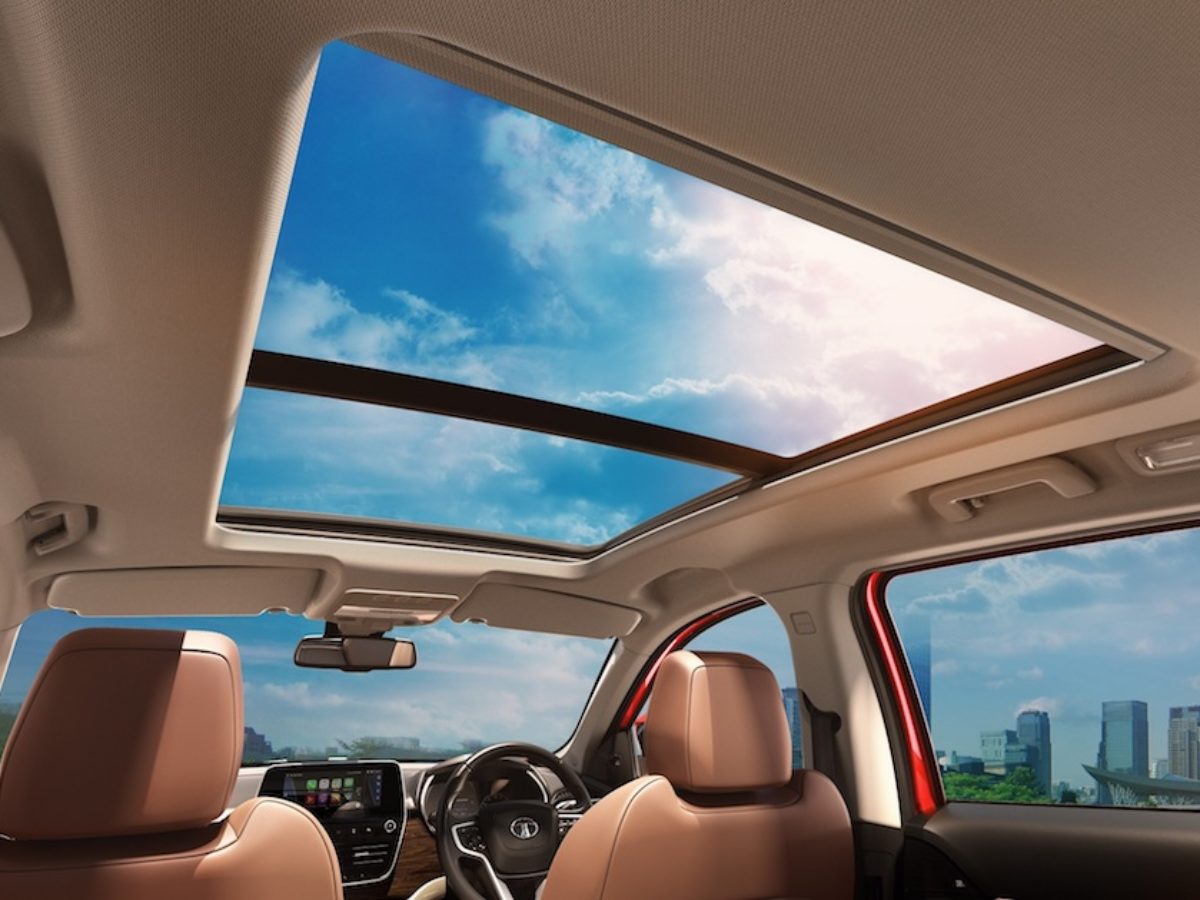
- It feels premium. A sunroof (especially a panoramic one) makes the cabin feel airy and expensive. For many buyers, it gives a small “luxury” feeling without buying a luxury car.
- Sunlight and fresh air. Even a tilt-open sunroof lets in natural light and some ventilation. On pleasant mornings or drives by the sea, it makes trips nicer.
- Good for family moments. Kids and family members enjoy the view. For many buyers, this matters more than pure performance specs.
- Status & social media. A sunroof signals a modern, feature-rich car — useful when sharing photos or short videos of the family outing.
- Manufacturers made it accessible. As makers localize sunroof parts and offer them in more trims, the price premium reduced — so more people can afford the feature.
All of the above means the sunroof is both an aesthetic and emotional upgrade — and in India that emotional part counts a lot.
3. Are sunroofs really useful, or just showy? (Let’s be realistic)
Sunroofs are part comfort, part style. They do not make a car faster, safer, or more fuel efficient — but they do change how the car feels to use. Here’s a practical look.
When a sunroof is truly useful
- You live in a region with a lot of pleasant weather and you enjoy open-air drives.
- You value cabin ambience — more light, a feeling of space.
- You often carry family and want a “holiday” feel on drives.
When a sunroof is mostly show
- You live in very hot, dusty, or rainy climates where it won’t be used much.
- You’re buying mainly for fuel efficiency, low maintenance, or rugged usage (frequent off-road/mud routes).
- You plan to keep the car for only a short time and care only about price, not features.
In short: sunroofs deliver emotional and comfort value, not mechanical improvements. If those softer benefits matter to you, a sunroof can be worth the cost.
4. Types of sunroofs (simple explanation)
There are a few common types — knowing them helps avoid surprises when you test-drive.
- Pop-up / tilt sunroof: A small panel that tilts up for ventilation. Cheap and simple.
- One-touch sliding sunroof (moonroof): Opens fully or partially at the press of a button — common in many SUVs.
- Panoramic sunroof: Large glass covering much of the roof, often split into two panels — gives the cabin a very open feel.
- Fixed glass roof: A large glass panel that doesn’t open but brings light into the cabin (less maintenance than an opening sunroof).
Panoramic is the most dramatic, but also typically costs more and can affect headroom.
5. Costs & maintenance — what you must plan for
Sunroofs add cost at purchase and small recurring maintenance expectations. Here’s what to keep in mind:
- Price premium: Sunroof variants are usually costlier than base trims. The premium varies by maker and model.
- Seals & water leaks: A poorly maintained seal can let water into the cabin. Regular checks and keeping drainage channels clear are important.
- Motor & mechanism wear: The sunroof motor or sliders can fail after many years if not used properly. Repairs aren’t always cheap.
- Noise & insulation: Open or even closed sunroofs can change wind noise and affect thermal insulation — test at highway speeds.
- Insurance considerations: Some insurers may charge a slightly different premium for high-feature variants; check before purchase.
A rule of thumb: if you can’t afford a modest maintenance budget or you live in heavy-rain/dust areas without indoor parking, think twice before choosing a sunroof.
6. Safety — the important but sometimes overlooked side
Sunroofs are safe when used correctly, but misuse and risky behaviour cause incidents. There have been viral incidents (e.g., people standing through sunroofs on highways) that ended badly — a reminder that sunroofs are not for sticking heads or bodies out while the car moves.
Practical safety points:
- Don’t allow people to stand through or stick body parts out of the sunroof while the car is moving. It’s dangerous and often illegal.
- Keep children seated and belted. A sunroof is not a substitute for proper child safety.
- Be cautious with tall overhead obstacles (low bridges, parking garage beams) when using a sunroof in raised position.
- Regularly check sunroof locks and mechanisms to ensure they close fully during sudden braking or rollover scenarios.
When sold and used correctly, a factory-fitted sunroof is a safe feature. The main risk is misuse and poor maintenance.
7. Resale value — do sunroofs help or hurt later on?
Short answer: usually a sunroof helps resale value if it’s common in that segment and well maintained.
Why:
- Many buyers prefer feature-rich cars; a sunroof can be a nice selling point.
- Cars where sunroofs are standard or common (popular SUVs) will see stronger resale demand for sunroof variants.
Why it can hurt:
- If the sunroof leaks or the mechanism fails, buyers discount the value heavily.
- In regions where sunroofs are rare (very dusty or very rainy markets), a sunroof may add little resale premium.
Bottom line: if you choose a sunroof, keep it clean, maintain seals, and ensure all functions work — that preserves value.
8. Market view — are sunroofs a passing fad or here to stay?
The evidence points to sunroofs becoming a permanent mainstream feature rather than a short fad. Several indicators:
- Major manufacturers report large volumes of sunroof-equipped cars sold in recent years, and many brands now offer sunroofs across multiple models and trims. Hyundai alone reported moving over a million sunroof-equipped cars in India over a recent multi-year period — a sign that buyers consistently choose the feature.
Sunroofs now appear in mid-segment SUVs and even some premium hatchbacks, suggesting manufacturers see recurring demand.
Given these signals and the emotional value attached to the feature, sunroofs are more likely an ongoing preference than a short-lived trend.
9. Which cars give the best sunroof experience? (examples & tip)
Many popular SUVs and crossovers feature sunroofs that are praised for size, quietness, and reliability: Creta, Hector, Seltos, XUV700, Tata Harrier, and more. Review sites and model roundups list the best sunroof cars each year. If a sunroof is important, prefer models that are known for good fit-finish and dealer network support.
Tip: Use a comparison site to filter models with panoramic sunroofs and read owner comments on long-term reliability. A useful resource for quick comparisons is CarJD — bookmark it while you compare specs and reviews.
10. Practical buying checklist (short & useful)
When choosing a car with a sunroof, walk through this checklist during your visit and test drive:
- Test the sunroof at different speeds (idle and highway) — listen for wind noise and check for rattles.
- Open and close the sunroof several times to judge smoothness and speed; ask about motor warranty.
- Check headroom in the rear seat — panoramic roofs can reduce roof space for tall passengers.
- Inspect seals & drains — ask service staff to show you the drainage channels.
- Ask about spare parts & repair costs for the sunroof mechanism.
- Ask the dealer for any included maintenance for the sunroof in the warranty period.
- Confirm insurance and resale expectations for that variant in your city.
This short routine helps avoid surprises after purchase.
11. Are aftermarket sunroofs a good idea?
Sometimes cheaper cars can get aftermarket sunroofs fitted later. This is usually not recommended:
- Aftermarket installation may damage roof integrity and waterproofing if not done professionally.
- It can create warranty issues and reduce resale trust.
- The mechanism and sealing quality often don’t match factory standards.
If you want a sunroof, prefer factory-fitted options — safer, cleaner, and usually covered by warranty.
12. Cultural & social angle — why sunroofs matter beyond function
In India, car purchase is partly emotional and social. A sunroof gives families something to enjoy together — better light, a pleasant sky view, a feeling of “taking a little holiday” in daily drives. It’s also visible in social posts and auto shows, which amplifies desire. That social appeal is a big part of why sunroofs became mainstream.
13. A quick snapshot — pros and cons
Pros
- Enhances cabin ambience and perceived luxury.
- Natural light and ventilation option.
- Good resale potential if maintained and common in that model.
- Many mainstream models now offer sunroofs at reasonable premiums. CarOnPhone
Cons
- Adds upfront cost and small maintenance needs.
- Potential for leaks and wind noise if neglected.
- Not a functional improvement (doesn’t affect performance).
- Misuse can cause safety incidents.
14. The future: sunroofs + EVs + connected cars
As EVs and connected cars grow, panoramic roofs and large glass areas become design trends — they make EV cabins feel larger and techy. Expect sunroofs to be part of broader interior design moves in new EVs and premium variants. Still, the practical checks (drainage, motor reliability, headroom) stay important.
Manufacturers are likely to continue offering sunroofs as part of mid and upper trims, and dealers will support maintenance more strongly as the feature becomes standard.
Q: Does a sunroof reduce headroom?
A: Panoramic roofs can slightly reduce headroom, especially in the rear. Try sitting inside before deciding.
Q: Will a sunroof increase the chance of leaks?
A: Only if seals or drains are not maintained. Regular checks and cleaning prevent most leak problems.
Q: Is a panoramic sunroof better than a normal one?
A: Panoramic offers more light and a premium feel, but it’s costlier and can reduce headroom. Choose based on how much you value the open feel.
Q: Are sunroofs expensive to repair?
A: Repairs can be moderately expensive (motor or rail issues). Routine maintenance is cheap; major repairs cost more.
Q: Should I buy a car with an aftermarket sunroof?
A: Generally no — aftermarket work can cause leaks and warranty issues. Factory-fitted is safer.
Q: Does a sunroof affect car resale?
A: Usually positive if maintained and common in the model; negative if it leaks or malfunctions.
15. Final verdict — feature or fad?
Sunroofs in India are more feature than fad. They began as aspirational extras but have become a mainstream preference because manufacturers made them accessible and buyers value the emotional, comfort and status benefits. They won’t improve fuel economy or power, but for many families the daily joy and cabin ambience they offer are real and lasting.
If the sunroof matters to your driving experience and you’re prepared for small maintenance responsibilities, choose a well-reviewed, factory-fitted sunroof variant from a brand with good service reach. Use tools like CarJD to compare models and specs quickly while you decide.