16 Jan 2026 • Payal
Google Automotive Services (GAS): Everything You Need to Know About the New Smart Cockpits
Google Automotive Services (GAS) is transforming car interiors into smart, connected cockpits with built-in Google Maps, Assistant, and Play Store. This blog explains how GAS works, how it differs from Android Auto, and why carmakers are adopting it—along with real-world insights for buyers from carjd.com.
Cars are no longer just machines that take us from one place to another. In 2026, cars are becoming digital spaces—almost like smartphones on wheels. Touchscreens are bigger, dashboards are smarter, and software now plays as important a role as engines and design. At the center of this transformation is Google Automotive Services (GAS).
If you have seen cars with built-in Google Maps, Google Assistant, and Play Store—without needing your phone—you have already experienced GAS, even if you didn’t know the name. From premium electric cars to mainstream SUVs, Google Automotive Services is quietly redefining what a smart cockpit feels like.
In this blog, we will explain what Google Automotive Services really is, how it works, how it is different from Android Auto, why car manufacturers are adopting it, and whether it is actually good for drivers. We will also connect this topic with real-world car ownership insights you can explore on carjd.com, a platform focused on practical, driver-first car content.
The Rise of the Smart Cockpit
A few years ago, car infotainment systems were slow, confusing, and frustrating. Navigation felt outdated, voice commands barely worked, and updates required visits to service centers. Drivers relied heavily on Apple CarPlay or Android Auto just to get a usable experience.
Car manufacturers realized that software was becoming the new battleground. Customers were no longer impressed only by horsepower or mileage—they wanted seamless navigation, smart voice control, live traffic updates, and apps that worked smoothly.
This shift led to the rise of built-in operating systems inside cars, and Google Automotive Services became one of the most powerful solutions available.
What Is Google Automotive Services (GAS)?
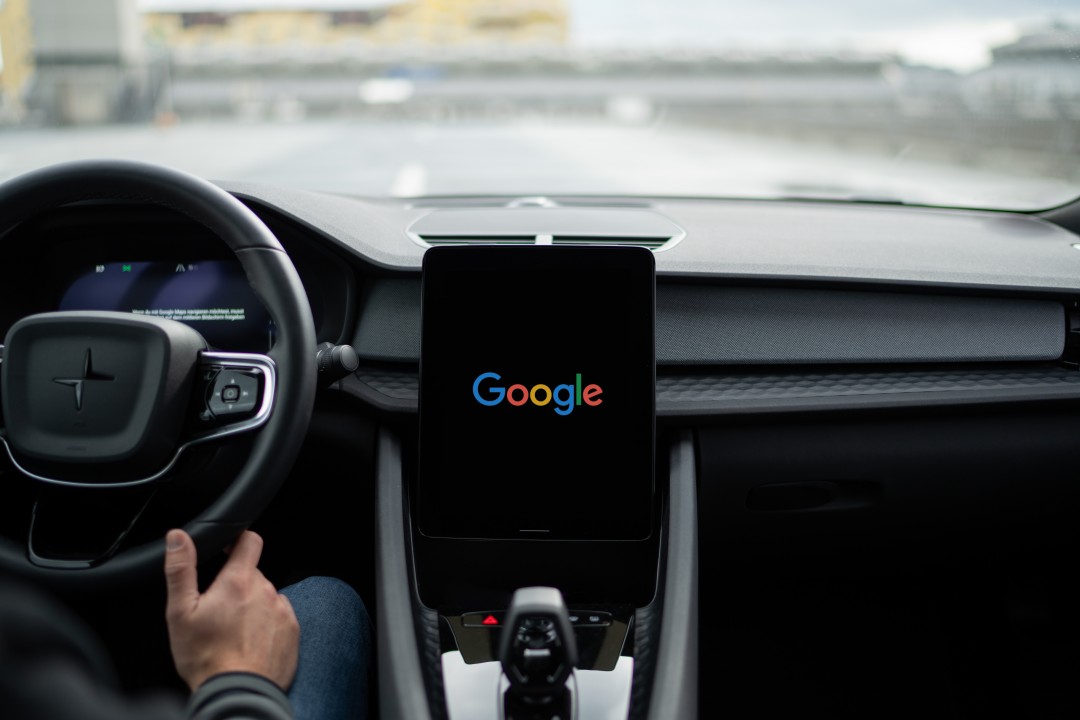
Google Automotive Services, commonly called GAS, is a collection of Google’s core apps and services that are built directly into a car’s infotainment system. Unlike Android Auto, which mirrors your phone onto the car screen, GAS runs natively inside the vehicle.
This means the car itself uses Google software, even when your phone is not connected.
The main services included in GAS are Google Maps, Google Assistant, and Google Play Store. Together, they form the foundation of a smart, connected cockpit that feels familiar to anyone who has used an Android phone.
In simple words, GAS turns your car into a Google-powered device.
GAS vs Android Auto: Understanding the Difference
Many people confuse Google Automotive Services with Android Auto, but they are very different.
Android Auto depends completely on your smartphone. You plug in your phone (or connect wirelessly), and your phone’s apps appear on the car screen. If your phone battery dies or the connection drops, Android Auto stops working.
Google Automotive Services, on the other hand, lives inside the car. The car has its own operating system, internet connection (in many cases), and access to Google apps. You can use navigation, voice commands, and apps even without your phone.
This difference changes the entire driving experience. GAS feels more integrated, faster, and more stable—especially on long journeys.
How Google Automotive Services Powers the Smart Cockpit
The idea of a smart cockpit is simple: everything the driver needs should be accessible easily, safely, and intelligently. GAS helps achieve this by deeply integrating software with the car’s hardware.
Navigation appears not only on the central screen but also on digital instrument clusters in some cars. Voice commands can control navigation, music, calls, climate settings, and more. Apps feel optimized for driving rather than stretched phone versions.
This deep integration is why many modern cars feel more like tech products than traditional vehicles.
If you want to see which cars offer this level of smart cockpit experience, carjd.com regularly covers infotainment systems, trims, and ownership impressions that help buyers understand what they are actually getting.
Google Maps: The Heart of GAS
One of the biggest reasons manufacturers adopt Google Automotive Services is Google Maps. It is widely considered one of the best navigation systems in the world.
In cars with GAS, Google Maps is built-in and optimized for driving. It provides real-time traffic updates, lane guidance, rerouting, and accurate arrival times. In electric vehicles, it can even plan routes based on charging needs and battery range.
Because it is native to the car, Google Maps loads faster and works more reliably than phone-based navigation. Updates happen automatically, so maps stay current without dealer visits.
For drivers who rely heavily on navigation, this alone makes GAS a game-changer.
Google Assistant: Voice Control That Actually Works
Voice control is essential for safety. Drivers should not be distracted by tapping screens while driving. Google Automotive Services includes Google Assistant, which allows drivers to control many functions using natural voice commands.
You can ask for directions, play music, make calls, check the weather, or even control smart home devices—all without taking your hands off the wheel.
Because Google Assistant is deeply integrated into the car, it often works faster and more accurately than phone-based systems. Over time, it learns user preferences, making interactions smoother.
This is a major reason why drivers describe GAS-powered cockpits as more “intelligent” rather than just “digital.”
Google Play Store in Your Car
One of the most interesting aspects of Google Automotive Services is the Google Play Store for cars. This allows users to download apps directly into the vehicle.
These apps are specially designed or approved for in-car use, focusing on safety and usability. Music, podcasts, audiobooks, navigation-related tools, and even some video apps (usable only while parked) are part of this ecosystem.
This transforms the car into a platform rather than a closed system. Over time, new apps and features can be added through software updates, extending the life and value of the vehicle.
For buyers who care about long-term ownership experience, this software flexibility is becoming as important as engine reliability—something often discussed in ownership-focused articles on carjd.com.
Why Car Manufacturers Are Choosing Google Automotive Services
Car companies face a difficult challenge: building high-quality software is expensive, slow, and risky. Many brands tried creating their own infotainment systems, only to face criticism for poor performance and outdated interfaces.
Google Automotive Services offers a shortcut to a world-class software experience. By partnering with Google, manufacturers can focus on vehicle design, safety, and performance while letting Google handle maps, voice, and app ecosystems.
At the same time, manufacturers can still customize the look and feel of the interface to match their brand identity. This balance of control and convenience makes GAS very attractive.
Privacy and Data Concerns: What Drivers Should Know
With great technology comes important questions about privacy. Since Google Automotive Services uses Google accounts and services, data such as location history and app usage may be involved.
Manufacturers and Google state that privacy controls are provided, allowing users to manage permissions and data sharing. Some cars allow guest modes or limited profiles to reduce data tracking.
Still, drivers should be aware that smart cockpits are connected systems. Understanding settings and permissions is important, just like on smartphones.
This is an area where buyers should stay informed, and platforms like carjd.com help break down what features mean in real-world ownership.
How GAS Changes the Ownership Experience
Traditionally, cars became outdated as technology advanced. Infotainment systems felt old after just a few years. Google Automotive Services changes this by enabling over-the-air updates.
Cars can receive new features, performance improvements, and bug fixes without visiting a service center. This keeps the cockpit fresh and functional over time.
For long-term owners, this means better value and fewer frustrations. For used-car buyers, it means a car that still feels modern even after several years.
Is Google Automotive Services the Future of In-Car Tech?
Looking at current trends, it is clear that software-defined vehicles are the future. Google Automotive Services is one of the strongest platforms driving this shift.
However, it is not the only approach. Some manufacturers prefer Apple’s next-generation CarPlay, while others build custom systems or use Android Automotive without Google services.
The future will likely be diverse, but GAS has positioned itself as a powerful, flexible, and familiar option—especially for drivers already comfortable with Google’s ecosystem.
How carjd.com Fits Into This Conversation
Understanding smart cockpits requires more than just tech explanations. Drivers need to know how these systems perform in daily use—during traffic, long trips, and ownership over time.
This is where carjd.com becomes valuable. The platform focuses on real-world car insights, feature comparisons, and ownership perspectives that help buyers make informed decisions. Whether you are comparing infotainment systems or understanding long-term usability, carjd.com connects technology with practical driving experience.
Frequently Asked Questions (FAQs)
Q1 What is Google Automotive Services in simple terms?
Google Automotive Services is a set of Google apps like Maps, Assistant, and Play Store built directly into a car’s infotainment system, allowing the car to run Google software without needing a phone.
Q2 Is Google Automotive Services the same as Android Auto?
No. Android Auto mirrors your phone onto the car screen, while Google Automotive Services runs natively inside the car itself.
Q3 Do I need an Android phone to use GAS?
No. GAS works independently of your phone, although signing in with a Google account unlocks more features.
Q4 Is Google Automotive Services safe to use while driving?
Yes. It is designed with safety in mind, focusing on voice control and minimal driver distraction.
Q5 Will cars with GAS become outdated quickly?
Less likely. Over-the-air updates help keep features current, extending the life of the infotainment system.
Q6 Can manufacturers customize Google Automotive Services?
Yes. Car brands can customize the interface and features while still using Google’s core services.
Q7 Where can I learn which cars offer GAS?
You can explore car features, infotainment systems, and ownership insights on carjd.com.
Conclusion
Google Automotive Services is more than just another infotainment system. It represents a shift toward truly smart cockpits where software, navigation, voice control, and apps work together seamlessly. By bringing Google’s ecosystem directly into the car, GAS improves usability, safety, and long-term ownership experience.
As cars continue to evolve into connected digital platforms, understanding technologies like Google Automotive Services becomes essential for modern buyers. Whether you are researching your next car or simply curious about where in-car technology is heading, platforms like carjd.com help bridge the gap between innovation and real-world driving.
The future of driving is not just about engines and design—it’s about intelligent experiences behind the wheel, and Google Automotive Services is playing a major role in shaping that future.