23 Dec 2025 • Payal
Autonomous & Self-Driving Cars: What’s Coming Next?
Self-driving cars are moving from science fiction to reality, but full autonomy is still a work in progress. This blog explains the levels of automation, real-world testing challenges, and how close we really are to driverless cars, helping Indian buyers understand what today’s autonomous features actually offer and what the future holds.
For decades, self-driving cars felt like science fiction—something we would see only in movies. Today, that future is slowly becoming reality. Cars can already park themselves, maintain lane discipline, adjust speed automatically, and even drive short distances without human input. But the big question remains: how close are we really to fully driverless cars?
In this blog, we’ll explain autonomous driving in simple, humanized language, look at the levels of automation, understand real-world testing, and honestly assess how near (or far) we are from driverless cars. We’ll also connect this topic with practical car awareness content you’ll often see on carjd.com, a platform that helps Indian car buyers understand modern car technologies better.
What Are Autonomous or Self-Driving Cars?
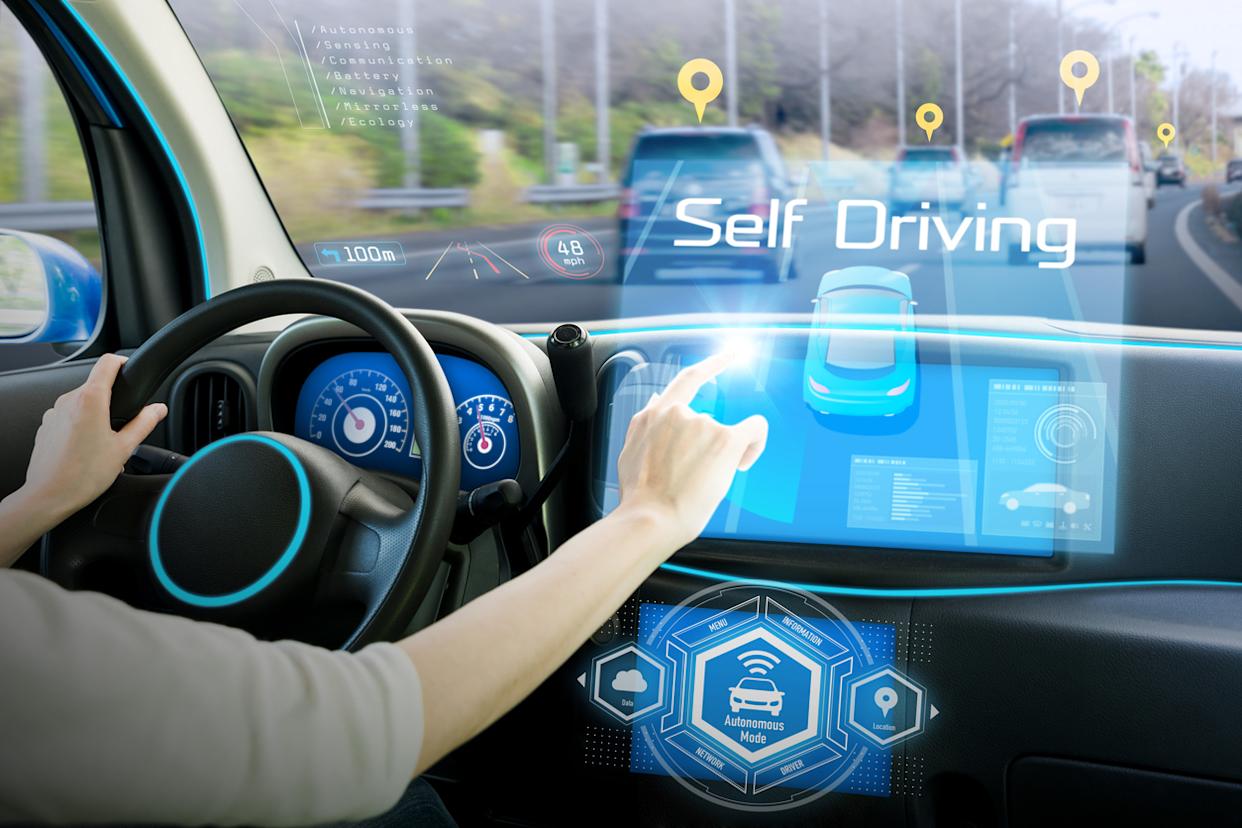
Autonomous or self-driving cars are vehicles that use a combination of cameras, sensors, radar, software, and artificial intelligence to move from one place to another with little or no human control. Instead of relying only on a driver, these cars “see” the road, understand traffic situations, and make driving decisions on their own.
However, not all self-driving cars are fully autonomous. Most vehicles on Indian roads today are partially automated, even if advertisements sometimes make them sound completely driverless.
Understanding the Levels of Automation (SAE Levels 0–5)
To avoid confusion, engineers and regulators use a global standard defined by the Society of Automotive Engineers (SAE). This system divides vehicle automation into six levels, from Level 0 to Level 5.
Level 0: No Automation
At this level, the driver does everything—steering, braking, accelerating, and decision-making. The car may give warnings (like seatbelt alerts or collision warnings), but it does not take control. Many older cars fall into this category.
Level 1: Driver Assistance
Here, the car can assist with one task at a time, such as cruise control or lane-keeping assist. The driver remains fully responsible and must keep hands on the wheel and eyes on the road. Many affordable cars today offer Level 1 features.
Level 2: Partial Automation
This is where things start to feel futuristic. At Level 2, the car can steer and control speed at the same time under certain conditions. Features like adaptive cruise control combined with lane centering fall into this category.
Many premium cars in India today operate at Level 2. However, the driver must remain alert at all times. If something goes wrong, the driver must take over immediately.
Level 3: Conditional Automation
Level 3 allows the car to drive itself in specific situations, such as highways with clear lane markings. The driver can take hands off the wheel but must be ready to intervene when the system asks.
This level is legally complex, and only a few countries allow it in limited conditions. Most manufacturers are cautious here because responsibility shifts between car and driver.
Level 4: High Automation
At Level 4, the car can drive completely on its own within defined areas, such as a city zone or fixed route. Human intervention is usually not required, but the system works only in controlled environments.
Robotaxis being tested in some countries operate at Level 4.
Level 5: Full Automation
This is the ultimate goal—no steering wheel, no pedals, no human input needed. The car can drive anywhere, anytime, in all conditions.
As of now, Level 5 cars do not exist in real-world public use.
Where Are We Today?
Despite the hype, most cars on the road today are between Level 1 and Level 2. Even advanced systems still rely heavily on drivers. Fully driverless cars are being tested, but only in controlled environments and limited locations.
This reality check is important for buyers, and platforms like carjd.com regularly help users understand what features truly mean versus what marketing claims suggest.
You can explore more practical car technology explainers on carjd.com, especially if you’re planning to buy a feature-rich car and want clarity without technical jargon.
Real-World Testing: Why It Takes So Long
Testing self-driving cars is not as simple as testing smartphones or apps. Cars operate in unpredictable environments—bad roads, sudden pedestrians, animals, weather changes, and human driving mistakes.
Manufacturers test autonomous cars in:
- Controlled test tracks
- Selected city zones
- Highways with mapped data
- Simulated virtual environments
Each kilometer driven helps the system learn, but real roads are messy, especially in countries like India where traffic behavior is highly dynamic.
Challenges Holding Back Fully Driverless Cars
Road Infrastructure
Autonomous systems depend on clear lane markings, road signs, and predictable behavior. Many Indian roads still lack consistent infrastructure, making full autonomy difficult.
Mixed Traffic
Cars, bikes, pedestrians, animals, and handcarts often share the same road. Teaching a machine to understand all these patterns safely is extremely complex.
Legal and Safety Responsibility
If a driverless car crashes, who is responsible—the manufacturer, software developer, or passenger? Laws around this are still evolving globally.
Cost and Complexity
Advanced sensors like LiDAR and powerful computing systems are expensive. Making them affordable for mass-market cars is a challenge.
How Close Are We to Fully Driverless Cars?
The honest answer: we are closer than before, but not there yet.
In the next 5–10 years, we are likely to see:
- More advanced Level 2 and Level 3 cars
- Limited Level 4 robotaxis in select cities
- Better driver-assistance features in everyday cars
Level 5 cars that work everywhere without human input may still take longer, especially in countries with complex traffic environments.
What This Means for Indian Car Buyers
For Indian buyers, autonomous driving should be viewed as assistance, not replacement—at least for now. Features like adaptive cruise control, lane assist, emergency braking, and blind-spot monitoring already improve safety and comfort.
Instead of chasing the idea of a fully driverless car, buyers should focus on:
- Safety features
- Reliable ADAS systems
- Real-world usability
This is where trusted platforms like carjd.com help decode which features are actually useful on Indian roads.
The Human Side of Autonomous Driving
Many people worry that self-driving cars will take away the joy of driving. In reality, automation is more about reducing fatigue, increasing safety, and supporting drivers, especially during long or stressful journeys.
Rather than replacing humans, autonomous technology is slowly becoming a co-driver—one that watches constantly and reacts faster than humans in emergencies.
Final Thoughts
Autonomous and self-driving cars are not a distant dream, but they are also not magic machines ready to replace drivers overnight. The journey toward driverless cars is gradual, practical, and filled with challenges.
Understanding automation levels, real-world testing, and limitations helps buyers set realistic expectations. As technology evolves, informed decision-making becomes more important than excitement.
For clear, practical, and buyer-friendly explanations of such technologies, platforms like carjd.com play a valuable role in guiding Indian car buyers through the future of mobility.
Frequently Asked Questions (FAQs)
Are self-driving cars legal in India?
Fully driverless cars are not legally permitted in India. However, cars with advanced driver-assistance features are allowed.
Is Tesla fully autonomous in India?
No. Tesla’s systems operate at Level 2 automation and still require active driver supervision.
Will self-driving cars reduce accidents?
Advanced systems can reduce human error, but they are not perfect. Safety improves when technology and responsible driving work together.
How soon will Level 5 cars arrive?
There is no fixed timeline. Experts believe it may take more than a decade for widespread Level 5 adoption.
Should I buy a car for autonomous features today?
Buy a car for safety and comfort features that work today. Fully driverless capability should not be the main deciding factor yet.