02 Mar 2026 • Payal
Signs Your Car Needs Immediate Servicing
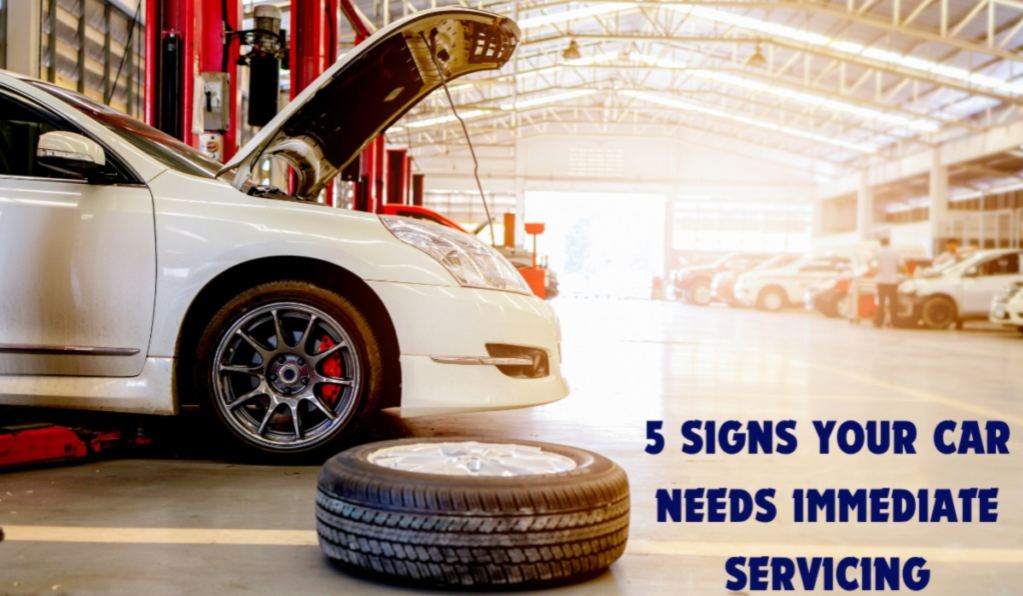
Most car problems don’t happen suddenly. Your vehicle gives small warning signs like dashboard lights, unusual noises, vibrations, smoke, or reduced fuel efficiency before a major breakdown. This blog explains the early signs that your car needs immediate servicing, why timely maintenance is important, and how staying informed through carjd.com can help you avoid costly repairs and drive safely with confidence.
Most car problems do not happen suddenly. Your vehicle usually gives you small warnings before a major breakdown. The problem is that many drivers ignore these signals. Life gets busy, and as long as the car starts and moves, we assume everything is fine. But under the hood, small issues may already be growing into bigger and more expensive problems.
Understanding the early signs that your car needs immediate servicing can save you from unexpected breakdowns, costly repairs, and even dangerous driving situations. In this detailed guide, we will explore these warning signs in a clear and simple way. We will also explain why timely servicing matters and how staying informed through reliable platforms like carjd.com can help you make smarter car-care decisions.
Why Immediate Servicing Is So Important
A car is not just a machine; it is a system of interconnected parts. The engine, brakes, cooling system, suspension, electrical wiring, and transmission all work together. When one part begins to fail, it can slowly affect others. Ignoring early symptoms may turn a small repair into a major overhaul.
Regular servicing is not only about changing oil or washing the car. It ensures safety, improves performance, increases fuel efficiency, and maintains resale value. Many drivers think servicing is an expense, but in reality, it is an investment in your vehicle’s long-term health.
If you understand the signs your car gives, you can act before serious damage occurs.
Warning Lights on the Dashboard: Your Car Is Talking to You
Modern vehicles are equipped with advanced sensors that monitor almost every important system. When something is wrong, the dashboard lights up. These warning lights are not decoration — they are urgent messages.
If the check engine light appears and stays on, it means the engine management system has detected a problem. It could be something minor like a loose fuel cap, but it could also signal issues with the fuel system, ignition system, or emissions components. Even if the car feels normal, ignoring this light is risky.
A temperature warning light is even more serious. It means the engine is overheating. Driving with an overheating engine can damage vital components like the cylinder head or gasket, leading to extremely expensive repairs.
Brake warning lights are directly related to safety. If the brake system light comes on, you may have low brake fluid or worn brake pads. Continuing to drive without inspection puts you and others at risk.
When these lights appear, it is not the time to delay. Immediate servicing is necessary. If you are unsure what each symbol means, reading trusted automotive resources on carjd.com can help you understand dashboard warnings clearly.
Unusual Noises: A Clear Sign Something Is Wrong
Cars are designed to run smoothly and relatively quietly. When you begin to hear new or unusual sounds, it is a sign that something needs attention.
If you hear a knocking or tapping sound from the engine, it may indicate problems with combustion or engine components. This type of issue should not be ignored, as engine damage can become severe quickly.
A grinding noise when braking is often a clear sign that brake pads are worn out. If brake pads are not replaced in time, they can damage the brake discs, making repairs much more expensive.
A high-pitched squealing sound when you start the car may mean that belts are worn or loose. Belts control critical systems like the alternator and water pump. If a belt fails, your car could stop functioning altogether.
Clunking sounds when driving over bumps often indicate suspension problems. Suspension issues not only affect comfort but also reduce vehicle control and stability.
Listening carefully to your car can prevent serious breakdowns.
Decreased Fuel Efficiency: A Silent Warning
If you notice that your car is consuming more fuel than usual, it is often a sign of underlying mechanical issues. A dirty air filter can restrict airflow to the engine, causing it to burn more fuel. Worn spark plugs may reduce combustion efficiency. Improper tire pressure or alignment issues can also increase fuel consumption.
Many drivers only focus on rising fuel prices, but forget that their vehicle’s health affects mileage significantly. If your mileage drops noticeably without any change in driving habits, it is time for servicing.
Keeping track of fuel efficiency trends and learning maintenance tips through expert automotive platforms like carjd.com can help you identify such issues early.
Vibrations While Driving: A Sign of Mechanical Imbalance
Driving should feel stable and controlled. If you begin to feel vibrations in the steering wheel, seats, or brake pedal, something may be wrong.
Vibrations while driving at high speed often indicate wheel alignment or balancing issues. Driving with unbalanced wheels causes uneven tire wear and reduces safety.
If the vibration happens while braking, the brake discs may be warped. This reduces braking efficiency and increases stopping distance.
Steering vibrations can also point to suspension or steering component problems. Ignoring these symptoms can result in expensive repairs and dangerous driving conditions.
Smoke from the Exhaust: A Warning You Should Never Ignore
The color of exhaust smoke can reveal serious problems.
Black smoke often indicates that too much fuel is being burned. This can be caused by fuel injection problems.
Blue smoke usually means that engine oil is entering the combustion chamber. This suggests internal engine wear.
White smoke may indicate coolant leakage into the engine, which is a serious issue.
Smoke is never normal. If you see persistent smoke, immediate servicing is essential.
Difficulty Starting the Car
If your car struggles to start or requires multiple attempts, it may signal battery issues, starter motor problems, or fuel system faults.
A weak battery can leave you stranded unexpectedly. Ignoring early signs like slow cranking or dim headlights increases the risk of sudden breakdown.
Timely inspection can prevent inconvenience and towing costs.
Poor Braking Performance
Brakes are your car’s most important safety feature. If the brake pedal feels soft, spongy, or requires extra pressure, it may indicate air in the brake lines or low brake fluid.
If your car pulls to one side while braking, there may be uneven brake pad wear.
Never ignore brake problems. Even a minor delay in servicing can have serious consequences.
Leaking Fluids Under the Car
If you notice liquid under your parked car, do not ignore it. Different colored fluids indicate different issues.
Engine oil leaks can cause lubrication problems. Coolant leaks can lead to overheating. Brake fluid leaks directly impact braking efficiency.
Leaks should always be inspected immediately.
Rough Gear Shifting
If your car jerks while shifting gears or struggles to change gears smoothly, it may indicate transmission issues.
Transmission repairs are among the most expensive car repairs. Addressing early signs can save significant money.
AC Not Cooling Properly
While it may not seem urgent, AC problems can indicate deeper issues in the cooling system. A weak AC may result from low refrigerant levels or compressor problems.
Ignoring it may lead to further mechanical complications.
How Regular Servicing Protects Your Investment
Regular servicing ensures that:
- The engine remains efficient
- Fuel economy stays consistent
- Safety systems function properly
- Resale value remains high
When you plan to sell your car, a well-documented service history increases buyer trust and improves resale price.
For more detailed car ownership guides, maintenance checklists, and buying advice, carjd.com offers practical insights that help car owners make informed decisions.
Frequently Asked Questions (FAQs)
How do I know if my car needs urgent servicing?
If you notice warning lights, unusual noises, vibrations, reduced mileage, smoke, or braking issues, your car likely needs immediate inspection.
Can I continue driving with the check engine light on?
It depends. If the light is flashing, stop immediately. If steady, get it checked as soon as possible.
What happens if I delay servicing?
Small issues can grow into expensive repairs, reduce safety, and increase fuel costs.
How often should I service my car?
Generally every 6 months or 10,000 kilometers, but refer to your manufacturer’s recommendation.
Does regular servicing increase resale value?
Yes. Buyers prefer cars with a proper service record.
Final Thoughts
Your car rarely fails without warning. It gives signs — through sounds, lights, smells, and performance changes. The key is to notice them and act quickly.
Immediate servicing is not about unnecessary expense; it is about safety, efficiency, and long-term savings. Staying informed about car maintenance helps you take control rather than react to emergencies.
For reliable car care advice, buying guides, and maintenance insights, platforms like carjd.com can help you stay updated and make smarter decisions about your vehicle.
Take care of your car today, and it will take care of you on every journey.