13 Jan 2026 • Payal
Scrappage Policy 2026 Update: How to Get the Maximum Benefit for Your Old Car
The Scrappage Policy 2026 update explains how car owners can get the maximum benefit from scrapping old vehicles. This blog covers eligibility, fitness tests, incentives, common mistakes, and how carjd.com helps in choosing the right new car after scrappage.
If you own an old car and are confused about whether to keep it, sell it, or scrap it, you are not alone. Millions of vehicle owners across India are asking the same question as the Vehicle Scrappage Policy continues to evolve. With the Scrappage Policy 2026 update, the government’s focus is clear—reduce pollution, remove unfit vehicles from roads, and encourage people to shift to newer, safer, and cleaner vehicles.
But for car owners, the most important question is simple:
How do I get the maximum benefit for my old car under the scrappage policy?
What Is the Vehicle Scrappage Policy?
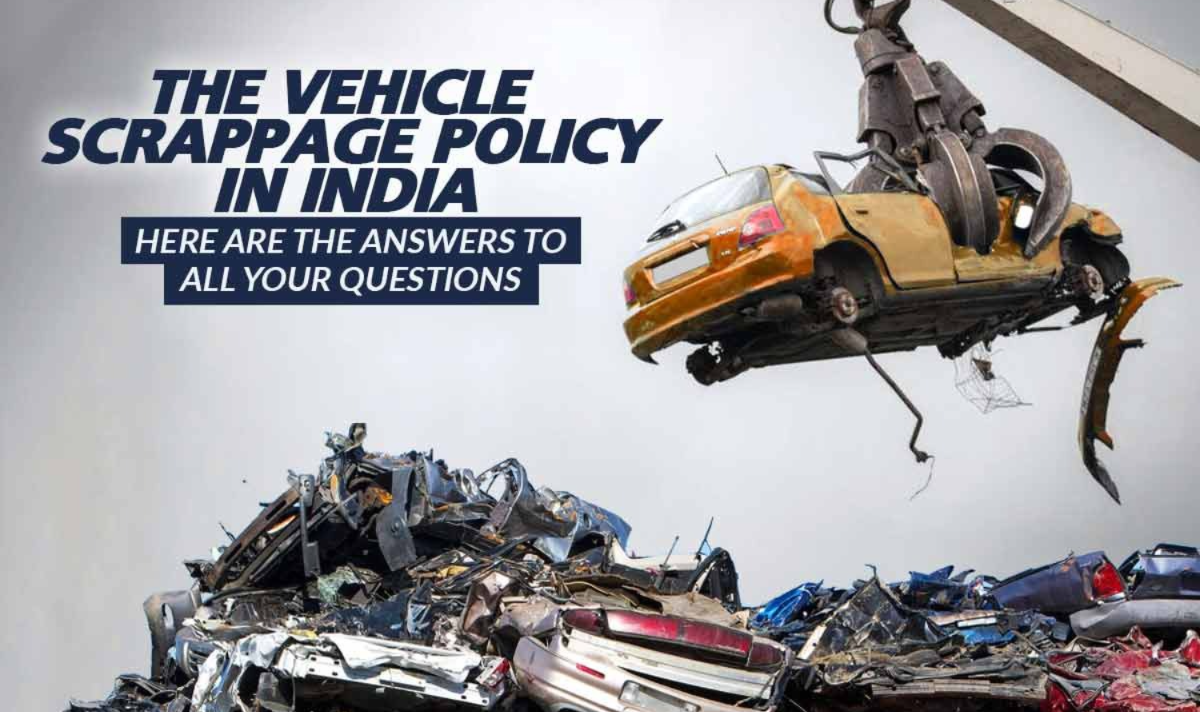
The Vehicle Scrappage Policy is a government initiative designed to phase out old, unfit, and polluting vehicles from Indian roads. Instead of forcing people to keep repairing aging vehicles that are unsafe and harmful to the environment, the policy encourages owners to scrap such vehicles and replace them with newer ones.
Under this policy, vehicles that fail fitness tests or cross a certain age limit are encouraged—or in some cases required—to be scrapped at authorized scrapping centers. In return, owners receive incentives such as discounts, fee waivers, and tax benefits when purchasing a new vehicle.
The goal is not to punish vehicle owners, but to reward responsible replacement.
Why the Scrappage Policy Matters More in 2026
By 2026, the scrappage policy is expected to play a much bigger role than it did in its early years. The number of old vehicles on Indian roads is still very high, especially diesel cars and commercial vehicles that are more than 10–15 years old.
The government is also tightening emission norms and fitness requirements. This means maintaining an old vehicle will become more expensive and difficult. Fitness tests will be stricter, re-registration costs will increase, and fuel efficiency penalties may apply.
For many owners, scrapping the vehicle and taking the benefits will make more financial sense than keeping it running.
Which Vehicles Are Covered Under the Scrappage Policy?
The scrappage policy applies mainly to vehicles that are old, polluting, or unfit for road use. While exact rules may vary slightly by state and year, the general idea remains the same.
Private petrol cars older than 15 years and diesel cars older than 10 years are closely monitored. Commercial vehicles usually face stricter rules because they cover more distance and cause higher emissions.
If a vehicle fails the fitness test, it becomes an End-of-Life Vehicle (ELV) and is eligible for scrapping at an authorized center.
Fitness Test: The Key Decision Point
The fitness test is the most important part of the scrappage policy. This test checks whether your vehicle is safe to drive and meets emission standards.
If your car passes the fitness test, you may continue to use it, though re-registration fees and taxes may be higher. If it fails, scrapping becomes the recommended option.
By 2026, fitness testing is expected to become fully automated and more transparent, reducing corruption and guesswork. This makes the decision clearer for vehicle owners.
What Benefits Can You Get by Scrapping Your Old Car?
One of the biggest reasons people hesitate to scrap their old car is confusion about benefits. Many believe scrapping gives very little value, which is not entirely true if done correctly.
When you scrap your car at an authorized facility, you receive a Certificate of Deposit (Scrappage Certificate). This certificate unlocks several benefits when you buy a new vehicle.
You may get a discount from the vehicle manufacturer, waiver or reduction in registration fees, and possible road tax benefits depending on state policies. You also get the scrap value of the car based on its weight and material.
When combined, these benefits can result in significant savings.
How to Get the Maximum Benefit From Scrappage Policy 2026
Getting the maximum benefit is not about scrapping quickly—it is about scrapping smartly.
The first step is timing. If your car is nearing the end of its life, planning the scrappage close to when you intend to buy a new car helps you use benefits immediately.
The second step is choosing an authorized scrapping center. Unauthorized dealers may offer quick cash, but you lose official benefits and risk legal issues.
The third step is choosing the right new vehicle. Some manufacturers offer better scrappage discounts than others. This is where researching the market becomes important.
Platforms like carjd.com help you compare car prices, variants, features, and deals so you can make the most of your scrappage benefits. You can explore new car options and pricing insights at carjd.com
Why Selling Your Old Car May Not Be Better Than Scrapping
Many owners think selling their old car in the used market is more profitable than scrapping. This may be true for relatively newer vehicles, but for very old or polluting cars, resale value is low and risky.
Selling an old car can create future problems if ownership transfer is not handled properly. You may continue to receive fines, challans, or tax notices even after selling.
Scrapping provides legal closure. Once a vehicle is scrapped, it is permanently removed from records, giving peace of mind along with official benefits.
Environmental Impact: A Hidden Benefit
Apart from financial gains, scrapping old vehicles has a strong environmental impact. Old cars emit significantly more pollution compared to modern vehicles that meet BS6 norms.
Scrapping reduces air pollution, fuel consumption, and dependence on imported oil. The recycled materials from scrapped vehicles are reused, reducing the need for raw material extraction.
In simple words, scrapping your old car is not just good for your wallet—it is good for everyone.
What Happens at an Authorized Scrapping Center?
When you take your vehicle to an authorized scrapping center, the process is systematic and transparent.
Your vehicle documents are verified first. The vehicle is then dismantled in an environmentally safe manner. Reusable parts are separated, and hazardous materials are disposed of responsibly.
Once the process is complete, you receive the Scrappage Certificate, which officially ends the life of your vehicle and enables you to claim benefits.
Buying a New Car After Scrappage: Things to Keep in Mind
After scrapping your old car, the next step is choosing the right replacement. This is where many people rush and make mistakes.
You should consider fuel type, maintenance cost, resale value, safety features, and long-term running expenses. New-age cars are safer, more efficient, and offer better technology.
Using platforms like carjd.com helps you compare options side by side, understand pricing trends, and choose a car that truly suits your needs and budget.
Scrappage Policy and Electric Vehicles
The scrappage policy indirectly supports electric vehicles as well. Many people use scrappage benefits to switch from old petrol or diesel cars to electric vehicles.
While EVs may have a higher upfront cost, lower running expenses and government incentives make them attractive in the long run. Scrappage benefits can reduce the initial burden significantly.
Common Mistakes People Make With the Scrappage Policy
One common mistake is scrapping through unauthorized dealers just for quick cash. Another mistake is not checking manufacturer discounts before buying a new car.
Some people delay scrapping and end up spending more on repairs and fitness tests than the benefits they could have received.
Understanding the policy properly helps avoid these costly errors.
How the Scrappage Policy Helps the Economy
The scrappage policy also supports the automobile industry and job creation. Increased demand for new vehicles boosts manufacturing, while recycling creates employment opportunities.
By 2026, the policy is expected to strengthen India’s position as a cleaner and more modern automotive market.
FAQs: Scrappage Policy 2026
What is the vehicle scrappage policy?
It is a government policy that encourages scrapping old and polluting vehicles and replacing them with newer ones.
Is scrapping compulsory in 2026?
Scrapping is not mandatory for all vehicles, but vehicles that fail fitness tests may not be allowed on roads.
How much money will I get by scrapping my car?
You receive scrap value plus benefits like discounts and fee waivers when buying a new car.
Can I sell my car instead of scrapping it?
Yes, but very old vehicles have low resale value and legal risks compared to scrapping.
Where can I check new car prices after scrappage?
You can explore updated car prices and comparisons on carjd.com.
Is scrapping good for the environment?
Yes, it significantly reduces pollution and promotes recycling.
Final Thoughts
The Scrappage Policy 2026 is not just about removing old vehicles—it is about encouraging safer roads, cleaner air, and smarter ownership decisions. If your car is nearing the end of its life, understanding this policy can save you money and stress.
By scrapping responsibly, choosing the right replacement, and using reliable platforms like carjd.com, you can turn an old, polluting vehicle into an opportunity for a better driving future.