20 Dec 2025 • Payal
No PUC, No Fuel Drive: On Day 1, 2,800 Vehicles Denied Fuel — What It Means for Vehicle Owners
India’s No PUC, No Fuel drive has begun with strong enforcement, denying fuel to 2,800 vehicles on Day 1. This blog explains why the rule was introduced, how it works at petrol pumps, its impact on daily commuters, and how it aims to reduce vehicle pollution and improve air quality.
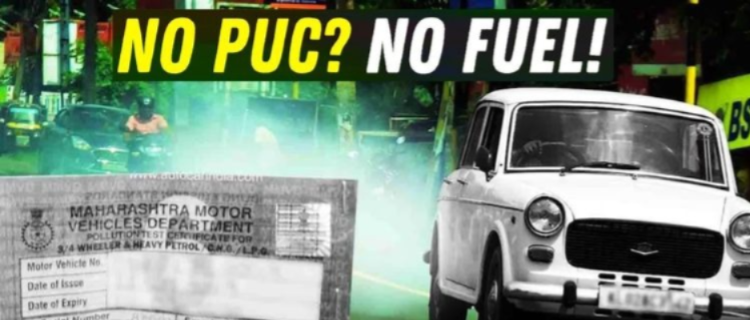
India’s fight against rising air pollution has entered a stricter and more visible phase. Under the “No PUC, No Fuel” drive, authorities have started denying fuel to vehicles that do not have a valid Pollution Under Control (PUC) certificate. On the very first day of this drive, nearly 2,800 vehicles were denied fuel, clearly showing how serious the issue of non-compliance has become.
This initiative is part of India’s urgent response to worsening air quality, especially during the winter months when pollution levels spike sharply. The goal is simple but powerful: reduce harmful vehicle emissions and force regular vehicle maintenance to protect public health.
Why This Drive Was Needed Now
Every winter, many Indian cities experience severe air pollution. Vehicles running on petrol, diesel, or CNG contribute a large share of harmful gases released into the air. While emission rules already exist, many vehicle owners ignore PUC renewal because enforcement was weak.
The “No PUC, No Fuel” drive directly connects fuel access with emission compliance, making it impossible to overlook pollution norms. When fuel becomes conditional, responsibility becomes unavoidable.
What Is a PUC Certificate and Why It Matters
A PUC certificate confirms that a vehicle’s emissions are within legal limits set by the government. It checks gases like carbon monoxide and hydrocarbons that damage air quality and human health.
Over time, even well-maintained vehicles can start emitting more pollutants. Regular PUC checks help detect problems early, encouraging timely servicing and reducing pollution at the source.
What Happened on Day 1 of the Drive
On the first day of enforcement, authorities stationed teams at petrol pumps and checkpoints. Vehicles without a valid PUC certificate were denied petrol or diesel and, in many cases, fined.
The fact that 2,800 vehicles were stopped in just one day highlights how common PUC neglect had become. It also shows that this drive has the potential to create immediate impact.
How the Rule Works on the Ground
Under this policy:
- Vehicles must have a valid PUC certificate to refuel
Enforcement teams operate at petrol pumps and traffic checkpoints
Vehicles without PUC face fuel denial and fines
The rule supports wider emergency pollution-control measures
The system encourages compliance not through fear, but through accountability.
Impact on Daily Commuters and Families
For daily commuters, office-goers, delivery drivers, and families, this rule means one thing: PUC renewal can no longer be ignored. Forgetting to update it could leave you stuck at a fuel station.
However, the PUC process is quick, affordable, and widely available. Once people adjust to the routine, it becomes as normal as carrying a driving license or insurance papers.
Health Benefits That Often Go Unnoticed
Cleaner air directly improves quality of life. Reduced vehicle emissions mean fewer respiratory problems, better concentration for students, and improved well-being for elderly people.
Children are among the biggest beneficiaries. Cleaner surroundings help them grow healthier, learn better, and stay active—benefits that go far beyond traffic rules.
Challenges and Public Concerns
Some vehicle owners worry about inconvenience, especially in areas with limited PUC centers. Others fear confusion at petrol pumps. These concerns are valid and highlight the need for:
- Better access to PUC testing
- Clear communication
Digital systems and reminders
With proper planning, enforcement can remain strict without becoming stressful.
Why Awareness Is Just as Important as Enforcement
Rules alone cannot change habits unless people understand why they exist. Awareness plays a huge role in long-term success.
Automobile platforms like carjd.com help simplify complex auto rules, vehicle maintenance tips, and policy updates for everyday readers. When people understand the reason behind a rule, compliance becomes easier and more natural.
A Step Toward Cleaner Transport
The “No PUC, No Fuel” drive is not a standalone solution. It works alongside other measures like electric vehicles, better public transport, cleaner fuels, and stricter emission norms.
Together, these steps push India toward a future with cleaner air and healthier cities.
FAQs
Q1. What happens if my vehicle does not have a valid PUC certificate?
You may be denied fuel at petrol pumps and could also face fines.
Q2. How often do I need to renew my PUC certificate?
Usually every 6 months, though this can vary depending on vehicle type and fuel.
Q3. Does this rule apply to two-wheelers as well?
Yes, both bikes and cars must have a valid PUC certificate.
Q4. Is getting a PUC certificate expensive?
No, PUC tests are affordable and usually take only a few minutes.
Q5. Will this drive really reduce pollution?
Yes, when combined with regular enforcement and public cooperation, it can significantly reduce vehicle-related pollution.
Final Thoughts
The No PUC, No Fuel drive sends a strong message: clean air is not optional. Denying fuel to non-compliant vehicles may feel strict, but it protects millions of people from long-term health risks. With awareness, proper infrastructure, and responsible citizens, this initiative can play a major role in making Indian roads—and skies—cleaner for everyone.