21 Jan 2026 • Payal
Mahindra XUV 3XO EV: Price, Range, and How It Stacks Up Against the Tata Nexon EV
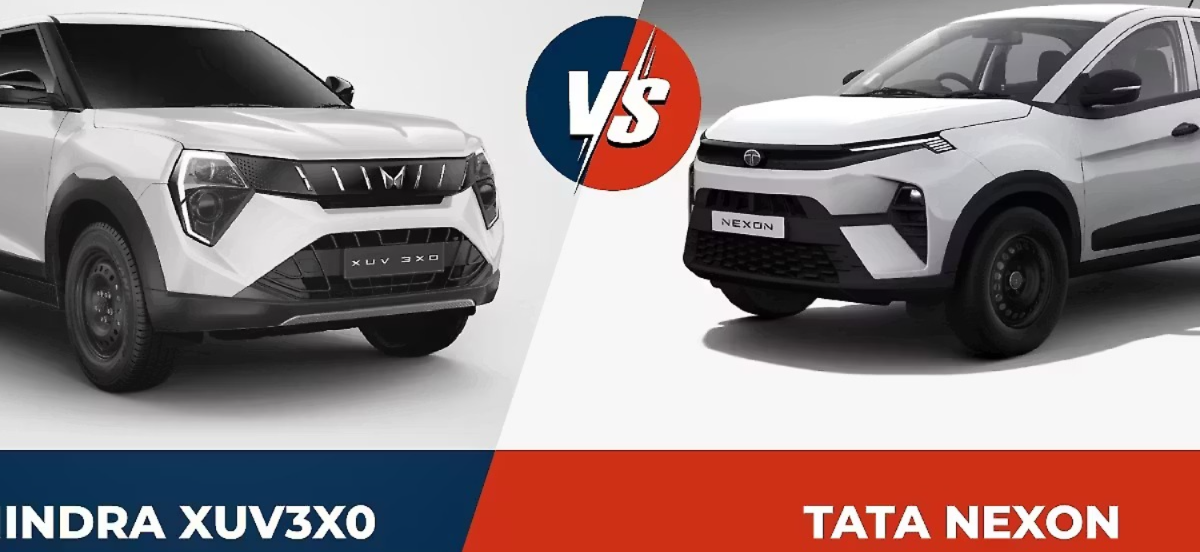
The Mahindra XUV 3XO EV is emerging as a strong contender in India’s compact electric SUV space. This blog breaks down its price, real-world range, features, and daily usability, while comparing it clearly with the Tata Nexon EV. With simple explanations and practical buying insights—along with smart comparison tips from CarJD.com—it helps buyers decide which electric SUV truly fits their needs.
Electric cars are no longer a niche. In India, compact electric SUVs have become the practical daily choice for many families — they’re easy to live with in the city, increasingly affordable, and packed with features. Two names that often come up in this segment are the Mahindra XUV 3XO EV (Mahindra’s latest compact electric SUV) and the ever-popular Tata Nexon EV. If you’re trying to decide between them — or just want to understand what the XUV 3XO EV offers — this guide explains everything in plain language.
Quick summary (if you want the short answer)
- The Mahindra XUV 3XO EV launched as a value-packed compact electric SUV with modern features and advanced driver assists, priced from roughly ₹13.89 lakh (ex-showroom) for the lower AX5 variant and about ₹14.96 lakh (ex-showroom) for the AX7L in India at launch.
- It uses a single 39.4 kWh battery pack and Mahindra quotes a real-world range of about 285 km (ARAI figure higher, but company guidance for practical use is ~285 km). Lab/claimed figures vary by test cycle.
- The Tata Nexon EV offers multiple battery choices (commonly a 30 kWh and a 45 kWh option historically, with Nexon EV variants offering up to ~489 km claimed for the larger pack), and its pricing starts lower on some trims (Nexon EV entry-level variants have been listed from around ₹12.49 lakh). The Nexon’s larger-battery variants deliver significantly higher claimed ranges.
- In short: XUV 3XO EV = attractive features + trusted brand + compact battery (good city car). Nexon EV = wider battery options, longer-range variants available, strong overall value. Which is “better” depends on how you use the car: city commuter vs longer highway driving, and which features or budget matter most to you.
Why the XUV 3XO EV matters (Mahindra’s playbook)
Mahindra has been one of the earlier mainstream Indian automakers to push electric cars for regular buyers. The XUV 3XO EV is significant because it packages contemporary features (radar-based ADAS, connected car tech, decent interior space) into a compact, family-friendly SUV shell — and it does this with relatively affordable pricing aimed at mass buyers.
Mahindra chose a pragmatic path: a single battery option (39.4 kWh) that balances cost, usable urban range and performance (the motor is rated around 110 kW / ~150 hp and ~310 Nm torque, giving brisk mid-range acceleration). That combination helps keep the car’s price competitive and makes it an easy daily driver for most city families. The company positions it as a practical EV for daily use rather than a long-distance range champion.
The XUV 3XO EV: what you get (specs and practical meaning)
Below I list the headline specs and explain them in plain words so the numbers make sense.
Price (ex-showroom, India, launch)
- AX5 — ~₹13.89 lakh (ex-showroom).
- AX7L — ~₹14.96 lakh (ex-showroom).
- These numbers are launch prices and vary by city and variant (on-road prices will be higher once registration, insurance and other costs are included). If you see dealer offers or introductory discounts those will change effective on-road cost.
Battery and real-world range
- Battery: 39.4 kWh (single option for XUV 3XO EV).
- Practical real-world range: Mahindra suggests around 285 km in everyday driving conditions; ARAI or WLTP lab numbers may be higher (some lab claims vary), but practical urban/highway mixed driving yields lower figures. In simple terms: if you drive only in the city and charge overnight, the XUV 3XO EV’s battery is sized well for daily family needs. If you plan frequent long highway trips, you’ll need to plan charging stops more often than with larger-battery EVs.
Performance and charging
- The motor produces strong torque (Mahindra lists figures around 110 kW / 310 Nm), which makes the car feel quick from standstill — useful for city overtakes and merging. Mahindra quotes 0–100 km/h in around 8.3 seconds for the EV.
- Charging: AC home charging (7.2 kW) will typically take several hours for a full charge (Mahindra notes standard charging times and offers optional chargers). DC fast charging support reduces 10–80% times to a matter of minutes depending on charger capability and peak acceptance. Exact real-world fast-charge times depend on local charger power and battery state of health.
Comfort & features
- The XUV 3XO EV keeps many modern creature comforts: a 10.25-inch touchscreen, digital cluster, Harman Kardon audio on certain trims, panoramic sunroof on higher trims, dual-zone climate control, connected-car tech (AdrenoX with Alexa features), and Level-2 ADAS features such as lane-keep assist and adaptive cruise control. These features make the car feel premium inside its price bracket.
Practical boot space & packaging
- The XUV 3XO’s dimensions and wheelbase are optimized for rear seat comfort — a useful detail if you carry family often. Some of Mahindra’s platform changes for the 3XO have improved legroom and rear comfort compared to earlier compact EVs. This helps make it a convincing family city car.
Tata Nexon EV: what it offers (simple overview)
The Tata Nexon EV is one of the best-known compact electric SUVs in India and has evolved with multiple battery options and trim choices. Important facts for
comparison:
Battery options and range
- Historically the Nexon EV has been offered with multiple battery sizes: a smaller ~30 kWh pack and a larger ~45 kWh or 40.5 kWh (varies by model year and variant). The larger pack variants (e.g., the 45 kWh) are often advertised with much higher claimed ranges (in some variants up to ~489 km claimed under ideal test cycles), and more commonly realistic daily ranges in the 300–400 km region depending on driving style and conditions. The availability of a long-range Nexon EV option is a major differentiator versus single-pack rivals.
Pricing
- Nexon EV pricing has varied by variant, but entry-level Nexon EV variants have been listed from roughly ₹12.49 lakh (ex-showroom) depending on the trim and battery pack. Higher-range (45kWh) Nexon variants with more features can cost more. Always check the Tata website and local dealers for the current exact pricing.
Charging and features
- The Nexon EV supports DC fast charging (10–80% in under an hour on suitable chargers for certain battery packs) and home AC charging (times depend on charger power and battery size). Tata’s Nexon EV carries strong, practical features and has recently offered ADAS on higher trims, premium infotainment, JBL audio and comfortable cabins in higher variants.
Head-to-head: Price, Range and Value (practical buyer view)
Now the simplest, most practical comparison points buyers use when choosing between these two cars.
1. Price (what you’ll pay at launch)
- Mahindra XUV 3XO EV: starts about ₹13.89 lakh (ex-showroom) for the AX5; AX7L around ₹14.96 lakh for higher trims. On-road prices will vary by city and can add ₹1–2+ lakh depending on taxes, registration and insurance.
- Tata Nexon EV: starts around ₹12.49 lakh for entry variants, but higher-tier Nexon EVs (long-range or ADAS-equipped trims) can command higher prices (₹13–17 lakh ex-showroom depending on spec).
Practical take: The Nexon EV can be cheaper on entry-level trims, but both brands offer variants across price points. If you want more range for highway use, Nexon’s larger-battery trims will often cost more but give significantly better long-distance usability.
2. Range (real life vs lab)
- XUV 3XO EV: 39.4 kWh battery, real-world guidance ~285 km (Mahindra’s stated practical figure) — good for daily city driving and occasional short trips; plan charging for long trips. Lab ARAI/WLTP numbers may be higher.
- Nexon EV: depends on pack — smaller pack ~275–325 km realistic; larger pack (45 kWh) offers significantly longer claimed ranges and more highway confidence (claimed figures up to ~489 km in lab tests for certain configs).
Practical take: If frequent long highway drives are your priority, the Nexon EV’s long-range variants have the edge. For city-first buyers who charge at home and do less intercity travel, the XUV 3XO EV’s battery size and practical range are often sufficient.
3. Features and equipment
Both cars offer modern connected features and ADAS on higher trims. The XUV 3XO EV brings a strong equipment list (panoramic sunroof on some trims, Harman Kardon audio on others, Level-2 ADAS) and a comfortable cabin. The Nexon EV’s higher trims include premium audio, comfortable seats and also ADAS on some recent variants. Test both in-person for fit/finish and feature feel — user experience matters more than ticked boxes on a spec sheet.
4. Charging convenience and infrastructure
- Both support AC home charging and DC fast charging. The Nexon EV’s larger packs typically accept fast charging at competitive rates and may be marginally quicker on AC charging depending on pack size. The XUV 3XO EV accepts fast charging and is positioned to work with India’s growing DC fast-charge network; expect comparable DC performance relevant to pack size. Real-world convenience depends more on charger density in your city and highways you travel.
5. After-sales, service network & resale
- Tata and Mahindra both have broad service networks in India, but Tata’s Nexon range has already proven resale demand given its early success. Mahindra’s dealer network and existing EV efforts give the XUV 3XO EV a strong service backbone too. Resale depends on market acceptance, battery care programs and how well the car holds value over several years. Always ask about battery warranty and service packages at purchase.
Using CarJD.com and other specialist sites for quick checks
- Feature tables (what each trim includes) so you can compare apples-to-apples.
- Range and charging tests — independent testers sometimes publish real-world range results that show what to expect.
- Owner feedback and comment threads that flag recurring issues early (helpful when a model is newly launched).
- Quick pros/cons lists and practical buying checklists you can take to the dealer (e.g., ask for battery warranty terms, check for home charger deals).
Real-world ownership: what life with the XUV 3XO EV looks like
If you buy the XUV 3XO EV and live in a city, here’s a realistic picture:
- Daily driving: You’ll likely charge overnight at home on a 7.2 kW home charger and have enough range for weekday commuting and weekend outings without daily worry. Mahindra’s quoted ~285 km practical range should cover 4–6 days of average city driving for many families before you need a top-up.
- Charging behaviour: For occasional long trips, quick charging stops will add some time to your travel plan. If you have access to fast chargers on your regular highways, you’ll be fine. If highways on your routes lack chargers, plan longer stops or prefer a longer-range Nexon EV variant.
- Running costs: EVs are cheaper to run per km than petrol cars; electricity cost vs petrol savings usually reduce your monthly running expenses. Service intervals for EVs are simpler (less mechanical wear), though check the brand’s service and battery-maintenance schedule.
Pros and cons (practical, not marketing)
XUV 3XO EV — Pros
- Good feature list for the price (ADAS, connected tech, premium audio on trims).
- Comfortable rear space and family-friendly packaging.
- Competitive pricing for a well-equipped compact EV.
XUV 3XO EV — Cons
- Single battery choice (39.4 kWh) means limited long-range flexibility for highway-focused buyers.
- Real-world range (~285 km) is fine for city use but less for long frequent intercity mileage.
Nexon EV — Pros
- Multiple battery options (including longer-range packs) give flexibility for those who need more highway confidence.
- Proven market acceptance and solid resale in many regions.
Nexon EV — Cons
- Long-range variants cost more; deciding which pack to buy depends on budget vs range needs.
Practical buying checklist (what to ask at the showroom)
Take this short, printable checklist to any dealer:
- Exact on-road price for the variant you want (including any EV incentives or state subsidies).
- Battery warranty terms: years/km and capacity retention threshold (e.g., warranty valid if capacity drops below X% within Y years).
- Home charger offers: is a 7.2 kW wall box included or offered at a discount? (Mahindra had optional chargers for a fee at launch.)
- Local service readiness: how many technicians at the local service center are EV-trained? Typical waiting period for scheduled service?
- Ask to test ADAS: verify how adaptive cruise, auto emergency braking and lane keep assist behave in real traffic on your test drive.
- Confirm charging speed at local DC chargers (some chargers in your area may be slower or faster than specs).
Frequently Asked Questions (FAQs)
Q: What is the Mahindra XUV 3XO EV’s real-world range?
A: Mahindra suggests a practical everyday range of about 285 km for the 39.4 kWh pack; lab/ARAI figures may be higher but real-world range will vary with driving style, climate and load.
Q: How much does the XUV 3XO EV cost?
A: Launch ex-showroom pricing was around ₹13.89 lakh for AX5 and ₹14.96 lakh for AX7L (higher trims). On-road prices will be higher after taxes and depending on city fees. Always check the dealer for current on-road quotes.
Q: How does the XUV 3XO EV compare to the Tata Nexon EV on range?
A: The XUV 3XO EV has a single ~39.4 kWh battery with ~285 km practical range; the Nexon EV offers multiple packs and the larger Nexon long-range variants provide substantially higher claimed ranges (in some test cycles up to ~489 km claimed for higher packs). If long highway range is a priority, Nexon’s larger-battery options are superior.
Q: Which car is cheaper to buy and run?
A: On entry-level trims, the Nexon EV can be cheaper (entry starting around ₹12.49 lakh depending on variant), but Mahindra’s XUV 3XO EV is competitive for its equipment level. Running costs for both EVs are lower than petrol cars — electricity cost per km is generally much less than petrol — but final cost of ownership depends on charging habits, local electricity tariffs and periodic service costs.
Q: Does the XUV 3XO EV support fast charging?
A: Yes — the XUV 3XO EV supports DC fast charging; the actual 10–80% time depends on the charger power available and battery state, but Mahindra reports fast-charge capability that makes occasional long-distance travel feasible with planning.
Q: Should I wait for owner reviews before buying?
A: If you want absolute certainty, waiting 6–12 months for owner feedback is sensible. However, if you need an EV now and your driving is mostly urban commute, the XUV 3XO EV is a strong, practical buy; Mahindra’s service network and the car’s features give buyers confidence. Use early professional reviews and owner threads (on sites like CarDekho, Autocar India, and CarJD) for the first impressions.
Final verdict — which should you pick?
If your priorities are city commuting, value-rich features, a comfortable family cabin and a competitive price, the Mahindra XUV 3XO EV is a very sensible choice. It brings modern tech, ADAS and a usable real-world range in a package that’s easy to live with daily.
If your priorities are long-distance range, flexibility in battery size and the option to choose a long-range variant, the Tata Nexon EV (specifically the larger-battery variants) will likely be better for you. The Nexon’s long-range trims make highway driving less dependent on frequent fast charging.
Both are solid choices; the best pick depends on your driving patterns (city vs intercity), budget, and which feature set you value most. Use CarJD.com or other comparison tools for a quick features grid, then test drive both cars in the trims you can afford — the real-world feel (seat comfort, visibility, ADAS behavior) often decides the winner for most buyers.