03 Jan 2026 • Payal
Is Extended Warranty Worth It for Indian Car Buyers? A Realistic and Honest Guide
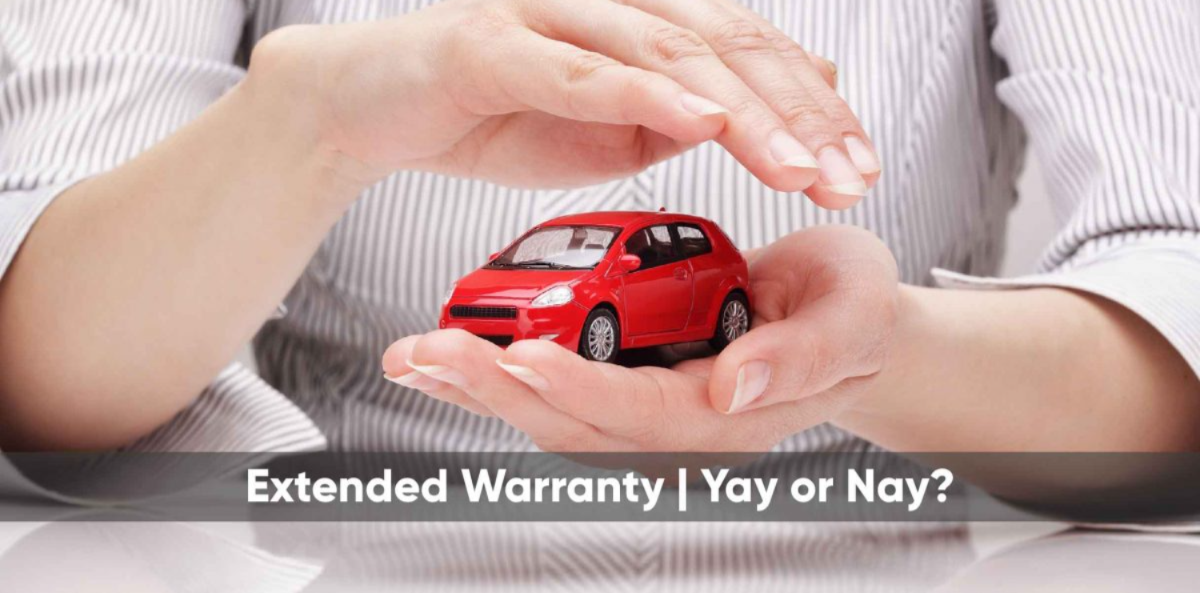
Extended warranty can be a smart safety net or an unnecessary expense—depending on how you use your car. This blog explains, in simple and human terms, what extended warranty really offers to Indian car buyers, when it makes sense, and when it doesn’t. With real ownership insights and perspectives from carjd.com, it helps buyers decide wisely based on driving habits, car type, and long-term ownership plans.
Buying a car in India is not just a financial decision—it’s an emotional one. For many families, a car represents comfort, safety, freedom, and years of hard-earned savings. Once the booking is done and delivery day arrives, buyers are usually in a happy, excited state. That’s exactly when another decision quietly slips in during paperwork:
“Would you like to take the extended warranty?”
Some buyers say yes immediately, thinking it’s safer. Others decline, believing it’s just another way for dealers to make money. The truth, however, lies somewhere in between. Extended warranty is neither useless nor compulsory—it depends entirely on you, your car, and how you plan to use it.
This blog explains extended warranty in simple, human words, without confusing technical language, so Indian car buyers can decide wisely.
Understanding Extended Warranty in Everyday Language
Every new car sold in India comes with a standard warranty, usually lasting two to three years. During this period, if a major mechanical or electrical part fails due to manufacturing issues, the company repairs or replaces it at no cost.
An extended warranty simply extends this protection for additional years—usually one to three more—after the standard warranty ends. Think of it as a safety net for the later years of ownership, when repair costs can suddenly rise.
It does not mean the car will never break down. It only means that if certain important parts fail, you won’t have to pay a huge amount from your pocket.
Why Extended Warranty Is Becoming More Relevant Today
Cars today are very different from cars a decade ago. Earlier, vehicles were mostly mechanical. Today, even affordable cars come loaded with electronics—touchscreens, sensors, ECUs, automatic gearboxes, connected car tech, and safety systems.
While these features improve comfort and safety, they also increase repair complexity and cost. A small electronic failure can sometimes cost tens of thousands of rupees. This is where extended warranty becomes relevant.
Indian buyers are slowly realising that owning a car is no longer just about fuel and service—it’s also about managing unexpected repair expenses.
Situations Where Extended Warranty Truly Makes Sense
Extended warranty usually proves valuable when the car is kept for a long ownership period, typically more than five years. Most major issues don’t show up in the first two years; they often appear later.
If you drive regularly, face heavy traffic, rough roads, or extreme weather conditions, wear on components increases. Automatic cars, turbo-petrol engines, and diesel vehicles with advanced emission systems are especially expensive to repair.
For such buyers, extended warranty offers peace of mind. Even one major repair covered under warranty can recover the full cost of the extended plan.
When Extended Warranty May Not Be Worth It
Not every buyer needs extended warranty. If you upgrade your car frequently—every three or four years—you may never even reach the extended warranty period. In such cases, paying extra upfront may not bring much benefit.
Also, extended warranty does not cover everything. Many buyers misunderstand this. Parts like clutch plates, brake pads, tyres, batteries, and suspension wear are usually excluded. These are considered normal wear-and-tear items.
If a buyer assumes extended warranty covers “everything,” disappointment is inevitable. Understanding coverage terms is crucial.
Cost vs Reality: Is It Expensive?
Extended warranty prices in India generally range from ₹10,000 to ₹40,000, depending on the car segment. For budget hatchbacks, it’s relatively affordable. For premium or automatic cars, it costs more—but so do repairs.
Replacing an ECU, infotainment system, or automatic gearbox can cost far more than the warranty itself. From this angle, extended warranty often feels like a sensible hedge against future expenses.
The real value lies not in how often you use it, but in the stress it saves when something goes wrong.
Real Ownership Insight from carjd.com
Automotive platforms like carjd.com often share real ownership experiences where extended warranty has either saved owners from massive repair bills or felt unnecessary due to limited usage. These stories show that there is no universal answer.
carjd.com highlights a key truth: extended warranty works best when aligned with your driving habits, ownership duration, and car type. Reading such real-life experiences helps buyers move beyond sales pitches and make balanced decisions.
Does Extended Warranty Improve Resale Value?
Yes, it often does—especially in the Indian used-car market. A car with active extended warranty feels safer to second-hand buyers. It builds trust and reassures them that major repairs are still covered.
While it may not dramatically increase resale price, it can make your car easier and faster to sell, which is equally valuable.
Emotional Side of the Decision
Many Indian buyers choose extended warranty not because they expect something to break, but because they want mental peace. Knowing that major issues are covered helps owners enjoy the car without constant worry.
Others prefer taking risks and saving money upfront, trusting their driving style and maintenance habits. Both mindsets are valid.
What matters is making the decision consciously—not out of fear or pressure.
Final Verdict: Should You Buy Extended Warranty?
Extended warranty is worth it if you:
- Plan to keep your car for many years
- Drive frequently or in tough conditions
- Own an automatic or feature-rich car
- Want predictable ownership costs
It may not be necessary if you:
Change cars frequently- Drive very little
- Prefer lower upfront costs
Extended warranty is not about pessimism—it’s about preparation.
FAQs – Extended Warranty for Indian Car Buyers
Does extended warranty cover all parts of the car?
No. It mainly covers major mechanical and electrical components, not wear-and-tear items.
Is extended warranty transferable to a new owner?
In most cases, yes. This adds trust during resale.
Can extended warranty be purchased later?
Some brands allow it before standard warranty expires. Others require purchase at the time of buying.
Is extended warranty the same as service package?
No. Service packages cover routine maintenance. Extended warranty covers unexpected failures.
Is extended warranty compulsory in India?
No. It is optional and entirely the buyer’s choice.
Closing Thought
Extended warranty is neither a trap nor a miracle solution. It’s simply a tool. When chosen wisely, it can make car ownership smoother and less stressful. When chosen blindly, it may feel unnecessary.
Understand your car, your usage, and your future plans—and then decide calmly. That’s the smartest way to buy peace of mind.