14 Feb 2026 • Payal
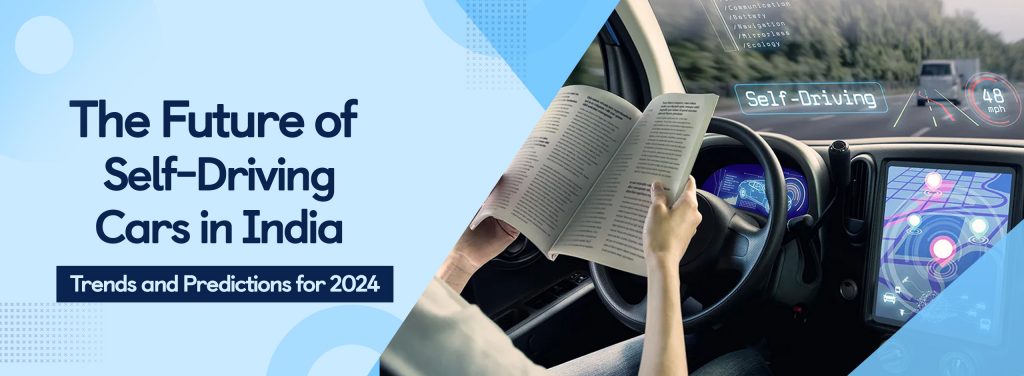
Future of Self-Driving Cars in India
Self-driving cars are set to transform the future of mobility in India by improving road safety, reducing traffic congestion, and enhancing driving convenience. Powered by artificial intelligence and smart sensors, autonomous vehicles promise a smarter transportation system. Explore the latest updates and innovations in car technology by visiting carjd.com.
Introduction: A New Era of Mobility
The automobile industry is undergoing one of the biggest transformations in its history. For more than a century, cars have required human drivers to control speed, direction, and safety. However, the rapid advancement of technology is now changing this reality. Self-driving cars, also known as autonomous vehicles, are becoming a major topic of discussion across the world. These vehicles use advanced sensors, artificial intelligence, and smart software to drive without human intervention.
In India, where traffic conditions are complex and road systems are diverse, the idea of self-driving cars once seemed unrealistic. But today, with growing technological innovation and digital infrastructure, the future of autonomous vehicles in India is slowly becoming a possibility. While fully self-driving cars are not yet common on Indian roads, the foundation for this transformation is already being built.
The future of self-driving cars in India is not just about convenience. It represents a major shift in transportation, safety, urban planning, and the overall driving experience. Understanding how this technology works and how it may impact India in the coming years helps us see how mobility is evolving.
Understanding Self-Driving Car Technology
Self-driving cars operate using a combination of artificial intelligence, sensors, cameras, and navigation systems. These vehicles continuously scan their surroundings, detect obstacles, and make driving decisions in real time. Unlike traditional vehicles, which depend entirely on human control, autonomous cars can manage acceleration, braking, steering, and route planning automatically.
The core technology behind self-driving vehicles is artificial intelligence. AI systems analyze data from multiple sources such as road conditions, traffic signals, and nearby vehicles. By processing this information, the car can predict possible risks and respond safely.
Modern self-driving systems also rely on high-precision maps and GPS navigation. These maps allow vehicles to understand road layouts, traffic patterns, and environmental factors. Combined with machine learning, the system continuously improves its performance over time.
Current Status of Self-Driving Cars in India
Although fully autonomous vehicles are not yet available in India, several developments indicate progress in this field. Many modern cars already include semi-autonomous features such as adaptive cruise control, automatic braking systems, lane-keeping assistance, and parking assistance.
These features represent the early stages of self-driving technology. They help drivers maintain safety while reducing the effort required to operate vehicles. Over time, these systems will become more advanced and eventually lead to fully autonomous driving capabilities.
Automobile companies and technology firms are actively researching autonomous vehicle solutions suitable for Indian conditions. Platforms like carjd.com frequently highlight these developments, providing valuable insights into emerging car technologies and future mobility trends.
Benefits of Self-Driving Cars in India
The future of self-driving cars in India offers several potential benefits. One of the most significant advantages is improved road safety. Human error is responsible for the majority of traffic accidents. Autonomous vehicles can reduce accidents by eliminating distractions, fatigue, and reckless driving.
Another important benefit is traffic efficiency. Self-driving cars can communicate with each other and coordinate movements, reducing congestion and improving traffic flow. This is particularly important in India’s crowded urban environments.
Autonomous vehicles also have the potential to make transportation more accessible. Elderly individuals, people with disabilities, and those who cannot drive may gain greater independence through self-driving technology.
Challenges Facing Self-Driving Cars in India
Despite the promising future, several challenges must be addressed before self-driving cars become common in India. One major challenge is road infrastructure. Indian roads often include unpredictable elements such as pedestrians, animals, and varying traffic behavior. Autonomous systems must be capable of handling these complex conditions.
Another challenge is regulatory approval. Governments need to establish clear laws and safety standards for autonomous vehicles. Without proper regulations, large-scale adoption may be delayed.
Public acceptance is also an important factor. Many people still feel uncertain about trusting machines to drive vehicles. Building confidence in autonomous technology will require time and successful real-world demonstrations.
Impact on Transportation and Urban Development
The introduction of self-driving cars is expected to transform transportation systems in India. Cities may experience reduced traffic congestion, lower accident rates, and more efficient road usage. Autonomous ride-sharing services could become common, reducing the need for personal vehicle ownership.
Parking infrastructure may also change significantly. Self-driving cars can drop passengers at their destinations and park themselves in designated areas, reducing the demand for parking space in crowded city centers.
Economic Opportunities and Industry Growth
The growth of autonomous vehicle technology will create new economic opportunities. Industries related to software development, sensor manufacturing, data analytics, and AI engineering will expand rapidly.
India’s strong IT sector positions the country well to become a major contributor to autonomous vehicle technology. Companies are already investing in research and innovation to develop solutions tailored to local conditions.
Automotive information platforms like carjd.com play an important role in educating consumers about these advancements and helping them stay informed about future vehicle technologies.
Environmental Impact of Self-Driving Cars
Self-driving cars can also contribute to environmental sustainability. By optimizing driving patterns, reducing traffic congestion, and improving fuel efficiency, autonomous vehicles can lower emissions.
Many future self-driving cars are expected to be electric, which will further reduce pollution and support India’s transition toward greener transportation.
The Role of Artificial Intelligence in Autonomous Driving
Artificial intelligence is the foundation of self-driving technology. AI enables vehicles to process vast amounts of data, recognize patterns, and make intelligent decisions. Over time, AI systems learn from experience, improving accuracy and safety.
Continuous advancements in AI will play a crucial role in making autonomous vehicles more reliable and adaptable to Indian road conditions.
The Future Timeline of Self-Driving Cars in India
Experts believe that fully autonomous vehicles may take several years to become widely available in India. Initially, semi-autonomous features will continue to improve, followed by limited autonomous zones in controlled environments.
As infrastructure, regulations, and technology mature, self-driving cars may eventually become a common part of daily life in India.
Conclusion
The future of self-driving cars in India represents a transformative shift in transportation. While challenges remain, technological advancements, growing infrastructure, and increasing awareness are paving the way for autonomous mobility.
Self-driving cars have the potential to improve road safety, reduce congestion, enhance accessibility, and support environmental sustainability. Platforms like carjd.com continue to provide valuable information about emerging automotive trends, helping people understand how the future of mobility is evolving.
As technology continues to advance, self-driving cars may soon move from concept to reality on Indian roads, redefining how people travel and experience transportation.
FAQs
What are self-driving cars?
Self-driving cars are vehicles that use AI, sensors, and software to operate without human control.
Are self-driving cars available in India?
Fully autonomous cars are not yet available, but many vehicles include semi-autonomous features.
What are the benefits of self-driving cars?
They improve safety, reduce traffic congestion, and provide greater accessibility.
What challenges do autonomous cars face in India?
Road conditions, regulations, infrastructure, and public acceptance are major challenges.
Where can I learn more about car technologies?
You can visit carjd.com to explore the latest automotive trends and innovations.