28 Feb 2026 • Payal
Common Car Problems and How to Fix Them
Car problems can happen anytime, whether you drive a used car or one of the latest new cars. This detailed guide explains common car issues like engine trouble, overheating, brake problems, and low mileage in simple words, along with practical solutions. Learn how regular maintenance can save money and prevent breakdowns. For expert tips, updates, and the latest car news, visit carjd.com.
A Complete, Practical Guide for Every Car Owner
Owning a car brings convenience, freedom, and comfort. Whether you drive daily for office, take family road trips, or use your vehicle occasionally, your car becomes an important part of your life. But along with convenience comes responsibility. Cars, whether they are brand-new models or a carefully chosen used car, can develop problems over time.
Many car owners feel stressed the moment something goes wrong. A strange sound, a warning light, or difficulty starting the engine can immediately create panic. However, most common car problems are manageable if identified early and handled properly. Understanding your vehicle helps you save money, avoid breakdowns, and extend the life of your car.
In this detailed and easy-to-understand guide, we will discuss the most common car problems, their causes, and practical ways to fix or prevent them. Whether you are maintaining new cars or a used car, this blog will help you feel more confident as a car owner. And for the latest car news, detailed reviews, buying guides, and expert tips, always remember to visit carjd.com for reliable information.
Car Not Starting – The Most Common Problem
Few things are more frustrating than getting into your car, turning the key or pressing the start button, and realizing that the car simply won’t start. This situation is very common and can happen to anyone.
In most cases, the problem is related to the battery. Car batteries have a limited lifespan, usually around three to five years. If the battery is old, weak, or accidentally drained because lights were left on, the engine may fail to start. Sometimes you may hear a clicking sound when you try to start the car. That is often a sign of a low battery.
The simplest solution is jump-starting the vehicle using jumper cables and another car. After the car starts, it is important to drive for some time to recharge the battery. However, if the battery repeatedly loses charge, replacing it may be necessary.
Sometimes, the issue may not be the battery. It could be a faulty starter motor or a fuel supply problem. In such cases, professional inspection is required.
Regular battery checks and servicing help avoid this problem, especially in older used car models.
Engine Overheating – A Serious Warning
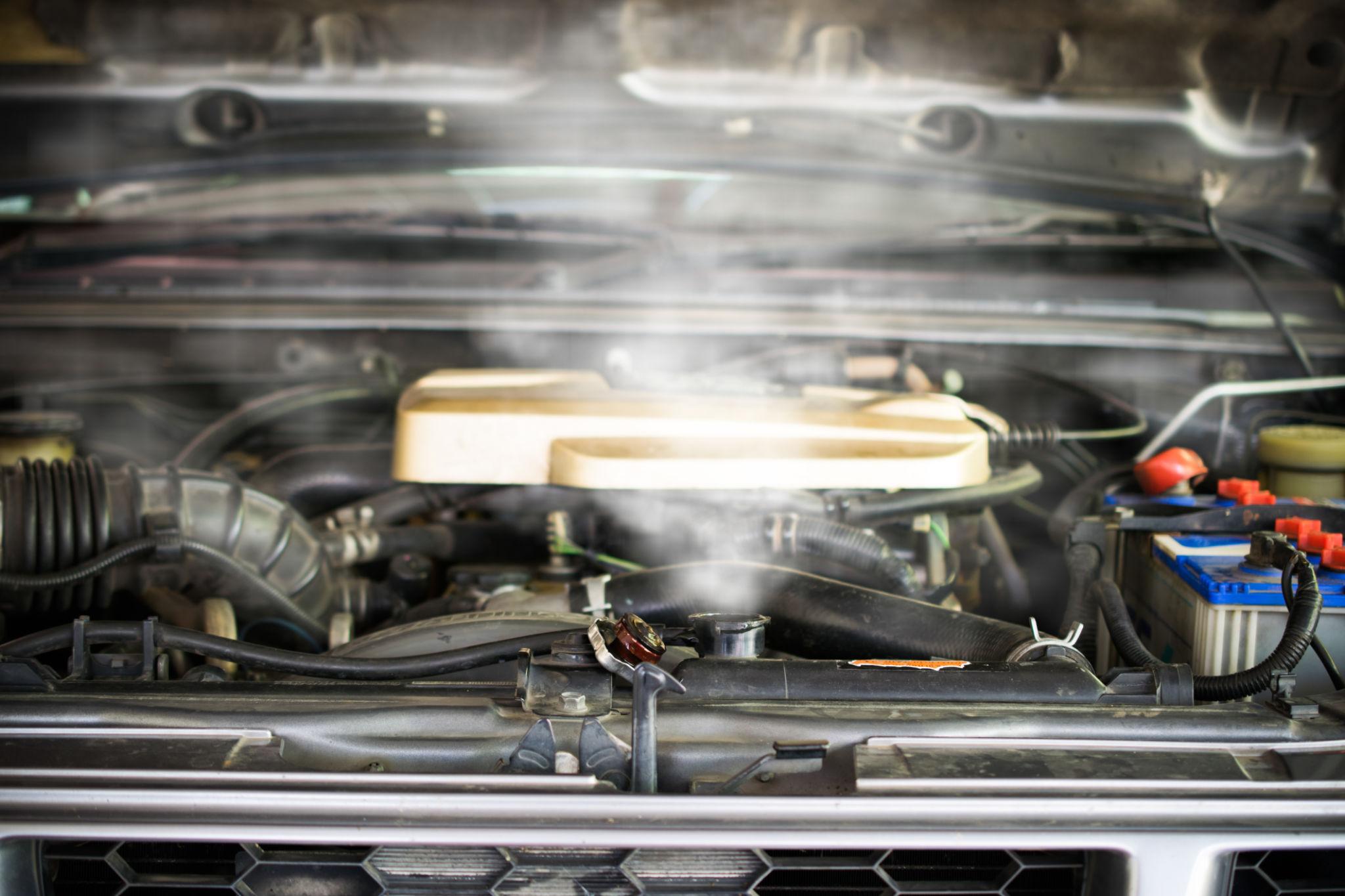
Engine overheating is a problem that should never be ignored. If your car’s temperature gauge rises unusually high or you see steam coming from under the hood, you must act immediately.
The engine depends on coolant to maintain a safe operating temperature. If coolant levels drop due to leakage or evaporation, the engine may overheat. A damaged radiator, broken cooling fan, or faulty thermostat can also cause overheating.
If this happens, pull over safely and turn off the engine. Do not open the radiator cap while the engine is hot, as hot coolant can cause burns. Allow the engine to cool down completely before checking coolant levels.
Refilling coolant may temporarily solve the issue, but if overheating continues, it is essential to visit a mechanic. Ignoring overheating can lead to severe engine damage and expensive repairs.
Regularly checking coolant levels and servicing the cooling system prevents such risks in both new cars and used car models.
Strange Noises While Driving
Cars often communicate problems through sound. If you start hearing unusual noises while driving, it is important to pay attention.
A squealing sound when pressing the brake pedal usually indicates worn brake pads. Ignoring this can damage brake discs and increase repair costs. A knocking sound from the engine may signal issues with engine components. Clicking sounds while turning may indicate problems with the CV joints.
Strange noises are rarely harmless. They are early warnings. Addressing them quickly prevents further damage and ensures safety.
For helpful car maintenance advice and regular updates about common vehicle issues, visit carjd.com and stay informed with the latest car news.
Dashboard Warning Lights
Modern vehicles come equipped with various sensors. When something is wrong, the dashboard displays warning lights.
The most common is the check engine light. While it can indicate a minor issue like a loose fuel cap, it may also signal serious engine trouble.
If the check engine light appears, first ensure that the fuel cap is properly tightened. If the light remains on, a diagnostic scan is necessary. Many service centers can quickly identify the problem using an OBD scanner.
Ignoring warning lights is never a good idea. They are designed to alert you early before a small issue becomes major.
Decreased Fuel Efficiency
If your car suddenly consumes more fuel than usual, it may indicate an underlying issue.
Dirty air filters can restrict airflow to the engine, reducing efficiency. Under-inflated tires increase rolling resistance and consume more fuel. Poor driving habits like sudden acceleration and heavy braking also reduce mileage.
Regular maintenance, smooth driving, and timely servicing improve fuel efficiency significantly.
Whether you own one of the latest new cars or a pre-owned used car, maintaining fuel efficiency saves money and enhances performance.
Brake Problems – Never Ignore Them
Brake issues can be dangerous. If you feel vibrations while braking, hear squeaking noises, or notice that the car takes longer to stop, it is time to inspect the brakes.
Brake pads wear down naturally over time. Replacing them when necessary ensures safety and prevents damage to other brake components.
Routine inspection during servicing keeps the braking system reliable.
Flat Tires and Tire Wear
Flat tires are common, especially on rough roads. Sharp objects, potholes, or worn-out tires can cause punctures.
Learning how to change a tire is a valuable skill. Always keep a spare tire and necessary tools in your car.
Checking tire pressure regularly improves safety, fuel efficiency, and tire lifespan.
Uneven tire wear may indicate alignment or suspension issues. Addressing them early prevents bigger problems.
Oil Leaks and Low Engine Oil
Engine oil lubricates moving parts and prevents overheating. If you notice oil stains under your parked car, it may indicate a leak.
Low oil levels can cause severe engine damage. Check oil levels regularly and top up when necessary.
Timely oil changes are one of the simplest ways to protect your engine.
Air Conditioning Problems
In hot climates, a functioning AC is essential. If your car’s air conditioning stops cooling properly, it may be due to low refrigerant levels, clogged filters, or compressor issues.
Regular AC servicing ensures comfort during summer drives.
Transmission Issues
Transmission problems can feel serious. If your car jerks while shifting gears or struggles to accelerate smoothly, it may indicate transmission trouble.
Early inspection prevents expensive repairs.
Preventive Maintenance Is the Key
The best way to avoid major car problems is preventive maintenance. Regular servicing, oil changes, coolant checks, brake inspections, and tire monitoring keep your vehicle in good condition.
Staying informed about vehicle care is equally important. Reading expert advice and car news helps you understand new technologies and common issues. For trustworthy updates, reviews, and buying tips, visit carjd.com regularly.
Advice for Used Car Owners
If you own a used car, maintenance becomes even more important. Always check service history before buying. Inspect the engine, brakes, suspension, and transmission carefully.
With proper care, a used car can perform as reliably as new cars.
Frequently Asked Questions (FAQs)
What is the most common car problem?
Battery failure and flat tires are among the most common issues car owners face.
How often should a car be serviced?
Typically every six months or according to the manufacturer’s schedule.
Is buying a used car a good decision?
Yes, if inspected properly and purchased from a reliable source, a used car can offer excellent value.
How can I improve fuel efficiency?
Maintain tire pressure, change air filters regularly, drive smoothly, and follow regular servicing schedules.
Where can I find reliable car news and reviews?
You can visit carjd.com for updated car news, reviews, comparisons, and buying guides.
Final Thoughts
Car problems are a natural part of vehicle ownership. The key is not to panic but to understand, inspect, and act early. Small issues, when addressed quickly, prevent expensive breakdowns.
Whether you drive new cars or a used car, regular maintenance and awareness are essential. Stay proactive. Stay informed.
And for reliable car news, expert maintenance advice, and helpful buying guides, always visit carjd.com.
Taking care of your car means taking care of your safety, comfort, and peace of mind.