26 Feb 2026 • Payal
Car Maintenance Tips Every Car Owner Should Know
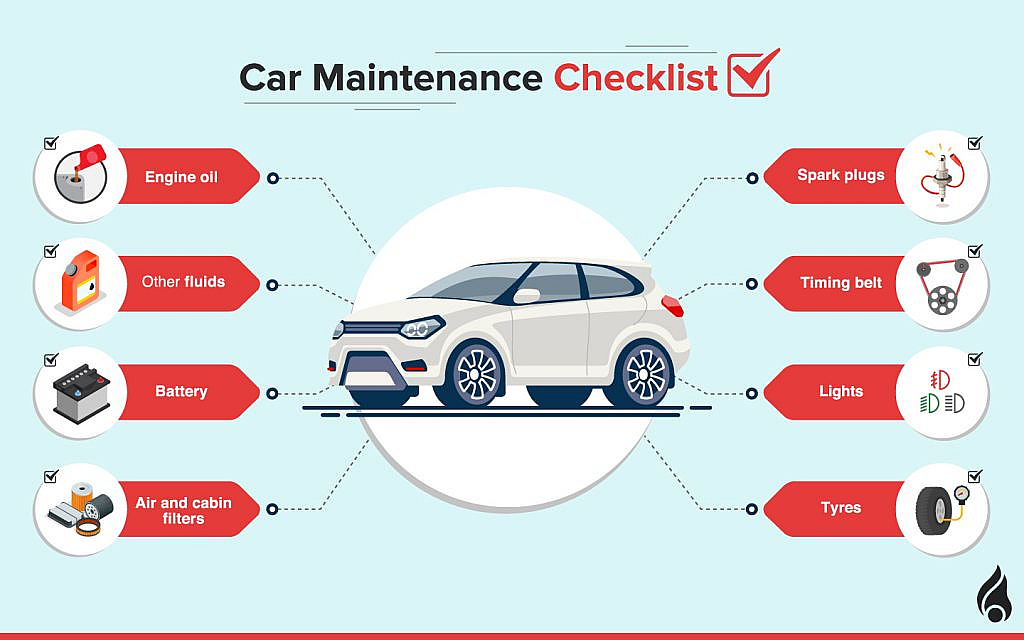
Car maintenance is essential for safety, performance, and long-term savings. From regular engine oil changes and tire pressure checks to brake inspections and coolant monitoring, small efforts can prevent major repairs. This detailed guide explains practical maintenance tips every car owner should follow to keep their vehicle reliable and efficient. For expert insights and best cars reviews before buying your next car, visit carjd.com and make informed decisions.
Owning a car is more than just enjoying smooth drives, long road trips, or daily convenience. A car is a machine made up of thousands of moving parts working together in perfect coordination. Just like our body needs regular checkups to stay healthy, a car needs consistent care to stay reliable and safe. Many people invest time in choosing the right vehicle, comparing models, and reading best cars reviews before buying. But once the car is parked in the driveway, regular maintenance often becomes an afterthought.
If you truly want your car to perform well for years, maintain fuel efficiency, avoid sudden breakdowns, and preserve resale value, you must understand basic maintenance principles. Whether you drive a compact hatchback, a family sedan, a powerful SUV, or a luxury vehicle, maintenance is the key to long-term satisfaction.
If you are researching vehicles or planning to upgrade soon, it is always wise to visit carjd.com where you can explore detailed comparisons and best cars reviews that also discuss long-term ownership and maintenance insights.
Let us now understand car maintenance in a detailed, simple, and practical way.
Understanding the Importance of Regular Maintenance
Cars may look strong from the outside, but internally they are sensitive machines. The engine operates under high temperature. Brakes face intense friction. Tires handle weight and road pressure. Fluids circulate constantly. If even one system fails, it can affect overall performance.
When maintenance is ignored, small problems slowly turn into expensive repairs. A slightly low oil level can damage engine components over time. Neglecting brake pads can reduce stopping power and compromise safety. Driving with improper tire pressure can affect mileage and increase tire wear.
Regular maintenance does not only protect your car; it protects your wallet and your safety. A well-maintained car consumes less fuel, requires fewer repairs, and performs smoothly.
Engine Oil: The Lifeline of Your Car
The engine is the heart of your vehicle. It contains many moving parts that rub against each other at high speeds. Engine oil reduces friction, prevents overheating, and keeps components clean.
Over time, oil becomes dirty and loses its lubrication ability. When this happens, metal parts start wearing out faster. That is why oil must be checked regularly and replaced according to the manufacturer’s schedule.
Most cars require oil changes between 5,000 to 10,000 kilometers, depending on driving conditions. If you often drive in heavy traffic, dusty roads, or extreme temperatures, you may need more frequent changes.
Ignoring oil changes is one of the biggest mistakes car owners make. It may not show immediate damage, but over time it shortens engine life significantly.
Tire Care: More Than Just Air Pressure
Tires are your car’s direct connection with the road. They influence handling, braking, comfort, and fuel efficiency. Proper tire care improves safety and driving confidence.
Maintaining correct tire pressure is essential. Underinflated tires increase fuel consumption and wear out quickly. Overinflated tires reduce grip and make the ride uncomfortable.
Check tire pressure at least twice a month and before long journeys. Also, inspect tires for uneven wear patterns. Uneven wear may indicate alignment issues or suspension problems.
Rotating tires every 8,000 to 10,000 kilometers ensures even wear. Balanced tires improve steering control and extend tire life.
Brake System: Your Primary Safety Shield
Brakes are perhaps the most critical safety feature in your car. A properly functioning brake system ensures you can stop the vehicle quickly and safely.
If you notice unusual sounds while braking, such as squealing or grinding, do not ignore them. These sounds usually indicate worn brake pads. Vibrations during braking may suggest warped brake discs.
Delaying brake repairs can damage other components and increase repair costs. Regular brake inspections during service visits are necessary for safety.
Battery Health and Electrical System
Car batteries usually last between three to five years. However, extreme weather conditions and frequent short drives can reduce battery life.
If your car struggles to start or headlights appear dim, your battery may be weakening. Check battery terminals for corrosion and ensure connections are tight.
Modern cars rely heavily on electronics. From infotainment systems to engine sensors, everything depends on stable electrical supply. Maintaining battery health ensures uninterrupted performance.
Coolant and Temperature Control
Engines produce heat when operating. The cooling system prevents overheating by circulating coolant through the engine.
Low coolant levels can lead to engine overheating, which may cause serious internal damage. Always check coolant levels periodically and refill using the recommended type.
Overheating is one of the most common causes of engine failure, yet it is easily preventable with proper monitoring.
Air Filters and Engine Breathing
An engine needs clean air to burn fuel efficiently. Air filters prevent dust and debris from entering the engine.
When air filters become clogged, fuel efficiency drops and engine performance decreases. Replacing air filters regularly ensures smooth acceleration and better mileage.
Driving in dusty environments may require more frequent filter replacements.
Transmission Care and Smooth Driving
The transmission system transfers engine power to the wheels. Whether your car has manual or automatic transmission, proper care is essential.
Changing transmission fluid at recommended intervals keeps gear shifts smooth and prevents overheating. Rough shifting or slipping gears may indicate transmission issues.
Aggressive driving, such as sudden acceleration or harsh braking, increases stress on the transmission. Driving smoothly reduces wear and improves overall longevity.
Keeping the Car Clean and Protected
Cleaning your car is not just about appearance. Dirt, mud, and salt can cause rust over time, especially in humid or coastal areas.
Regular washing removes contaminants that damage paint. Applying wax creates a protective layer that preserves shine and prevents fading.
Interior cleaning maintains hygiene and protects upholstery. Dust buildup can damage dashboard materials over time.
Well-maintained cars look better and command higher Car resale value. If you read best cars reviews on carjd.com, you will notice that resale value often depends on maintenance history.
Fuel Quality and Driving Habits
Using high-quality fuel ensures efficient combustion and engine cleanliness. Poor fuel can leave deposits inside the engine and reduce performance.
Driving habits also affect maintenance needs. Smooth acceleration, gradual braking, and steady speeds reduce strain on engine components.
Aggressive driving may feel exciting but increases long-term repair costs.
Importance of Scheduled Servicing
Manufacturers provide service schedules based on engineering research. These schedules include inspections, fluid replacements, and system checks.
Skipping scheduled service might save money temporarily but often leads to bigger expenses later.
Regular servicing ensures small problems are detected early before they turn serious.
Weather-Based Maintenance
Extreme weather conditions affect vehicles significantly.
During summer, engines heat up faster. Parking in shaded areas and checking coolant levels helps protect the engine.
During winter, batteries may weaken, and tire pressure may drop. Regular checks become even more important.
Understanding seasonal impacts keeps your car prepared year-round.
Emergency Preparedness
Every car should carry an emergency kit including a spare tire, jack, first-aid kit, and basic tools.
Being prepared ensures safety during unexpected situations like flat tires or minor breakdowns.
Preparedness reduces panic and increases confidence during travel.
Long-Term Benefits of Proper Maintenance
Consistent maintenance provides long-term advantages. Your car will feel smooth, stable, and reliable. Fuel consumption will remain efficient. The engine will operate quietly. Unexpected breakdowns will be rare.
When it comes time to sell your vehicle, buyers prefer cars with full service records. A well-maintained car sells faster and at a better price.
If you are planning to purchase a vehicle known for reliability and low maintenance costs, visit carjd.com for best cars reviews and expert insights that include ownership experiences.
Choosing the Right Car with Maintenance in Mind
Not all cars have the same maintenance costs. Some brands offer affordable spare parts and wide service networks, while others may have higher service charges.
Before purchasing, research service intervals, warranty coverage, and average repair costs. Detailed comparisons and ownership insights available on carjd.com help buyers make informed decisions.
A wise purchase combined with proper maintenance ensures stress-free ownership.
Conclusion
Car maintenance is not complicated, but it requires consistency and awareness. Think of your vehicle as a long-term companion. When you care for it regularly, it rewards you with smooth performance, safety, and reliability.
Ignoring small issues may save time today but create problems tomorrow. A few minutes of checking fluids, tire pressure, and warning lights can prevent major repairs.
Whether you are a new car owner or an experienced driver, following these maintenance principles ensures your car stays in excellent condition.
And whenever you are planning to buy, compare, or upgrade your vehicle, make sure to visit carjd.com for best cars reviews, expert guidance, and detailed comparisons that help you choose wisely.
A well-maintained car is not just about transportation. It is about safety, savings, and peace of mind.
FAQs
Many car owners wonder how often they should service their vehicle. The answer depends on manufacturer recommendations, but generally every six months or 10,000 kilometers is advisable. Regular servicing keeps your car reliable and safe.
Another common question is whether oil changes are necessary even if the car feels smooth. Yes, oil degrades over time, and delaying changes can damage the engine.
People also ask whether washing the car frequently is beneficial. Regular cleaning protects paint and prevents rust, especially in dusty or coastal regions.
Some drivers question whether tire pressure really affects mileage. Properly inflated tires improve fuel efficiency and safety significantly.
Finally, many buyers ask where they can find honest vehicle comparisons before purchase. For reliable insights and best cars reviews, visiting carjd.com is a smart choice.
Maintaining your car consistently ensures safer drives, lower expenses, and better long-term value.