24 Jan 2026 • Payal
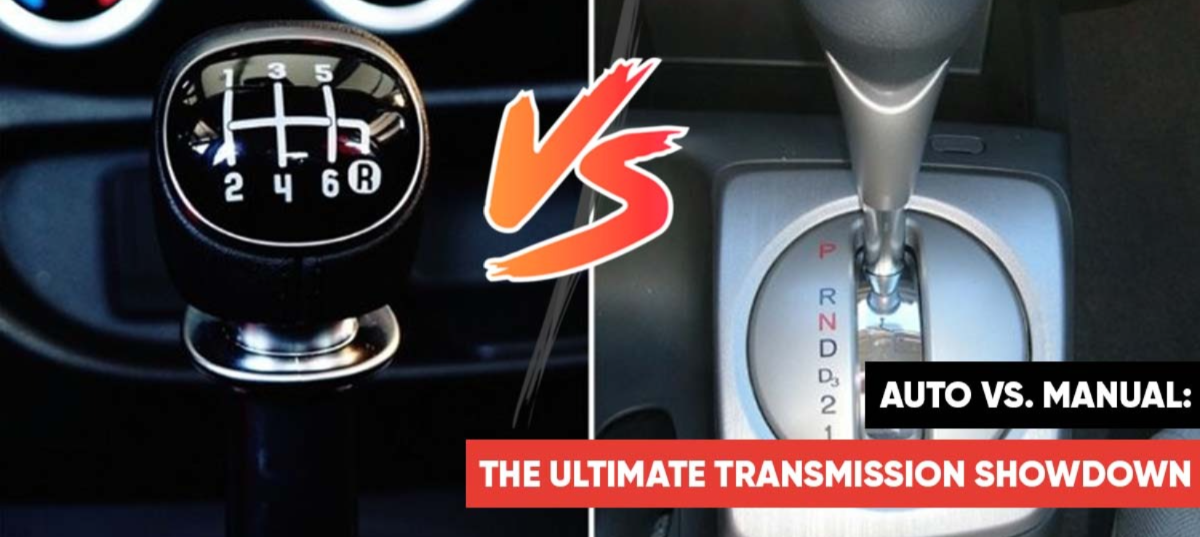
Automatic vs. Manual in 2026:* Why more Indians are ditching the clutch.
Manual cars once ruled Indian roads, but in 2026 more drivers are choosing automatic vehicles for comfort, ease, and stress-free driving. This blog explores why Indians are ditching the clutch, how traffic, technology, and lifestyle changes are driving the shift, and how platforms like carjd.com help buyers compare manual and automatic cars to make smarter, future-ready decisions.
For decades, driving in India meant one thing almost everyone accepted without question—manual cars. Learning to balance the clutch, accelerator, and gear stick was considered a rite of passage. Many drivers still remember the anxiety of stalling the car in traffic or rolling back on a slope. Manual driving wasn’t just common; it was seen as the only real way to drive.
But in 2026, something very clear is happening on Indian roads. More and more people are choosing automatic cars, and not just in big cities or luxury segments. From first-time car buyers to experienced drivers, from young professionals to senior citizens, Indians are increasingly saying goodbye to the clutch.
So what changed?
Is it just convenience, or is there a deeper shift in how Indians view driving today?
In this blog, we’ll explore the real reasons behind the rise of automatic cars in India, compare automatic and manual driving in simple, humanized words, and understand why 2026 feels like a turning point. We’ll also look at how platforms like carjd.com are helping buyers make smarter car decisions in this changing landscape.
How Manual Cars Became the Indian Default
To understand why automatics are rising, we need to understand why manuals ruled for so long.
Manual cars were cheaper to buy and easier to repair. Fuel efficiency mattered a lot in a price-sensitive market like India, and manual transmissions were considered more economical. Roads were rough, traffic rules were loosely followed, and drivers wanted full control over their vehicle.
There was also a mindset attached to manual driving. Many believed that real driving skill meant mastering the clutch. Automatic cars were often seen as “lazy” or “only for beginners.” This thinking stayed strong for years.
But the India of 2026 is very different from the India of 2006.
What Has Changed in Indian Driving Conditions
The first big change is traffic. Indian cities are more crowded than ever. Daily commutes that once took 20 minutes now take an hour or more. Stop-and-go traffic has become the norm, not the exception.
In such conditions, manual driving becomes physically tiring. Constant clutch use strains the left leg and increases fatigue. Over time, this doesn’t just feel uncomfortable—it affects mental focus and driving safety.
The second change is urban lifestyle. More Indians are driving daily, not occasionally. Cars are no longer weekend luxury items; they are essential tools for work, school, and family responsibilities. Comfort and ease now matter as much as mileage.
The third major change is technology. Automatic transmissions today are not the same as they were a decade ago. They are smoother, more fuel-efficient, and more reliable than ever before.
What Driving an Automatic Really Feels Like
People who have never driven an automatic often imagine it as boring or disconnected. In reality, the experience is very different.
Driving an automatic feels calmer. There is no constant thinking about gears. Your left foot rests, your right foot handles acceleration and braking, and your attention stays on the road instead of the gearbox.
In traffic, this difference becomes huge. Instead of repeatedly pressing the clutch, shifting gears, and managing engine response, the car does the work for you. This reduces stress and makes long drives far less exhausting.
Many drivers who switch to automatic say the same thing: “I didn’t realize how tiring manual driving was until I stopped doing it.”
Why 2026 Is the Turning Point for Automatics in India
The rise of automatic cars didn’t happen overnight. But 2026 feels like a tipping point for several reasons.
First, automatic options are now available in almost every segment. Earlier, automatics were mostly limited to premium cars. Today, even budget hatchbacks and compact SUVs offer automatic variants.
Second, fuel efficiency gaps have narrowed. Modern automatics like AMT, CVT, DCT, and torque converters are much more efficient than older versions. The difference in mileage between manual and automatic is often negligible for everyday driving.
Third, buyers are better informed. Platforms like carjd.com allow users to compare manual and automatic variants easily, understand real-world performance, and choose based on lifestyle rather than outdated myths.
Understanding the Different Types of Automatic Transmissions
Not all automatics are the same, and this is something Indian buyers are becoming more aware of.
Some automatics are designed for affordability, some for smoothness, and some for performance. Each has its own feel and purpose. In 2026, buyers are no longer just asking “manual or automatic?” They are asking, “Which automatic suits me best?”
carjd.com plays an important role here by breaking down these options in simple language, helping buyers understand what they’re actually paying for.
Manual Cars Still Have Their Place—but the Audience Is Shrinking
Manual cars are not disappearing completely. They still appeal to certain drivers.
Some people enjoy the mechanical involvement of shifting gears. Others drive mostly on highways where traffic is light and clutch use is minimal. In rural or hilly areas, manual cars are sometimes preferred for perceived control.
But the number of buyers who need a manual is reducing. For most urban drivers, the disadvantages of manual driving now outweigh the benefits.
In 2026, choosing a manual is more of a preference than a necessity.
Why New Drivers Prefer Automatics
First-time car buyers today are very different from previous generations. Many learn driving later in life, often while juggling jobs and family responsibilities. They don’t want a steep learning curve.
Automatic cars remove one major barrier to learning—clutch control. New drivers can focus on steering, traffic awareness, and road safety instead of worrying about stalling.
This confidence boost is a major reason why young buyers and even senior citizens are choosing automatics. carjd.com frequently highlights this trend in its buyer insights, showing how automatics are making driving accessible to more people.
The Role of Women Drivers in the Automatic Shift
Another important factor is the growing number of women drivers in India. As more women drive daily for work, errands, and family duties, comfort and ease become crucial.
Automatic cars reduce physical strain and make driving in traffic far less intimidating. This has encouraged many women to choose automatics as their first or next car.
This shift is not about gender—it’s about practicality. And it’s one of the reasons automatics are becoming mainstream rather than niche.
Cost Concerns: Are Automatics Still Expensive?
One of the biggest reasons Indians avoided automatics in the past was cost. Automatic variants were significantly more expensive.
In 2026, that gap has reduced considerably. While automatics still cost more upfront, the difference is often justified by comfort, convenience, and resale value.
Maintenance costs have also become more predictable as service networks gain experience with automatic systems. carjd.com often helps buyers calculate long-term ownership costs, making the decision clearer and more transparent.
Fuel Efficiency Myths That Refuse to Die
Many people still believe automatics “drink more fuel.” While this may have been true in the past, it’s no longer a universal truth.
Modern automatics are optimized for efficiency. In city traffic, automatics can sometimes be more efficient than manuals because they shift gears more consistently than humans.
By comparing real-world mileage data on carjd.com, buyers can see that the difference is often far smaller than expected.
How Automatics Are Changing Driving Habits
As automatics become common, driving behavior itself is changing. Drivers are calmer. Aggressive gear shifting is reduced. Focus shifts from vehicle control to road awareness.
This has safety implications too. Less fatigue and distraction can mean fewer mistakes, especially in dense traffic.
In 2026, driving is less about proving skill and more about reaching destinations safely and comfortably.
Resale Value and Future-Proofing Your Car Choice
Another reason people are choosing automatics is resale value. As demand increases, automatics are becoming easier to sell in the used car market.
Buyers are also thinking long-term. With electric vehicles on the rise—most of which don’t have manual gearboxes—the future clearly favors automatic-like driving.
Choosing an automatic today feels like aligning with where mobility is heading. carjd.com often emphasizes this future-readiness when helping buyers choose between variants.
Emotional Shift: Letting Go of the “Real Driver” Myth
Perhaps the biggest change is psychological.
Indians are slowly letting go of the idea that manual driving defines skill. Today, skill is seen as driving safely, calmly, and responsibly.
Automatic cars fit perfectly into this mindset. They don’t take control away from the driver—they reduce unnecessary effort.
In 2026, comfort is no longer seen as weakness. It’s seen as intelligence.
Frequently Asked Questions (FAQs)
Are automatic cars reliable in Indian conditions?
Yes. Modern automatic transmissions are designed to handle Indian traffic and weather conditions reliably.
Is an automatic good for first-time drivers?
Absolutely. Automatics make learning easier and reduce stress, especially in city traffic.
Do automatic cars cost more to maintain?
Maintenance costs have reduced significantly. With proper servicing, automatics are quite dependable.
Is manual driving better for highways?
Manuals can be enjoyable on open highways, but automatics perform just as well for long drives.
Which is better for city driving in 2026?
For most people, automatic cars are far more comfortable and practical in city conditions.
How can I choose between manual and automatic?
Platforms like carjd.com help compare real-world usage, costs, and comfort to make an informed decision.
Final Thoughts: Why Indians Are Choosing Ease Over Effort
The rise of automatic cars in India is not a trend—it’s a reflection of changing lives. Longer commutes, busier schedules, better technology, and a stronger focus on comfort have reshaped what people expect from driving.
In 2026, more Indians are ditching the clutch not because they can’t drive manuals, but because they don’t need to anymore.
Automatic cars make driving simpler, calmer, and more enjoyable. And with tools like carjd.com helping buyers understand their options clearly, making the switch has never been easier.
The road ahead is smoother—and for many Indians, it no longer requires a clutch pedal.