03 Dec 2025 • SuGanta International.
Hybrid Cars vs Electric Cars vs Petrol/Diesel: Which Makes More Sense in 2025 India?
In 2025, Indian car buyers face a big question — should they choose petrol, diesel, hybrid, or electric? Each option offers unique benefits in cost, performance, and convenience. While petrol and diesel remain familiar and reliable, hybrids bring better mileage, and EVs promise a cleaner, low-cost future. Learn which option fits your lifestyle, budget, and driving habits best — and get expert car reviews and buying guidance at CarJD.com
The Indian automobile market is going through one of its biggest transformations ever.
Gone are the days when buying a car was only about choosing between petrol and diesel. In 2025, car buyers in India now have more choices — petrol, diesel, hybrid, and fully electric cars — each designed for different needs, budgets, and lifestyles.
But with so many options, the big question is:
Which one actually makes sense for Indian drivers in 2025?
To answer that, let’s explore each option in detail — how they perform, their long-term costs, and what kind of buyer they suit best.
And if you want trusted, expert car reviews and honest comparisons before buying, you should definitely visit CarJD.com — your go-to destination for real-world car knowledge and buying guidance.
Petrol and Diesel Cars — Familiar, Reliable, but Fading Slowly
Petrol and diesel cars have ruled Indian roads for decades. They’ve been reliable, powerful, and easy to maintain. Almost every mechanic in the country can repair them, and refueling is quick and easy since petrol pumps are everywhere.
These cars are great for those who don’t want to worry about charging, battery life, or electricity supply. For long highway trips or rural driving, petrol and diesel cars still make sense.
However, the problem is cost and pollution. Fuel prices in India have skyrocketed, and traditional engines emit carbon and other harmful gases that contribute to air pollution.
With stricter emission norms and green policies, these cars are slowly losing favor among eco-conscious buyers.
So while petrol and diesel cars are practical for the short term, they might not be the most future-proof investment.
Electric Cars — The Future on Indian Roads
Electric cars (EVs) are the talk of the town. Brands like Tata, Hyundai, Mahindra, MG, and BYD have already introduced EVs for Indian buyers, and many more are on the way.
These cars run completely on battery power and don’t need petrol or diesel at all. That means zero emissions — making them the cleanest vehicles on the road.
They’re also incredibly quiet, smooth to drive, and full of advanced features.
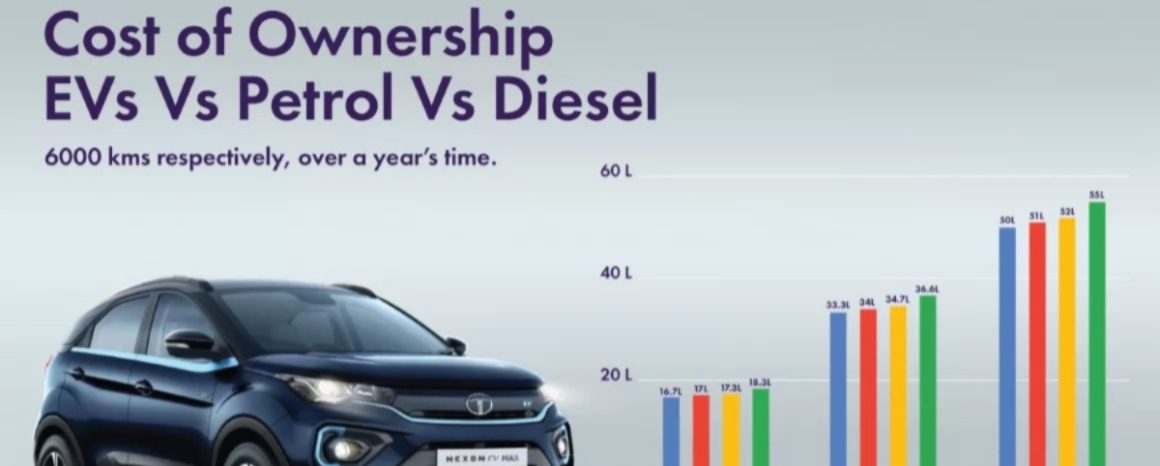
The biggest advantage of EVs is the low running cost — around ₹1 to ₹2 per kilometer — compared to ₹8–10 for petrol. So, over time, you save a lot of money on fuel.
However, electric cars have their challenges too. Their initial price is higher, mainly because of the expensive lithium-ion batteries.
Charging infrastructure, while improving, is still not fully developed across smaller towns. It takes between 30 minutes to 6 hours to fully charge an EV, depending on the charger type.
For city driving, daily commutes, and environmentally conscious users, EVs are a fantastic choice.
But for long-distance travelers or those living in remote areas, it may still be a bit inconvenient — at least for now.
If you’re thinking of buying an EV, make sure to check CarJD.com. It’s a trusted platform that gives honest car reviews, range comparisons, charging insights, and expert guidance to help you make the right choice.
Hybrid Cars — The Perfect Balance Between Fuel and Electric
Hybrid cars are a smart innovation that combines both a traditional engine and an electric motor.
Unlike electric cars, hybrids don’t need to be plugged in — the battery recharges automatically when you drive or brake. This means you get the benefits of both fuel efficiency and eco-friendliness without worrying about charging stations.
In India, hybrid cars like the Toyota Hyryder, Maruti Suzuki Grand Vitara, and Honda City e:HEV are getting huge attention.
They deliver excellent mileage (up to 27 km/l), lower emissions, and smooth performance.
For city drivers who want better mileage but aren’t ready to switch fully to electric, hybrids are the ideal middle path.
The downside is that hybrids are costlier than petrol or diesel cars, and their battery-related maintenance can be expensive after the warranty period.
But the long-term savings on fuel and reduced pollution make them a wise choice for urban users.
Cost and Practicality — A Real-World Comparison
When buying a car, every Indian driver looks at two main factors — price and practicality. Let’s see how these options compare in real-world usage:
Petrol and Diesel Cars:
They’re still the most affordable to buy and easiest to maintain. However, fuel prices continue to rise, and government policies may make them more expensive in the future. These cars make sense for people who live in rural areas or drive long distances where charging stations are not available.
Electric Cars:
Perfect for city driving and short commutes. They cost more upfront, but they save you thousands every month on fuel. They’re quiet, eco-friendly, and the future of transportation. For people living in metro cities with charging access, EVs make the most sense.
Hybrid Cars:
A balance between both worlds — great for those who drive both in the city and on highways. Hybrids save fuel, reduce pollution, and offer convenience since you never have to plug them in.
The Road Ahead — Which One Should You Choose?
There is no one-size-fits-all answer. The right car for you depends on where you live, how much you drive, and what your budget is.
If you live in a metro city and drive short distances daily, electric cars will give you the best long-term value. They’re clean, quiet, and increasingly affordable.
If you often travel between cities or don’t have charging stations nearby, hybrid cars offer the best mix of technology and practicality.
If you live in a rural area with limited service options, petrol or diesel cars still make sense for their reliability and easy maintenance.
But one thing is certain — India is moving toward cleaner, smarter mobility. Electric and hybrid vehicles will soon dominate the market.
For the best buying decision, always check expert reviews and comparisons from CarJD.com.
They provide practical insights — not marketing gimmicks — so you know exactly what you’re getting for your money.
Why Visit CarJD.com Before Buying a Car
At CarJD.com, car enthusiasts and experts work together to provide genuine, experience-based insights.
Unlike promotional car websites, CarJD focuses on real facts, real reviews, and real advice.
Here’s why car buyers trust CarJD:
- Honest and practical car reviews
- In-depth comparisons for EV, hybrid, and fuel cars
- Maintenance and mileage insights from real owners
- Guidance for first-time buyers
- Future trends and EV charging updates
Before booking your next car, spend a few minutes reading reviews on CarJD — it could save you from costly mistakes and help you find your perfect car match.
Frequently Asked Questions (FAQs)
1. Are electric cars cheaper to maintain than petrol cars?
Yes. Electric cars have fewer moving parts, which means less wear and tear. You save on engine oil, filters, and fuel. However, battery replacement after several years can be expensive.
2. Are hybrid cars worth the higher price?
Absolutely — if you drive regularly within the city. The improved mileage and lower fuel consumption make hybrids economical in the long run, especially as fuel prices rise.
3. How is India’s charging infrastructure developing?
Charging stations are growing quickly across metro cities. Many highways now have fast-charging points every 100–150 km, and home chargers are becoming more affordable.
4. Which type of car is best for rural or highway driving?
Diesel and hybrid cars are still the most practical for long drives and rural areas, thanks to their range and easy refueling options.
5. Where can I get honest car reviews and buyer guides?
For genuine and unbiased reviews, comparisons, and tips for car owners, visit CarJD.com — India’s most trusted automotive review site.
Final Thoughts
India’s automotive journey in 2025 is about transition and choice.
Petrol and diesel cars continue to serve millions, but hybrids and EVs represent the cleaner, smarter, and more efficient future.
When buying a car today, think not just about the price — but also about how your choice fits the next 5–10 years.
Choose wisely, invest smartly, and always make informed decisions.
Make smarter car choices with CarJD.com — your honest guide to reviews, comparisons, and expert car advice in India.