28 Jan 2026 • Payal
How to Protect Your Car Paint from UV Rays: Ceramic Coating vs. PPF in 2026
Sunlight quietly damages car paint every day, causing fading, dullness, and loss of shine over time. This blog explains how UV rays affect your car’s paint and compares ceramic coating and PPF in 2026, helping you choose the right protection with expert guidance from CarJD.com.
A car’s paint is more than just its color. It reflects your personality, protects the body underneath, and plays a big role in resale value. When a car is new, the paint looks glossy, deep, and flawless. But over time, many car owners notice fading, dullness, swirl marks, and uneven patches. One of the biggest reasons behind this damage is UV rays from the sun.
In 2026, with rising temperatures, stronger sunlight, and longer exposure hours, protecting your car paint from UV damage is no longer optional—it is essential. This is why more car owners are searching for long-term solutions like ceramic coating and PPF (Paint Protection Film).
But which one is better? Ceramic coating or PPF? Or do you need both?
In this detailed and humanized guide, we will explain how UV rays damage car paint, compare ceramic coating and PPF in simple language, and help you decide what is best for your car in 2026. We will also show how CarJD.com can guide you in choosing the right paint protection solution without confusion.
Why UV Rays Are the Biggest Enemy of Car Paint
Most car owners think dust, scratches, or pollution cause the most paint damage. While these factors matter, prolonged exposure to sunlight is often the real culprit.
UV rays break down the clear coat layer that protects your car’s paint. Over time, this leads to oxidation, fading, and loss of gloss. Dark-colored cars suffer more because they absorb heat faster, but even white or light-colored cars are not immune.
Once UV damage begins, it is difficult and expensive to reverse completely. This is why preventive protection is far more effective than repainting later. CarJD.com strongly encourages car owners to think of paint protection as long-term care, not cosmetic luxury.
Understanding Car Paint Layers in Simple Words
To understand how ceramic coating and PPF work, it helps to know how car paint is structured. A car’s exterior usually has three layers: the base metal body, the paint layer that gives color, and the clear coat on top.
The clear coat is what provides shine and basic protection. Unfortunately, this layer is thin and vulnerable to sunlight, chemicals, bird droppings, and scratches. Once the clear coat degrades, the paint underneath quickly loses its appeal.
Both ceramic coating and PPF are designed to protect this clear coat, but they do so in very different ways.
What Is Ceramic Coating?
Ceramic coating is a liquid polymer that bonds chemically with the car’s clear coat. Once applied and cured, it forms a hard, glossy layer on top of the paint.
This layer acts like a shield against UV rays, oxidation, chemical stains, and light scratches. Ceramic coating also makes the surface hydrophobic, meaning water and dirt slide off easily, keeping the car cleaner for longer.
In 2026, ceramic coatings have become more advanced, offering better UV resistance and longer durability compared to earlier versions. CarJD.com helps car owners understand different ceramic coating grades and what suits their vehicle best.
How Ceramic Coating Protects Against UV Rays
Ceramic coating reflects a significant amount of UV radiation, reducing the heat and light that reach the clear coat. This slows down oxidation and fading.
While ceramic coating does not make the paint indestructible, it significantly delays aging. Cars with ceramic coating maintain their gloss and depth of color for years with proper care.
For car owners who want a balance between protection, appearance, and maintenance ease, ceramic coating is often a popular choice.
What Is Paint Protection Film (PPF)?
PPF is a transparent, flexible polyurethane film applied directly onto the car’s painted surfaces. Unlike ceramic coating, PPF is a physical barrier.
Originally developed for military use, PPF is designed to absorb impacts from stone chips, road debris, and minor scratches. Modern PPF also comes with UV inhibitors that protect the paint from sun damage.
In 2026, PPF technology has improved significantly, offering better clarity, self-healing properties, and longer life spans. CarJD.com helps users compare PPF options based on thickness, durability, and coverage areas.
How PPF Protects Against UV Rays
PPF blocks UV rays before they reach the clear coat. Since it is a thicker, physical layer, it offers superior protection against both sunlight and physical damage.
High-quality PPF prevents fading even in extreme climates. The self-healing feature allows minor scratches to disappear when exposed to heat, keeping the surface looking new.
For car owners who drive frequently on highways or park outdoors for long hours, PPF provides unmatched peace of mind.
Ceramic Coating vs. PPF: Understanding the Core Differences
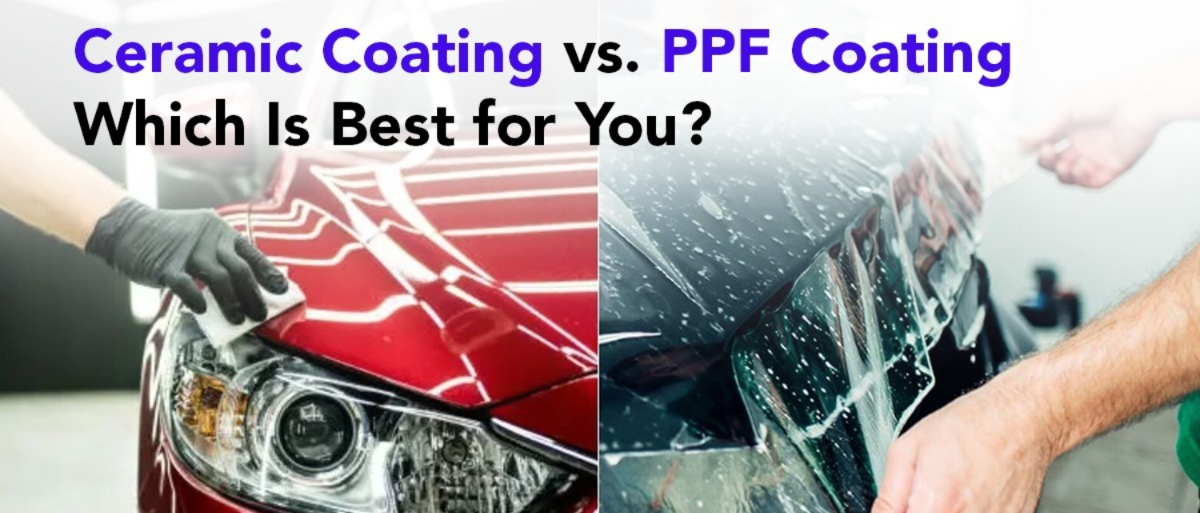
The biggest difference between ceramic coating and PPF lies in how they protect your car. Ceramic coating is a chemical shield that enhances gloss and resists UV and stains. PPF is a physical shield that protects against UV, scratches, and stone chips.
Ceramic coating feels seamless and enhances shine, while PPF focuses more on protection than appearance. Both have their strengths, and neither is a wrong choice—it depends on your needs.
CarJD.com often advises car owners to evaluate driving habits, parking conditions, and budget before deciding.
Which Option Is Better for Daily City Driving?
For cars used mainly in city conditions, where scratches are light and UV exposure is moderate, ceramic coating often provides sufficient protection.
It keeps the car looking glossy, makes cleaning easier, and protects against fading caused by daily sunlight exposure. With proper maintenance, ceramic coating can last several years.
CarJD.com recommends ceramic coating for owners who prioritize aesthetics and ease of maintenance.
Which Option Is Better for Highway and Outdoor Parking?
If your car is frequently driven on highways or parked outdoors without shade, PPF offers stronger protection. Stone chips, debris, and intense sunlight can damage paint quickly in such conditions.
PPF’s thickness and self-healing ability make it ideal for front bumpers, bonnets, mirrors, and door edges. Many car owners choose partial PPF coverage for high-impact areas.
CarJD.com helps car owners decide smart coverage strategies instead of overspending.
Can You Combine Ceramic Coating and PPF?
Yes, many car owners in 2026 choose a combination approach. PPF is applied to high-risk areas, while ceramic coating is applied on top of the PPF and on remaining painted surfaces.
This combination offers the best of both worlds—maximum protection and long-lasting gloss. CarJD.com supports this hybrid approach by helping users plan cost-effective solutions.
Maintenance Requirements in 2026
Both ceramic coating and PPF require maintenance, but it is minimal compared to unprotected paint. Regular washing with proper techniques is enough to keep them effective.
Harsh chemicals should be avoided, and professional inspections once a year help extend lifespan. CarJD.com provides maintenance reminders and care tips tailored to your protection choice.
Cost Considerations: Long-Term Value Over Short-Term Expense
Ceramic coating is generally more affordable upfront, while PPF costs more due to material and labor. However, repainting a car or correcting damaged paint costs far more.
When viewed as an investment, both options help preserve resale value and reduce future expenses. CarJD.com helps users compare costs realistically and transparently.
How CarJD.com Helps You Choose the Right Protection
CarJD.com simplifies the decision-making process by offering clear comparisons, expert insights, and trusted service recommendations.
Instead of relying on sales pitches, car owners can understand real benefits, limitations, and costs. This clarity helps you choose what truly suits your car and lifestyle.
The Future of Car Paint Protection
In 2026 and beyond, car paint protection is becoming a standard part of car ownership. As vehicles become more expensive and climates harsher, preventive care will only grow in importance.
Ceramic coatings and PPF will continue to evolve, offering better durability and eco-friendly options. CarJD.com stays updated with these trends to keep car owners informed.
Conclusion: Protect Today, Preserve Tomorrow
UV rays silently damage car paint every day. Protecting your car now means preserving its beauty, value, and pride for years to come.
Ceramic coating offers excellent UV resistance and gloss, while PPF provides unmatched physical and sun protection. The right choice depends on how and where you use your car.
With CarJD.com as your guide, choosing the right paint protection in 2026 becomes simple, informed, and stress-free.
A protected car does not just look new—it stays new.
FAQs
How long does ceramic coating last?
With proper care, modern ceramic coatings can last between 2 to 5 years depending on quality and usage.
Does PPF turn yellow over time?
High-quality PPF used in 2026 is designed with UV inhibitors that significantly reduce yellowing.
Is ceramic coating enough for harsh sunlight?
Ceramic coating offers strong UV protection, but for extreme conditions, combining it with PPF is ideal.
Can PPF be removed later?
Yes, PPF can be safely removed by professionals without damaging the original paint.
Does CarJD.com install coatings?
CarJD.com helps users find trusted professionals and guides them in choosing the right protection solution.
Because protecting your car today keeps it shining tomorrow.
Learn more about smart car care with CarJD.com.